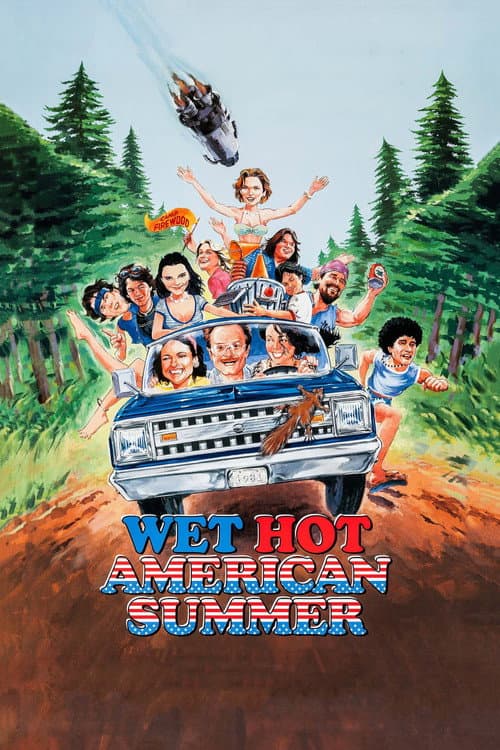
When David Wain and Michael Showalter set out to satirize the sun-drenched, hormone-fueled tropes of early 1980s summer camp movies, Hollywood greeted their vision with a collective shrug. Released quietly in the summer of 2001, Wet Hot American Summer bombed hard at the box office, recouping a fraction of its modest two-million-dollar budget and receiving lukewarm notices from mainstream critics who failed to grasp its hyper-ironic, deadpan wavelength. Yet, motion picture history is littered with visionary failures that outlive their commercial eras, and this anarchic farce eventually transcended its humble origins to become a foundational text of modern alternative comedy. For cinephiles and industry insiders alike, the film represents a fascinating turning point where traditional sketch comedy sensibilities collided with cinematic surrealism, creating a timeless blueprint for ensemble-driven chaos.
The Starmaker Incubator That Defied All Logic
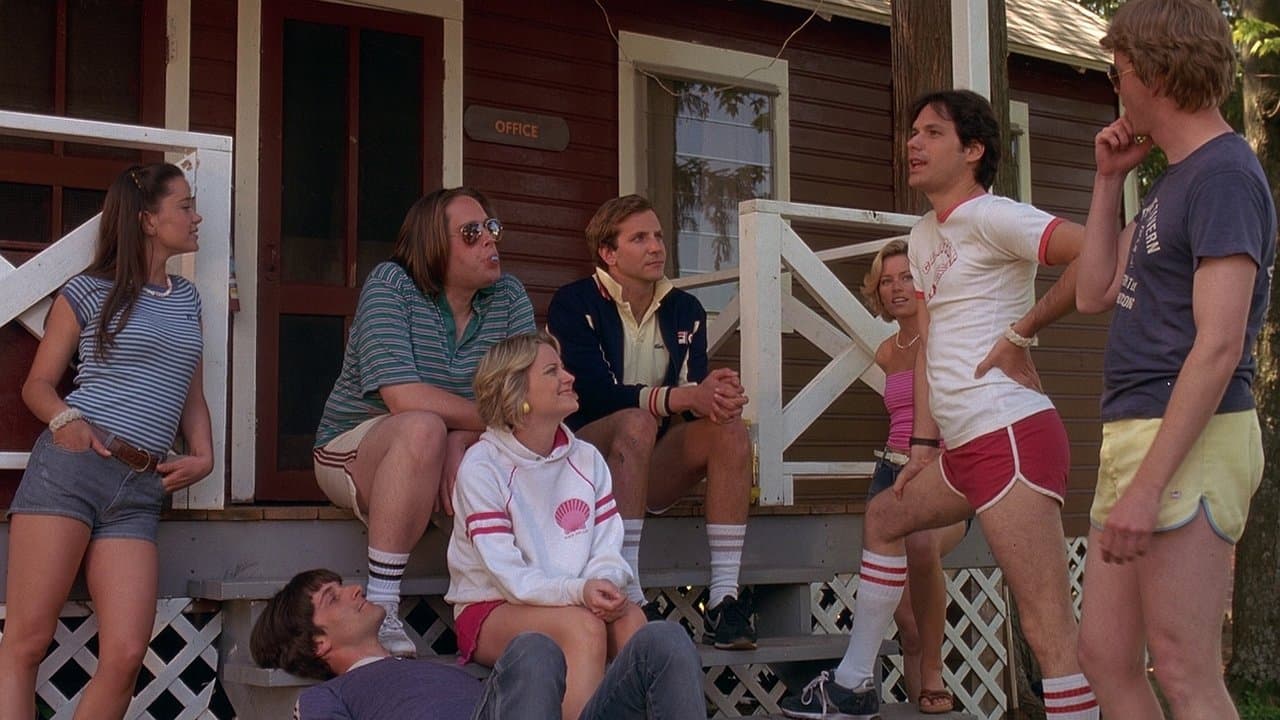
Part of the enduring fascination with Camp Firewood stems from its legendary casting roster, which reads like a time capsule of future Hollywood royalty captured right before their massive breakthroughs. At the time of production, most of the ensemble were struggling New York theater actors or members of the renowned MTV sketch troupe The State, completely unknown to mainstream moviegoers. Bradley Cooper made his feature film debut here as a neurotic counselor, playing opposite a fiercely energetic Amy Poehler and a ridiculously charismatic Paul Rudd, who perfected the quintessential slacker archetype long before anchoring major blockbusters. The production also featured future comedy heavyweights like Elizabeth Banks, Christopher Meloni, and Ken Marino, alongside established veterans such as Janeane Garofalo and David Hyde Pierce who lent instant credibility to the madness.
- Release Date: July 27, 2001 (US theatrical premiere)
- Directors & Writers: David Wain and Michael Showalter
- Key Cast: Bradley Cooper, Amy Poehler, Paul Rudd, Elizabeth Banks, Christopher Meloni
- Original Budget: Approximately $1.8 million
- Cultural Legacy: Spawned two Netflix revival series in 2015 and 2017
Absurdism, Nostalgia, and the Art of the Cinematic Parody
What separates this film from standard cinematic spoofs of the era is its utter commitment to logical inconsistency and chronological impossibility. Set entirely on the fictional final day of camp in 1981, the narrative crams an impossible amount of dramatic arcs, emotional breakdowns, and romantic trysts into a single afternoon, culminating in an absurd panic over a falling piece of NASA space debris. The humor relies heavily on the jarring visual joke of thirty-something actors playing teenage counselors with total, unyielding sincerity. There are no winks to the camera; every emotional outburst, existential crisis, and surreal musical number is delivered with the gravitas of an epic Shakespearean tragedy. This deadpan execution elevates the material above cheap parody, turning the film into a brilliant deconstruction of adolescent anxiety and summer romance tropes.
Looking back from the vantage point of contemporary streaming culture, the influence of Wet Hot American Summer is visible across a vast landscape of modern comedy, from television mockumentries to improvised web series. For international audiences and CIS film fans discovering the picture decades later through digital platforms, it offers a refreshing antidote to polished, test-marketed studio comedies. The film reminds us that true cinematic innovation often happens on the fringes, born from camaraderie, creative freedom, and a total disregard for conventional storytelling rules. If you have somehow missed the chaotic brilliance of Camp Firewood, revisiting this cult classic alongside its later Netflix continuation series provides an essential masterclass in how ensemble comedy can achieve immortality against all odds.