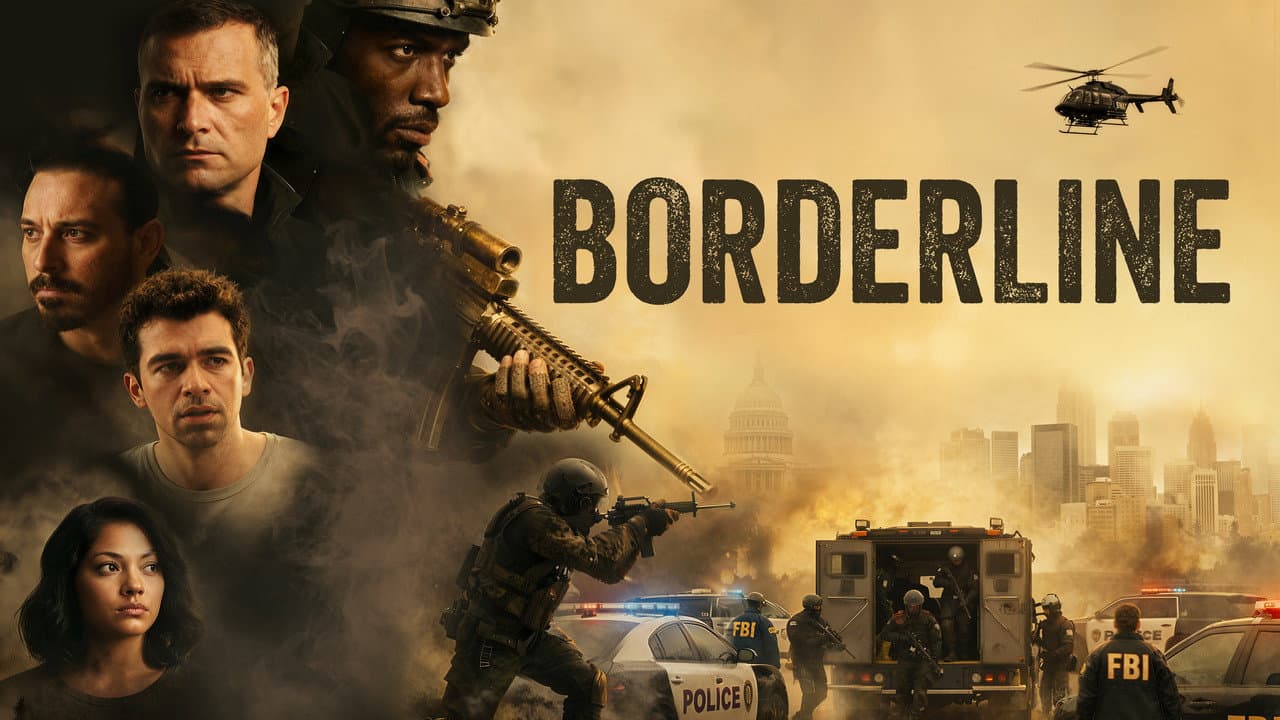
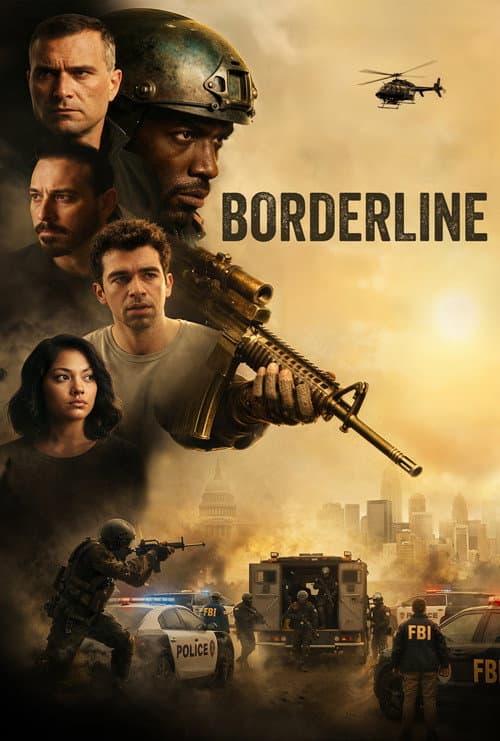
The contemporary cinematic landscape has long wrestled with how to translate modern political paranoia into compelling popcorn entertainment. When filmmakers attempt to marry high-octane action set-pieces with trenchant sociopolitical critique, the results frequently veer into heavy-handed territory or get lost in generic genre tropes. Yet, every so often, a project arrives that captures the raw, volatile anxiety of our current cultural moment with startling precision. Entering theaters amidst considerable discourse, the provocative new feature film Borderline dares to interrogate the darkest intersections of national security, electoral manipulation, and nativist rhetoric, asking audiences to confront the terrifying fragility of democratic institutions when weaponized by ideological extremists.
Anatomy of a Manufactured Crisis: The Plot Mechanics
At the narrative core of the film is an audacious, chillingly plausible conspiracy hatched not by foreign adversaries, but by rogue elements within the American security apparatus itself. Convinced of their own distorted righteousness as clandestine guardians of the nation, these operatives kidnap high-level cartel figures from south of the border and deliberately disperse them into major metropolitan hubs across the United States. The calculated objective is not merely to settle scores, but to unleash carefully calibrated criminal chaos that will directly influence upcoming democratic elections. By intentionally stoking public fears, exacerbating nativist prejudices, and engineering an atmosphere of perpetual panic, the conspirators aim to manipulate voter psychology at the ballot box. This strategy transforms ordinary neighborhoods into pawns in a grand, Machiavellian game of political chess.
As the resulting violence escalates from localized incidents into nationwide carnage, a desperate race against the clock begins. Law enforcement officials, intelligence whistleblowers, and investigative journalists find themselves entangled in a lethal web where uncovering the truth could destabilize the entire government. The picture draws heavily from the traditions of 1970s paranoid thrillers like The Parallax View and modern prestige television such as Homeland, utilizing claustrophobic framing and relentless pacing to mirror the suffocating pressure felt by its protagonists. Rather than relying on simple good-versus-evil dichotomies, the narrative positions its characters within morally grey landscapes, forcing viewers to question where genuine patriotism ends and domestic terrorism begins.
The Geopolitical and Regional Resonance for Global Audiences
For international cinephiles, including audiences across Central Asia and the wider CIS region, Borderline offers a fascinating lens through which to examine universal anxieties regarding state power and informational warfare. While the specific backdrop involves United States electoral politics and cross-border dynamics with Mexico, the thematic core explores how institutional decay and manufactured crises can be exploited by hidden actors anywhere in the world. In transitioning economies and rapidly evolving societies, the delicate balance between maintaining public security and safeguarding fundamental freedoms remains a paramount concern. The film taps into these ubiquitous anxieties, demonstrating how easily civil discourse can be hijacked by fearmongering and orchestrated instability.
- Genre: Political Thriller / Action Drama
- Core Themes: Electoral manipulation, state-sponsored chaos, nativist propaganda, institutional corruption
- Cinematic Lineage: Rooted in 1970s paranoid cinema and contemporary high-stakes procedural thrillers
- Theatrical Distribution: Currently playing in theaters nationwide with expanded international rollout pending
Ultimately, Borderline succeeds by refusing to offer easy resolutions or comforting platitudes about the resilience of democracy. It serves as both a pulse-pounding cinematic thrill ride and a cautionary tale about the weapons we allow our protectors to wield in the shadows. As word-of-mouth spreads and box-office returns begin to reflect the intense cultural debate surrounding its premise, this provocative release is bound to remain a central touchstone in discussions about the evolving role of political cinema in an increasingly polarized global landscape.