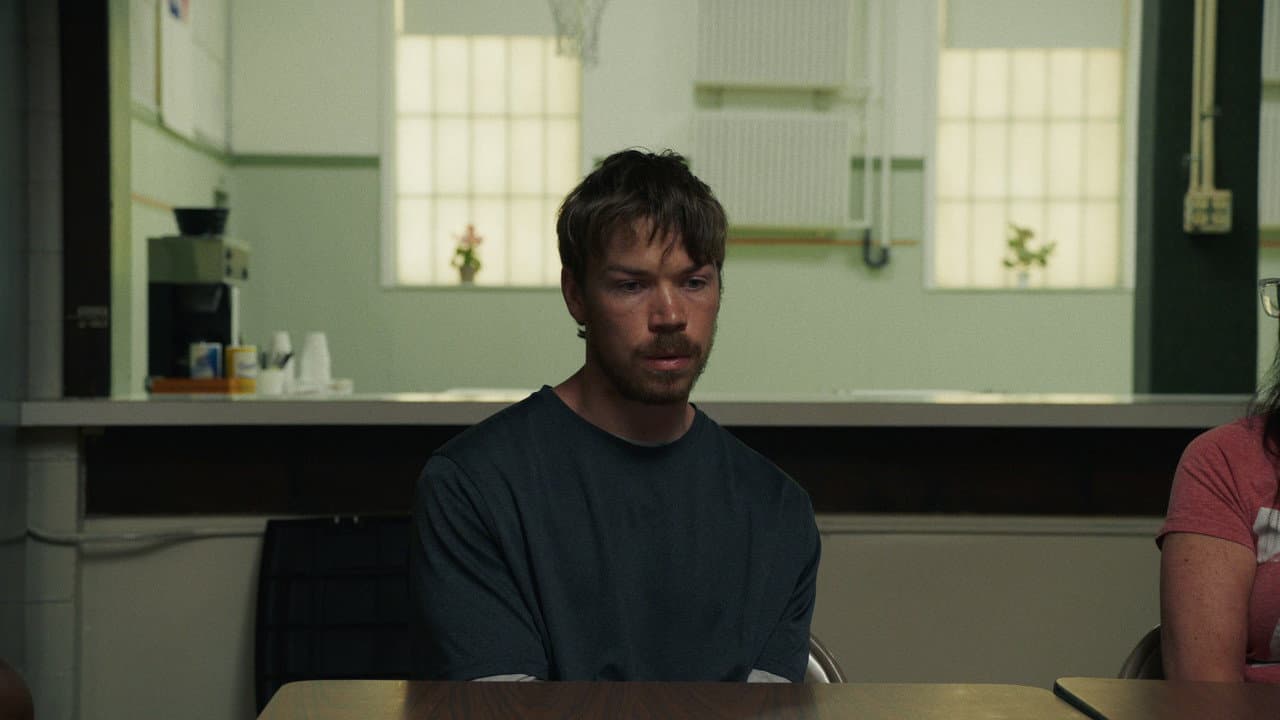

The cinematic landscape is perpetually caught in a tug-of-war between high-concept franchise escapism and the raw, unfiltered grit of social realism. In an era dominated by sprawling cinematic universes and digital spectacle, independent dramas that anchor themselves in hyper-local human suffering often serve as the conscience of the industry. Enter Union County, a forthcoming narrative feature scheduled to premiere on August 14, 2026, which directs its unblinking gaze squarely at the devastating opioid crisis ravaging rural America. By charting the tumultuous trajectory of Cody Parsons—an individual thrust into a rigorous, county-mandated drug court program—the film promises an intimate portrait of addiction, institutional bureaucracy, and the agonizing, nonlinear path toward personal redemption.
The Cinematic Weight of the Opioid Epidemic
For decades, Hollywood has grappled with substance abuse, historically oscillating between glamorous, stylized portrayals and heavy-handed cautionary tales. However, the contemporary landscape—shaped profoundly by the real-world devastation of synthetic opioids across working-class American counties—demands a different level of narrative accountability. Films like Union County do not merely entertain; they function as cinematic testimonies to systemic collapse and community resilience. The choice to center the narrative around a county-mandated drug court program is particularly astute. These specialized dockets occupy a unique, morally ambiguous space within the judicial system, operating at the intersection of punitive law enforcement and therapeutic intervention. They force audiences to confront whether institutional structures are genuinely equipped to heal the fractured lives they process, or if they simply manage the symptoms of a much deeper socio-economic malaise.
From an aesthetic standpoint, rural dramas addressing these themes often rely on visual metaphors of isolation and economic stagnation. The dilapidated landscapes of rural Ohio, where the narrative is ostensibly anchored, become characters in their own right. The oppressive quietude of small towns left behind by industrial shifts provides a stark backdrop for internal turmoil. Independent cinema has increasingly become the primary vehicle for these regional stories, bypassing studio boardrooms to finance projects that prioritize authenticity over box-office formulas. Directors working in this space understand that the horror of the opioid epidemic is not found in sensationalized overdoses alone, but in the mundane, grinding despair of daily existence, the erosion of family trust, and the Sisyphean effort required to secure and maintain sobriety in an environment saturated with triggers.
Production Context and Global Relevance for CIS Audiences
While the specific mechanics of drug courts and the pharmaceutical roots of the opioid epidemic are deeply American phenomena, the underlying human themes of alienation, economic displacement, and generational trauma possess universal resonance. For audiences across Eastern Europe, Central Asia, and the broader CIS region, narratives surrounding systemic institutional failure and the struggle for personal dignity amidst economic hardship strike a profoundly familiar chord. Post-industrial transitions, regional economic inequalities, and the quiet ravages of localized substance crises are issues that transcend national borders. When independent American cinema tackles these subjects with restraint and psychological depth, it invites international viewers to draw parallels to their own socio-cultural realities, proving that localized pain can translate into a globally understood cinematic language.
- Release Date: August 14, 2026
- Primary Setting: Rural Ohio, USA
- Core Subject: Opioid epidemic and county-mandated recovery programs
- Genre: Independent Social Drama
- Primary Themes: Redemption, institutional bureaucracy, and rural isolation
As the film industry marches toward the August 2026 release window, all eyes will be on how independent distributors position Union County in a marketplace increasingly dominated by tentpoles. Word-of-mouth festival buzz, critical reception, and strategic platform releases will dictate whether this modest drama can break through the noise and capture the cultural zeitgeist. For cinephiles and industry analysts alike, projects like this serve as a vital reminder of cinema's enduring power to bear witness to human suffering and resilience. As we await its theatrical arrival, Union County stands as a testament to the belief that stories rooted in specific, localized realities can resonate deeply across cultural divides, offering a mirror to our shared vulnerabilities.