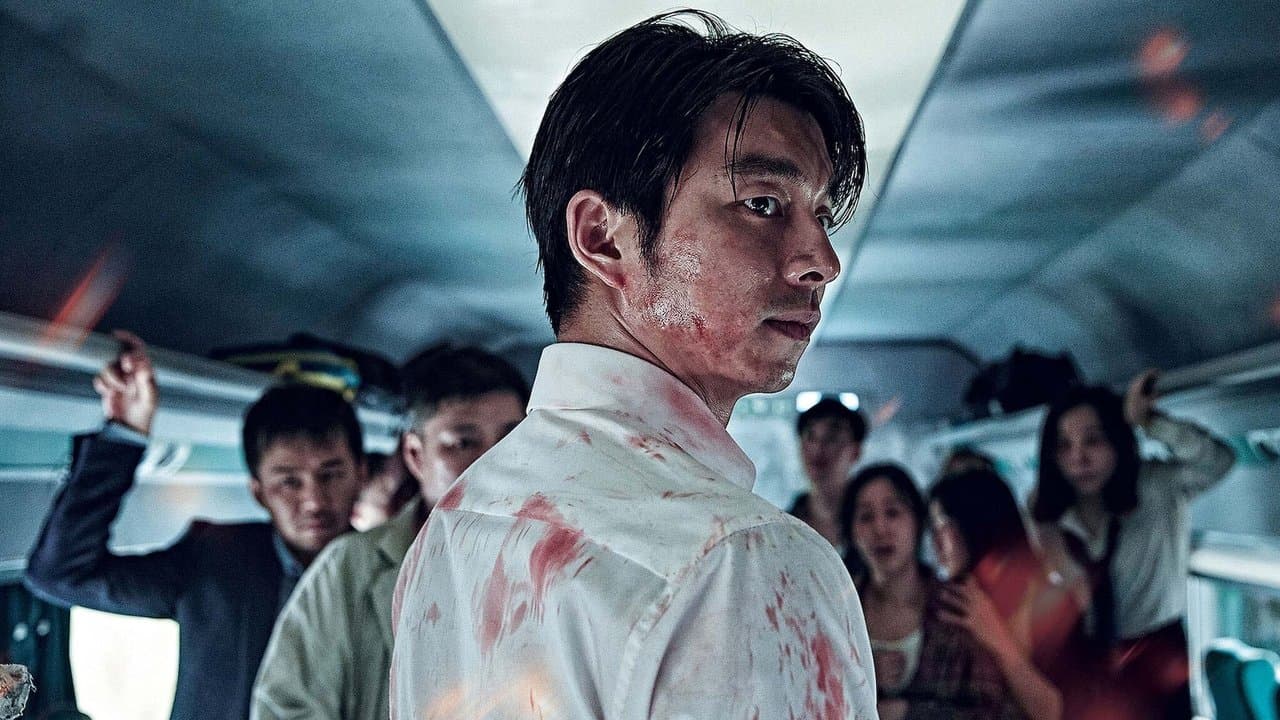

When Yeon Sang-ho’s Train to Busan pulled out of Seoul Station on July 22, 2016, it carried far more than just a fictional group of passengers fleeing a viral outbreak. It carried the ambitions of the modern South Korean film industry onto the international stage, proving that genre cinema from Asia could match, and often surpass, Hollywood blockbusters in both visceral thrills and emotional resonance. Up until this point, the cinematic undead had been thoroughly explored by Western franchises like The Walking Dead and Zack Snyder’s Dawn of the Dead remake. Yet, by locking his characters inside the narrow, vibrating compartments of a KTX bullet train, Yeon created a brilliantly suffocating pressure cooker. The premise was deceptively simple, but the execution elevated standard B-movie horror into a stinging critique of modern capitalist indifference, generational conflict, and human selfishness.
The Anatomy of a High-Speed Masterpiece
What truly separated Train to Busan from its contemporary genre peers was its acute focus on character dynamics and social hierarchy. The narrative follows Seok-woo, a detached, workaholic fund manager played with nuanced moral ambiguity by Gong Yoo, who boards the train to Busan to drop his estranged daughter Su-an off with her mother. As the infection spreads rapidly across the country, transforming hosts into hyper-aggressive, sprinting predators within seconds, the train transforms into a microcosm of South Korean society. We witness the spectrum of human behavior through a diverse ensemble: selfless high school baseball players, a devoted expectant father fighting with raw physical power played by Ma Dong-seok, and a deeply cynical corporate executive who represents the toxic self-preservation of the upper classes.
Director Yeon Sang-ho, transitioning from critically acclaimed gritty animated features like The King of Pigs and Seoul Station, utilized CGI not as a crutch, but as a seamless enhancement to practical stunt work. The choreography of the infected was ferocious and jarringly fast-paced, breaking away from the traditional lumbering zombie tropes popularized by George A. Romero. Instead of rotting corpses, these creatures moved with terrifying kinetic energy, creating staggering piles of bodies that blocked corridors and piled over station platforms. For audiences in Central Asian and CIS markets, where high-concept international thrillers frequently battle for theatrical space against Hollywood dominance, the film arrived as a refreshing jolt of pure cinematic adrenaline that relied on universal human stakes rather than bloated franchise lore.
Global Legacy and Cultural Resonance
The cultural shockwaves of the film extended far beyond domestic box office records, where it shattered admissions milestones by drawing over 11 million viewers. It became an international sensation, dominating midnight screenings at the Cannes Film Festival and proving to global distributors that South Korean genre filmmaking possessed immense commercial viability. In CIS territories, the film found a passionate cult following on streaming platforms and late-night television, paving the way for the broader Hallyu (Korean Wave) boom that would later bring international phenomena like Parasite and Squid Game to mainstream prominence. The film's core tragedy lies not merely in the threat of the infected, but in how quickly ordinary people turn against one another when institutional safety nets collapse—a theme that resonated profoundly with viewers across post-Soviet nations familiar with systemic economic and social transitions.
- Director: Yeon Sang-ho
- Leading Cast: Gong Yoo, Ma Dong-seok, Jung Yu-mi, Kim Su-an
- Box Office Gross: Over $98 million worldwide
- Original Theatrical Release Date: July 22, 2016
As we look back at the enduring legacy of Train to Busan nearly a decade later, its influence on contemporary horror remains undeniable. It proved that blockbuster cinema could possess a beating heart and a sharp political conscience without sacrificing a single ounce of pulse-pounding entertainment. For fans craving similar high-octane survival narratives, exploring Yeon Sang-ho's animated prequel Seoul Station or diving into period political-horror series like Kingdom is the logical next step. Train to Busan stands tall as a modern classic that permanently altered the global cinematic landscape, reminding us that the greatest monsters are often the ones sitting right across the aisle.