As international cinema increasingly turns its lens toward the friction between global capital and regional sovereignty, the announcement of The Fence—slated for release on August 7, 2026—marks a compelling entry into the genre of post-colonial corporate thrillers. Set against the sun-bleached expanse of a sprawling public works compound in West Africa, the film transforms a modern industrial infrastructure project into a pressure cooker of moral reckonings, guilt, and existential dread. For audiences in Central Asia and across the CIS region, where large-scale foreign investments and closed industrial sites are an increasingly familiar economic reality, this narrative carries a poignant, universally recognizable resonance that transcends its immediate West African setting.
An Anatomy of Enclosure, Imperial Decay, and Unspoken Guilt
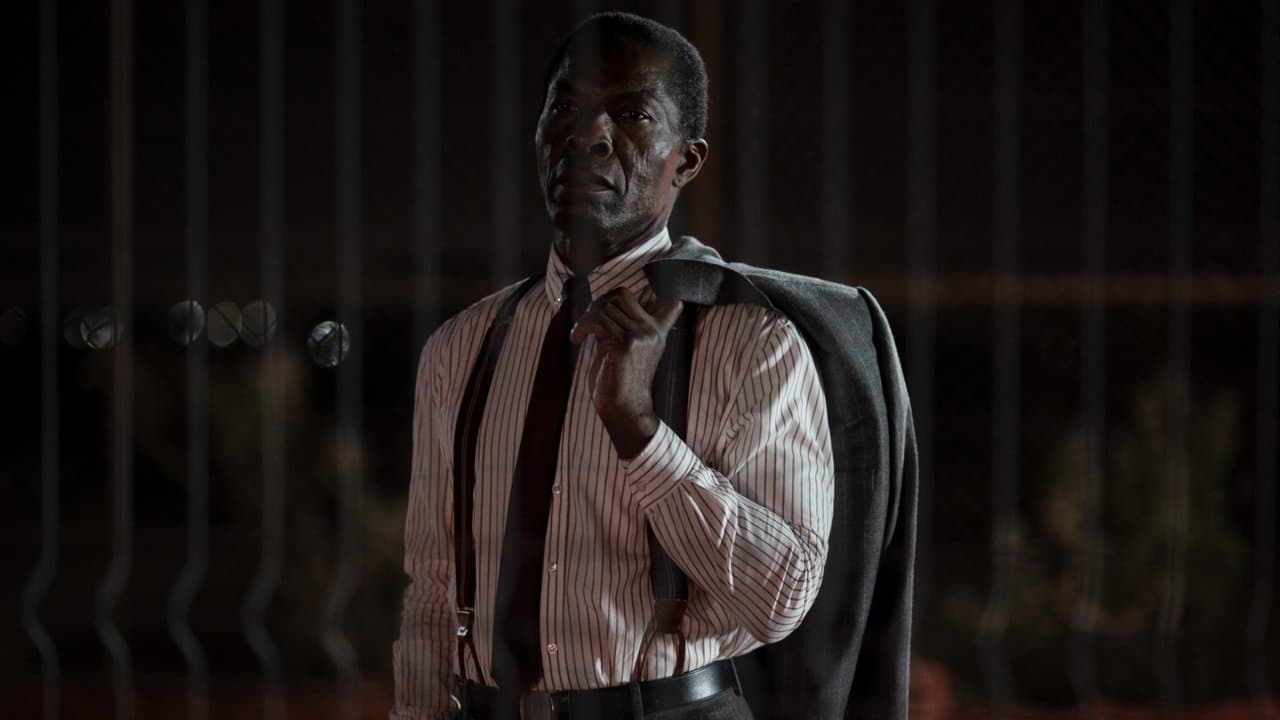
At the center of The Fence are Horn, an aging, pragmatic construction manager overseeing a massive foreign-backed public project, and Cal, a younger, emotionally volatile engineer. Their secluded lives behind the high fences of the corporate compound are upended when Horn’s new bride, Leone, arrives on the same evening that a mysterious local man named Alboury appears at the perimeter gate. Alboury is not a protester or an insurgent; he is a mourning brother demanding a simple, unyielding act of justice: the return of his brother’s body after a fatal tragedy on the construction site. The premise explicitly echoes the haunting dramatic architecture of Bernard-Marie Koltès' classic 1985 theatrical work Struggle of the Black and the Dogs, modernizing its sharp critique of industrial encroachment and corporate opacity.
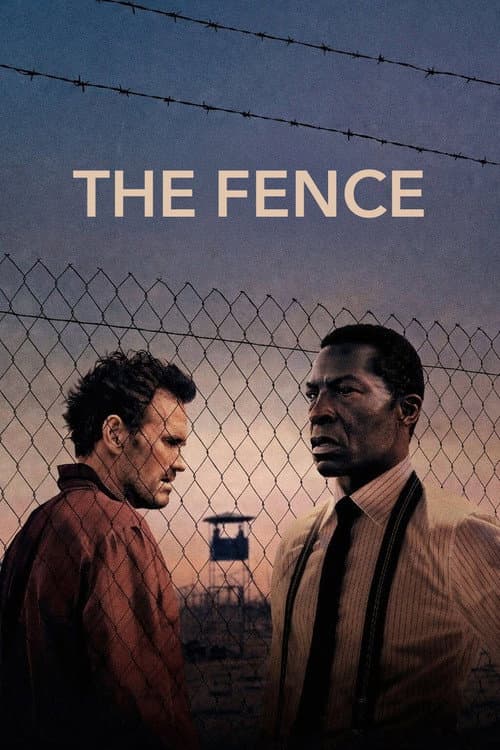
The physical fence of the film's title serves as both a literal security barrier and a potent psychological metaphor. Inside the perimeter, the foreign directors attempt to maintain a fragile illusion of order, domesticity, and technocratic superiority. Outside, the vast surrounding landscape represents an erased workforce whose sacrifices remain unacknowledged by corporate balance sheets. When Alboury stands motionless at the perimeter, refusing money or empty platitudes, his presence shatters the insulated routines of the compound. The narrative expertly deconstructs how industrial enterprises often treat human lives as collateral damage, hiding operational negligence behind corporate secrecy and physical barriers.
Resonance Across Borders: Why Central Asian Audiences Should Pay Attention
While the story is set in West Africa, its core thematic conflicts carry profound relevance for viewers in Uzbekistan, Kazakhstan, and the wider CIS territory. Across Central Asia, the rapid acceleration of massive industrial corridors, mining enclaves, and international transport projects has created specialized economic zones that often operate isolated from regional communities. The dynamic between foreign engineering management and local labor forces portrayed in The Fence mirrors contemporary discussions around labor rights, workplace transparency, and safety within developing economies undergoing rapid modernization.
Furthermore, the character of Leone—an outsider entering a claustrophobic, hyper-masculine industrial outpost—provides an essential audience surrogate. Through her eyes, the normalized systemic cruelties of the site management become glaringly unendurable. The film pushes viewers to question what happens when progress is measured strictly in concrete, steel, and quarterly milestones, while human dignity is cordoned off behind security gates.
Production Context, Critical Signals, and Key Details
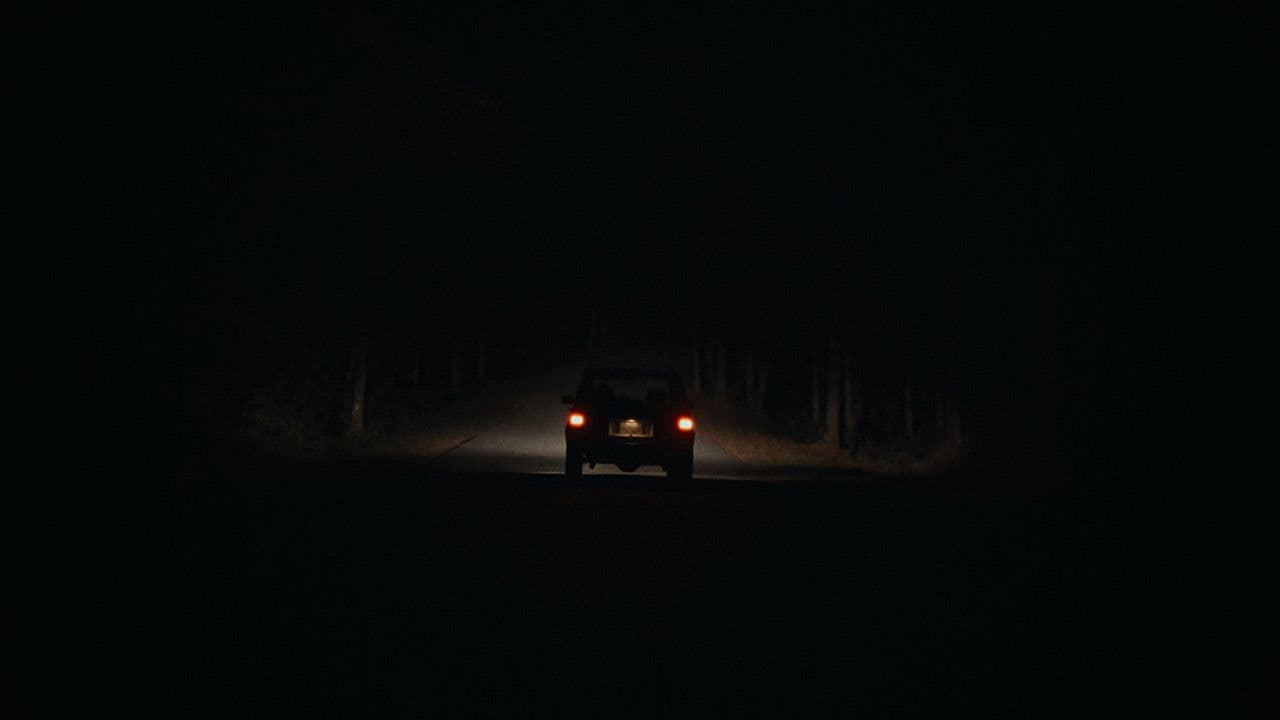
Early industry tracking and preview metrics reflect a divided initial response, evidenced by an early TMDB score of 5.5/10. Rather than indicating poor technical execution, this polarization often signals an uncompromising, slow-burn theatrical style that rejects conventional Hollywood action tropes in favor of tense, dialogue-driven confrontation. The cinematography emphasizes the stifling atmosphere of dusty administrative barracks juxtaposed with the unforgiving vastness of the surrounding territory.
- Title: The Fence
- Global Release Date: August 7, 2026
- Primary Genre: Drama / Social Thriller
- Key Characters: Horn (Site Manager), Cal (Engineer), Leone (Bride), Alboury (Mourning Brother)
- Core Themes: Corporate accountability, labor dignity, industrial enclaves
As the August 2026 premiere approaches, The Fence stands out as a crucial piece of cinema for viewers seeking sharp social commentary embedded within a tight, atmospheric narrative. Film enthusiasts interested in politically engaged world cinema should add this project to their watchlists, as it promises to spark vital conversations regarding corporate ethics and human rights across global frontiers.