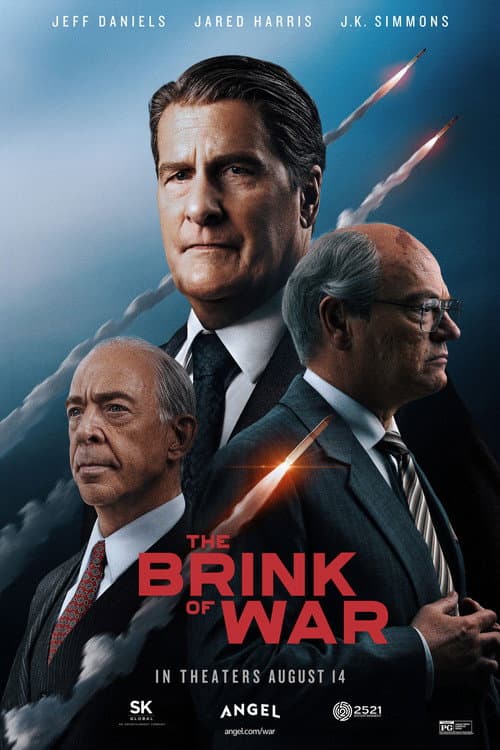
Hollywood has long harbored a fascination with the precipice of global catastrophe, frequently mining the Cold War for cinematic gold. Yet, few periods in late-twentieth-century history carry the palpable, sweat-inducing tension of the mid-1980s, when superpower relations seesawed wildly between mutual assured destruction and historic detente. Enter The Brink of War, a forthcoming political thriller slated for theatrical release on August 14, 2026. Directed at capturing the claustrophobic atmosphere of backroom diplomacy, the project centers on the frantic efforts of U.S. President Ronald Reagan and Soviet General Secretary Mikhail Gorbachev to hammer out sweeping nuclear disarmament treaties while facing intense internal political crossfire from hardliners on both sides of the Iron Curtain.
Diplomacy as a Thriller: Deconstructing the Reagan-Gorbachev Dynamic
For modern audiences accustomed to fast-paced superhero blockbusters, the notion of two aging statesmen sitting across a mahogany table arguing over throw-weights and ballistic missile trajectories might sound inherently dry. However, master filmmakers have repeatedly proven that intellectual chess matches can out-thrill traditional action set pieces. Think of classic political dramas like Thirteen Days or Bridge of Spies, where the real ammunition was rhetoric, bluff, and split-second diplomatic intuition. The historical reality of the Reagan and Gorbachev summits—particularly the pivotal 1986 Reykjavik Summit—provided enough dramatic friction to fuel a dozen suspense films. Both leaders were paradoxically positioned: Reagan was a staunch anti-communist ideologue who genuinely dreamed of a world entirely free of nuclear weapons, while Gorbachev was a reformer desperately trying to modernize a collapsing Soviet economy without losing superpower status.
The creative team behind The Brink of War faces a formidable challenge in balancing historical accuracy with cinematic propulsion. In an era where geopolitical tensions are once again dominating global headlines, the psychological resonance of this narrative cannot be overstated. For viewers across Eastern Europe and Central Asia—regions that lived in the literal and figurative shadow of the Soviet nuclear umbrella—the legacy of the arms race is far from an abstract history lesson. The film promises to peer behind closed doors, dramatizing the exhaustion, paranoia, and sudden flashes of pragmatic empathy that characterized the final act of the Cold War. As studio executives position the project for late-summer prestige consideration, anticipation is building to see how contemporary screenwriters translate the complex nuclear doctrines of SDI and intermediate-range missiles into gripping cinematic stakes.
Production Scale and Historical Context for Global Audiences
Recreating the corridors of power in Washington and Moscow requires meticulous production design, capturing the distinct aesthetic of late-1980s bureaucracy, bulky telecommunications, and high-security summit settings. While blockbuster visual effects usually dominate August box offices, The Brink of War relies heavily on atmosphere, pacing, and powerhouse performances to captivate ticket-buyers. The official trailer already signals an aesthetic commitment to gritty realism, utilizing muted color palettes and tight framing to emphasize the immense weight resting on presidential shoulders.
- Release Date: August 14, 2026
- Primary Focus: U.S.-Soviet nuclear disarmament negotiations
- Key Historical Figures: Ronald Reagan and Mikhail Gorbachev
- Core Themes: Political pressure, diplomatic brinkmanship, historical turning points
- Target Audience: Fans of historical dramas, political thrillers, and prestige cinema
As the cinematic landscape continues to evolve in 2026, original mid-budget dramas targeted at mature audiences have to fight harder than ever for theatrical real estate against sprawling intellectual properties. Projects like The Brink of War serve as an essential litmus test for whether complex political history can still command mainstream box office attention. By framing international diplomacy as a high-octane race against the clock, the filmmakers are betting that audiences are hungry for stories where the heroes wield pens and policy memos rather than laser guns and capes. Whether the film ultimately achieves its ambitious dramatic heights remains to be seen, but its arrival on the release calendar ensures that the ghosts of the Cold War will once again loom large on the silver screen.