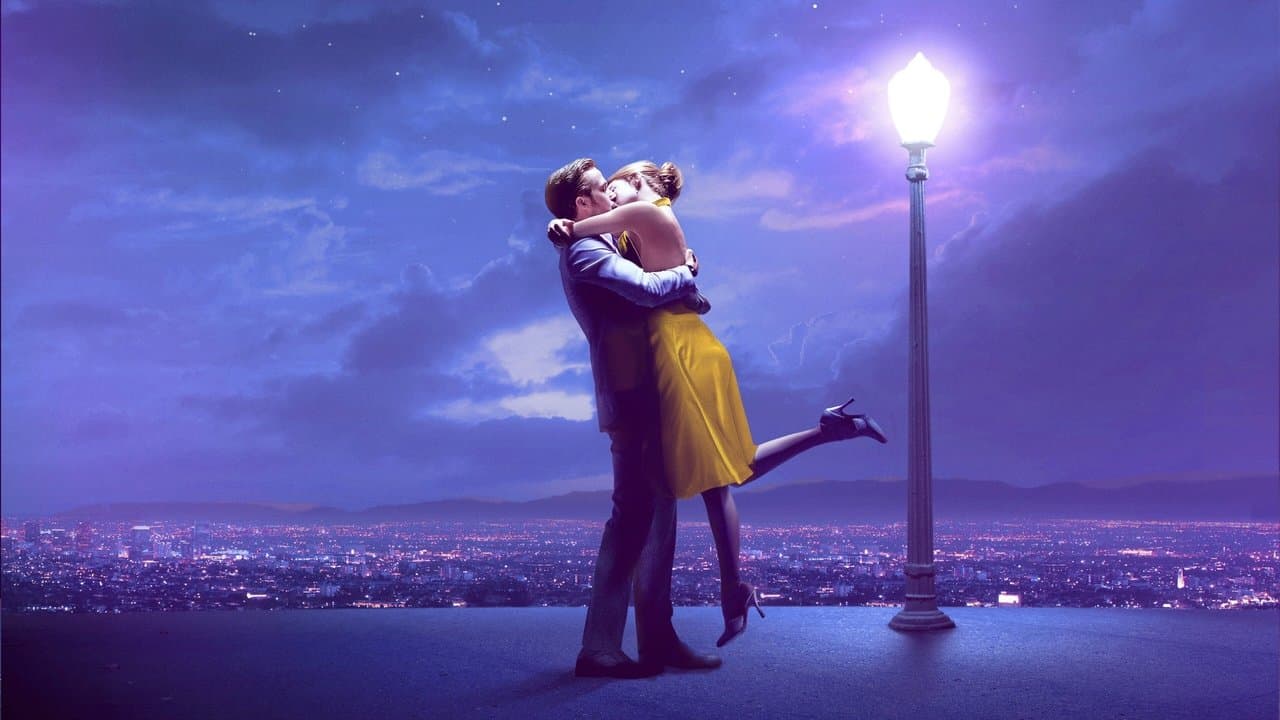
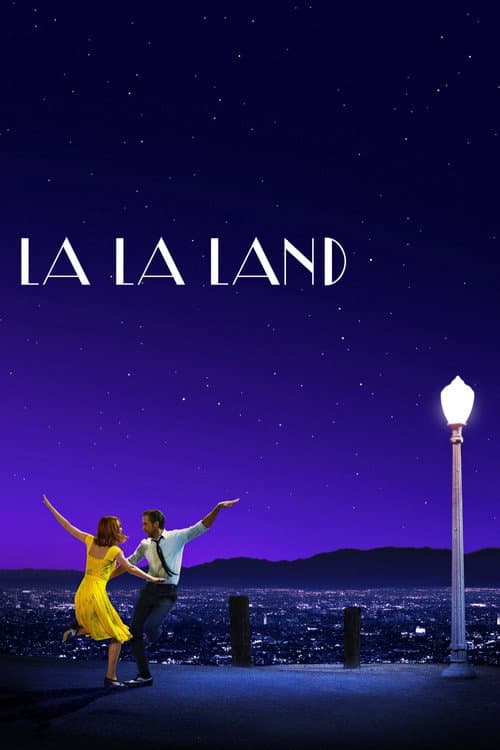
When Damien Chazelle unleashed his neon-drenched, melancholic love letter to Los Angeles upon the world, few anticipated the cultural seismic shift it would trigger. Arriving in late 2016, a time when franchise fatigue and gritty reboots dominated the cinematic landscape, La La Land felt simultaneously impossibly old-fashioned and startlingly modern. It was a gamble by a young director whose previous breakout hit, Whiplash, was an intense, sweat-soaked psychological drama about jazz drumming. Yet, Chazelle pivoted from the claustrophobic confines of a conservatory practice room to the sun-baked, gridlocked highways of Hollywood, crafting a lush musical about the high cost of artistic ambition. The film immediately captured the zeitgeist, dividing critics and enrapturing audiences with its intoxicating blend of classic Hollywood pastiche and contemporary cynicism, eventually culminating in one of the most memorable nights in Academy Awards history.
The Anatomy of Nostalgia: How Old Hollywood Meets Modern Realities
At its core, La La Land is built upon a delicate architectural framework that honors the legendary MGM musicals of the 1950s—think An American in Paris or The Umbrellas of Cherbourg—while injecting a dose of harsh, contemporary realism. Emma Stone plays Mia, a barista on a studio lot perpetually dashing between demoralizing auditions, while Ryan Gosling portrays Sebastian, a purist jazz pianist stubbornly trying to keep a dying musical tradition alive in dingy, indifferent cocktail lounges. Their romance blossoms against a backdrop of cinematic iconography, transformed by cinematographer Linus Sandres' sweeping camera movements and vivid primary color palettes. However, unlike traditional fairy tales where love conquers all, Chazelle and his collaborators subvert genre expectations. The magical dance numbers under the planetarium stars and soaring romantic flights eventually crash against the hard reality of professional success. As Mia lands her breakout acting role and Sebastian compromises his artistic integrity for a stable touring gig with John Legend's character, they realize that achieving their lifelong dreams requires the painful sacrifice of each other.
This bittersweet thesis resonates deeply not just in Hollywood, but globally, striking a chord with creative minds from Tashkent to Tokyo who understand the grinding compromise between survival and passion. The musical numbers function not merely as escapist fantasy, but as emotional externalizations of inner longing and regret. Justin Hurwitz's transcendent score, anchored by the hauntingly melancholic theme City of Stars, became an instant global anthem, proving that audiences were starving for original melodies that carried genuine emotional weight. The film's production design brilliantly contrasts the garish, synthetic pinks and blues of modern Los Angeles with the timeless architecture of classic theaters and jazz dens, creating a dreamscape that feels both accessible and heartbreakingly out of reach.
Legacy and Cultural Resonance Across Global Cinema Markets
In the years following its theatrical rollout, La La Land has evolved past the initial award-season frenzy and the infamous Oscar envelope mishap to occupy a unique place in contemporary pop culture. It established Ryan Gosling and Emma Stone as one of the definitive screen duos of the twenty-first century, echoing the legendary chemistry of past cinematic pairings like Spencer Tracy and Katharine Hepburn or Fred Astaire and Ginger Rogers. For film industries across the CIS and Central Asian regions, the movie serves as a masterclass in how regional specificity can merge with universal emotional themes. Independent filmmakers and urban audiences alike found inspiration in its uncompromising aesthetic vision and its unflinching honesty regarding the loneliness of the creative struggle. The film sparked a renewed global interest in original cinematic musicals, even if few subsequent projects managed to capture its lightning-in-a-bottle alchemy.
- Director: Damien Chazelle
- Key Cast: Ryan Gosling, Emma Stone, John Legend, J.K. Simmons
- Cinematography: Linus Sandgren
- Music / Score: Justin Hurwitz
- Global Accolades: Record-tying 14 Oscar nominations, 6 Academy Awards wins
As we look back at the cultural footprint of La La Land, its concluding montage—a breathtaking, ten-minute sequence depicting the parallel universe where Mia and Sebastian stayed together—remains one of the most devastatingly effective finales in modern cinema. It poses a profound question: was the pursuit of greatness worth the loss of true love? There are no easy answers, which is precisely why viewers continue to return to its vibrant streets and melancholic melodies. For those looking to recapture that specific brand of cinematic magic, exploring Damien Chazelle's subsequent historical epic Babylon or diving back into the classic French and American musicals that inspired it provides a wonderful cinematic journey into the eternal tension between art and life.