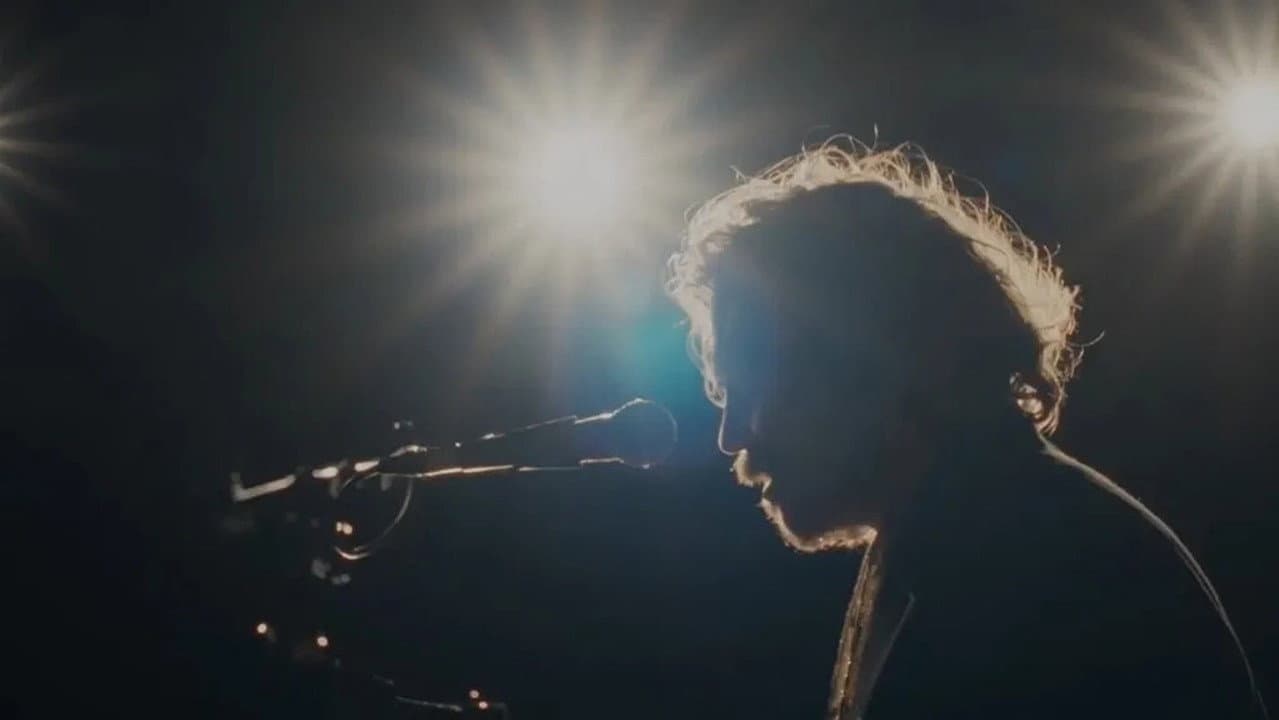

When the global entertainment landscape shifts toward August 14, 2026, audiences will bear witness to a very specific kind of cinematic heartbreak and healing in the upcoming drama Elijah Peel. The premise introduces us to a titanic figure of modern music—a stadium-filling rock icon whose gravitational pull is matched only by the destructive gravity of his own vices. Plunged into a near-death crisis following a severe heart attack brought on by relentless substance abuse, this larger-than-life performer is forced off the stage and into the suffocating quiet of forced rehabilitation. Yet, what makes this upcoming feature compelling to film critics and industry watchers alike is not merely the descent into addiction, but the peculiar, transcendent vehicle of salvation that follows. Through an unlikely connection with an exceptionally wise young girl possessing unshakable faith, the hardened musician begins a tortuous, beautiful climb back toward humanity, artistic integrity, and spiritual reconciliation.
The Anatomy of the Fallen Idol on Screen
Cinema has long possessed an almost obsessive fascination with the cracked facades of musical genius. From the classic iterations of A Star Is Born to modern masterpieces like Sound of Metal, filmmakers continually return to the archetype of the musician whose gift is simultaneously their curse. Elijah Peel fits squarely into this prestigious, emotionally grueling lineage. In the tradition of great screen dramas, the stadium tour acts as a gilded cage. Deafening applause, blinding pyrotechnics, and the endless roar of thousands serve as anesthesia, numbing the protagonist to a profound internal emptiness. When the physical body finally rebels—signaling cardiac arrest—the illusion of invulnerability shatters instantly. This narrative turning point is a masterclass in dramatic stripping; it isolates a deity of stadium rock and renders him utterly helpless in a sterile hospital room. For international audiences, particularly across the CIS region where dramatic storytelling deeply values existential soul-searching and moral reckoning, the narrative offers a resonant examination of what remains when the applause finally fades to silence.
What distinguishes Elijah Peel from standard cautionary tales of rock-and-roll excess is the introduction of its catalytic secondary character. Rather than relying on the traditional tropes of a romantic partner or a hardened veteran manager to guide the protagonist back to the light, the film employs an innocent yet profoundly wise child. This narrative device carries deep roots in world cinema and folklore—the holy fool or the innocent angel who pierces through the cynical armor of a weary adult. The dynamic forces the rock star to confront his moral bankruptcy not through lecture or punishment, but through the disarming power of radical hope and unconditional grace. As the official promotional materials and early trailers suggest, the stylistic execution relies heavily on intimate framing, contrasting the cavernous, impersonal emptiness of empty arenas with the warm, sunlit spaces where their unexpected bond slowly takes root.
- Project Title: Elijah Peel
- Scheduled Theatrical Release: August 14, 2026
- Primary Genres: Music, Drama
- Core Themes: Addiction recovery, spiritual awakening, unlikely mentorship, reconciliation
Relevance for Global Audiences and Regional Cinema Culture
As the cinematic market continues to globalize, stories that transcend cultural specifics while tapping into universal human vulnerabilities consistently find passionate audiences. In Central Asia and the broader post-Soviet space, the archetype of the tormented artist holds a revered place in cultural consciousness, echoing the profound emotional depth found in classic literature and regional poetic traditions. The struggle between external glory and internal spiritual poverty is a theme that resonates across borders, making the journey of Elijah Peel an exportable emotional commodity. Viewers in Tashkent, Almaty, and beyond are increasingly attuned to high-production-value dramas that do not shy away from the darker aspects of human nature while ultimately offering a profound message of hope and personal redemption.
Ultimately, the success of Elijah Peel when it reaches theaters in late summer 2026 will hinge upon the authenticity of its emotional core. In an era dominated by franchise blockbusters and algorithmic spectacle, a grounded character-driven drama about a broken human being finding light in the unlikeliest of places feels both refreshing and necessary. Film enthusiasts and casual moviegoers alike will be watching closely to see if the execution matches the immense dramatic promise of its premise. As we approach its premiere date, this project stands as a reminder of cinema's unique power to heal, challenge, and inspire through shared emotional catharsis.