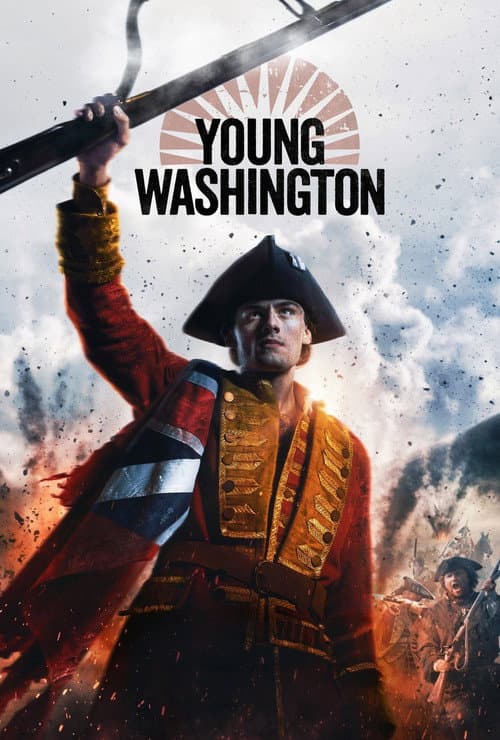
Hollywood has spent over a century mythologizing its founding figures, frequently casting them as marble statues rather than living, breathing men plagued by doubt, ambition, and fear. Yet, the upcoming historical drama Young Washington, scheduled to hit theaters on July 3, 2026, aims to tear down those dusty portraits. Instead of focusing on the stately general crossing the Delaware or the wise statesman presiding over Philadelphia, the film plunges audiences into the humid, unforgiving wilderness of the mid-18th century. Here, a twenty-something Washington is not yet a legend, but a desperate, untested provincial officer trying to navigate imperial rivalries, treacherous indigenous alliances, and his own catastrophic military mistakes that inadvertently helped spark a global war.
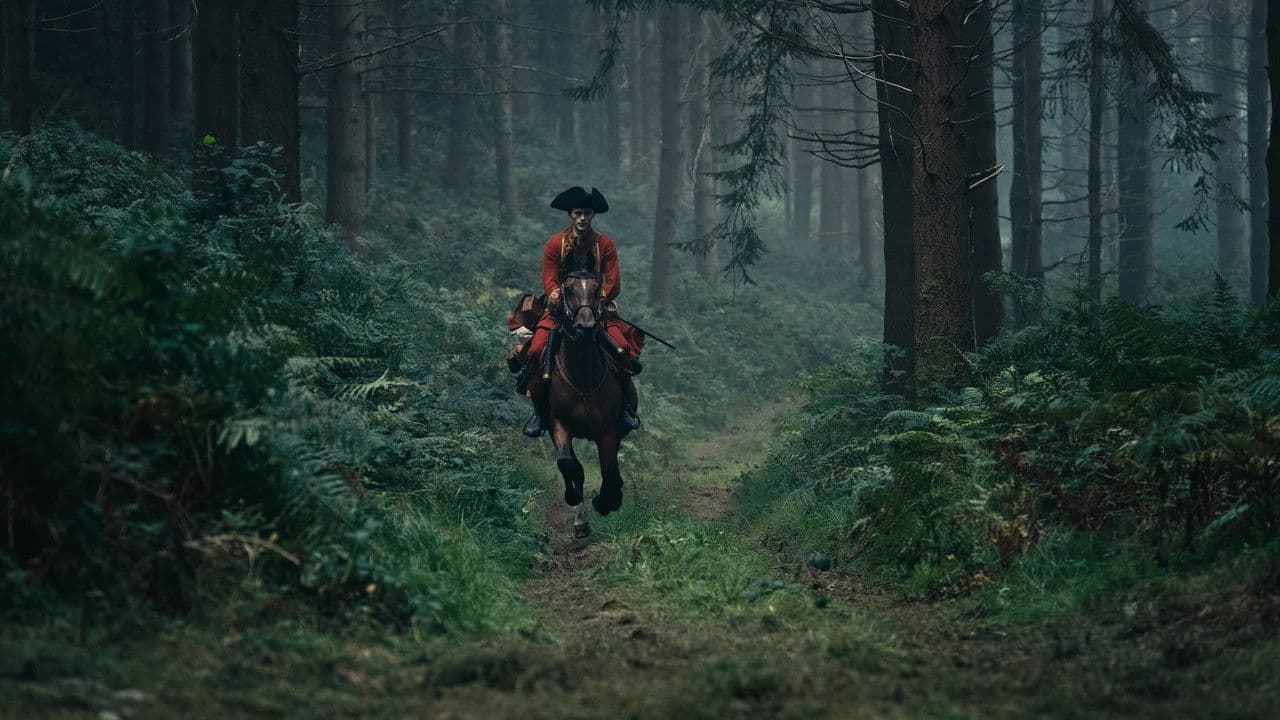
For cinephiles and history enthusiasts alike, this project arrives at a fascinating cultural juncture. Over the past decade, prestige historical cinema has shifted away from grandiose, patriotic pageantry toward psychological realism and geopolitical grit. Directors and studios have realized that modern audiences connect more deeply with vulnerability and moral compromise than with infallible heroism. By framing the Seven Years' War—historically known in North America as the French and Indian War—as a sprawling, messy geopolitical chessboard, the filmmakers are positioning Washington not as an inevitable conqueror, but as an accidental catalyst of empire. The visual language of the official trailer heavily leans into this gritty aesthetic, trading bright colonial uniforms for mud-stained coats, flickering campfire light, and tense, claustrophobic negotiations in dense forests.
Deconstructing the Myth: Historical Epics in the 2020s
The cinematic lineage of Young Washington traces back through a storied tradition of biographical and military epics, yet it attempts to avoid the sanitized patriotism that plagued mid-20th-century studio pictures. In recent years, audiences have grown accustomed to morally ambiguous period pieces that question the foundations of state power. When studios greenlight multi-million-dollar historical dramas today, they face immense pressure to balance historical accuracy with contemporary thematic resonance. The script reportedly focuses heavily on the young officer's psychological transformation, highlighting how early failures in leadership forged a hardened, emotionally distant commander capable of holding a fragile revolution together decades later.
Moreover, the production logistics behind a sweeping 18th-century war drama are staggering. Recreating the Ohio River Valley of the 1750s requires meticulous art direction, authentic costume design, and a careful depiction of the complex Native American nations whose lands were being contested by British and French empires. Industry analysts note that historical dramas have struggled at the global box office in recent years unless they offer a distinct auteurist vision or visceral action set pieces. By marketing the feature as a high-stakes survival thriller wrapped in historical context, the studio is clearly trying to capture the attention of younger demographics who typically bypass traditional costume dramas.
What to Expect from the July 2026 Release Window
Landing a lucrative early-July release slot is a bold statement of confidence from the studio. Traditionally reserved for high-octane superhero blockbusters and popcorn franchises, the Independence Day weekend is prime theatrical real estate. By planting a historical drama squarely in the middle of summer blockbuster season, distributors are betting that counter-programming can capture audiences weary of CGI spectacles and looking for grounded, dramatic storytelling with high production values.
- Release Date: July 3, 2026
- Primary Genre: Historical Drama / War
- Central Focus: The pre-revolutionary military career of George Washington
- Thematic Elements: Imperial conflict, shifting alliances, psychological evolution
As the promotional campaign ramps up over the coming months, film critics and historians will undoubtedly scrutinize every frame for historical fidelity and political subtext. Whether the film ultimately achieves its grand cinematic ambitions remains to be seen, but the sheer audacity of recasting a beloved national icon as a conflicted, stressed-out junior officer guarantees intense public debate. As we approach the summer of 2026, Young Washington stands as one of the most intriguing gambles in contemporary studio filmmaking, reminding us that every legendary leader begins as someone desperately trying to survive their own mistakes.