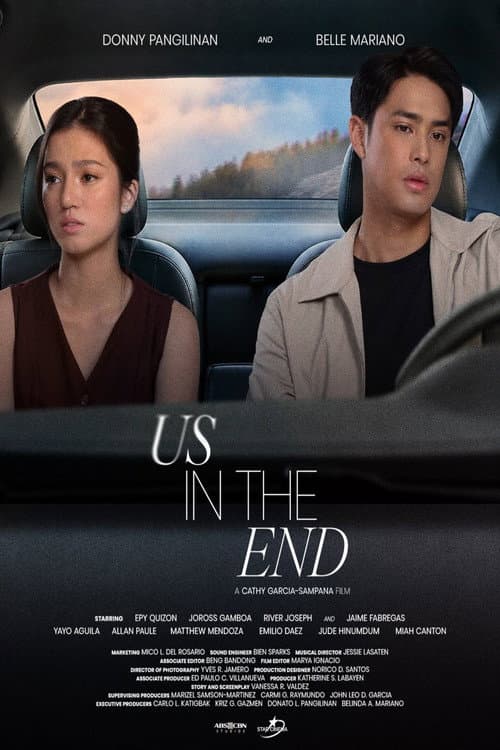
The cinematic calendar for the summer of 2026 is rapidly taking shape, and while blockbusters usually dominate the mid-year conversation, quieter emotional terrain is carving out its own space. Scheduled to hit screens on June 12, 2026, Us in the End has quietly emerged as one of the most closely monitored romantic dramas in development. In an era dominated by sprawling superhero franchises and high-concept sci-fi epics, the decision to launch a grounded, character-driven exploration of a turbulent relationship right at the start of the summer blockbuster season is a bold programming choice. It signals that studios still believe in the enduring pulling power of intimate emotional storytelling, prompting industry insiders to ask whether this project can replicate the box-office resilience of past adult-skewing relationship dramas.
Navigating the Anatomy of a Modern Cinematic Romance
Modern romance on film has undergone a significant evolution over the past decade. Gone are the days of frictionless meet-cutes and predictable formulaic resolutions; contemporary audiences demand psychological realism, messy compromises, and emotional authenticity. Us in the End appears to position itself squarely within this new wave of unfiltered relationship storytelling. The narrative blueprint focuses on the friction points of long-term intimacy—the unspoken resentments, the gradual drift, and the painful process of trying to salvage something that may already be fractured beyond repair. For film critics and drama enthusiasts, the core appeal lies in the execution of these familiar emotional beats. The creative team faces the challenge of avoiding melodrama while keeping the stakes high enough to sustain audience engagement across a feature-length runtime.
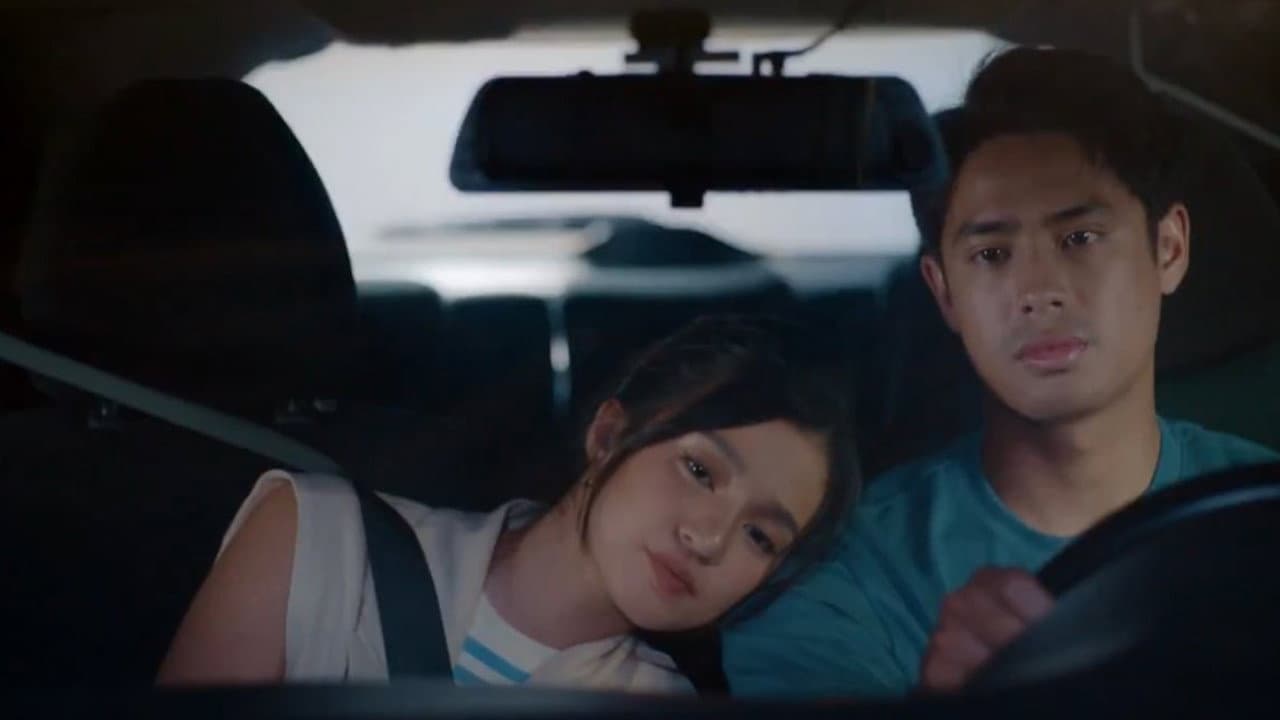
Furthermore, the visual and atmospheric language of romantic dramas has shifted toward a more muted, naturalistic aesthetic. Directors tackling these subjects today often lean into lingering close-ups, natural lighting, and minimalist soundscapes that allow the performances to breathe. When we examine the preliminary promotional rollout, including the initial trailer drop, there is a clear effort to establish a moody, reflective tone. This approach resonates particularly well with global arthouse audiences and urban demographics who view cinema as a mirror for their own relational complexities. As the June 2026 premiere draws closer, the marketing strategy will likely pivot from broad genre appeal to highlighting the nuanced character arcs that define the core conflict.
Production Context and What to Watch While You Wait
For cinephiles and industry followers tracking upcoming slates, understanding the broader context of independent and mid-budget drama financing provides valuable insight. Mid-budget dramas often rely heavily on festival buzz, word-of-mouth momentum, and targeted streaming strategies to achieve profitability. While major studios chase four-quadrant metrics, films like Us in the End carve out a vital cultural niche by prioritizing depth over scale. This makes the project an intriguing bellwether for how original dramatic storytelling fares in a theatrical ecosystem increasingly stratified between micro-budget indie art and nine-figure franchise spectacles.
- Official Title: Us in the End
- Scheduled Release Date: June 12, 2026
- Primary Genres: Romance, Drama
- Target Demographic: Contemporary drama enthusiasts and art-house filmgoers
As we edge closer to the theatrical debut in mid-June 2026, anticipation will inevitably build around early festival screenings and critical first impressions. For audiences looking to scratch a similar emotional itch while waiting for the premiere, diving into recent international successes like Past Lives or the classic Before trilogy offers a masterclass in how cinema handles the bittersweet geometry of human connection. When Us in the End finally reaches the big screen, it will test whether contemporary moviegoers are still willing to sit in the dark and confront the beautiful, complicated mess of real human love.