When Pixar first introduced the world to the secret life of toys in 1995, it revolutionized cinema by bringing the first fully computer-animated feature film to the silver screen. Over the decades, the franchise has evolved from a buddy comedy about jealousy and friendship into a sprawling, deeply emotional epic exploring mortality, abandonment, and the bittersweet nature of growing up. Now, as Disney and Pixar ready the fifth installment for a June 19, 2026 theatrical release, the stakes have never been higher. The studio is not merely cashing in on nostalgic IP; it is stepping directly into the cultural minefield of contemporary parenting, targeting the most pervasive rival that physical toys have ever faced: digital screen addiction.
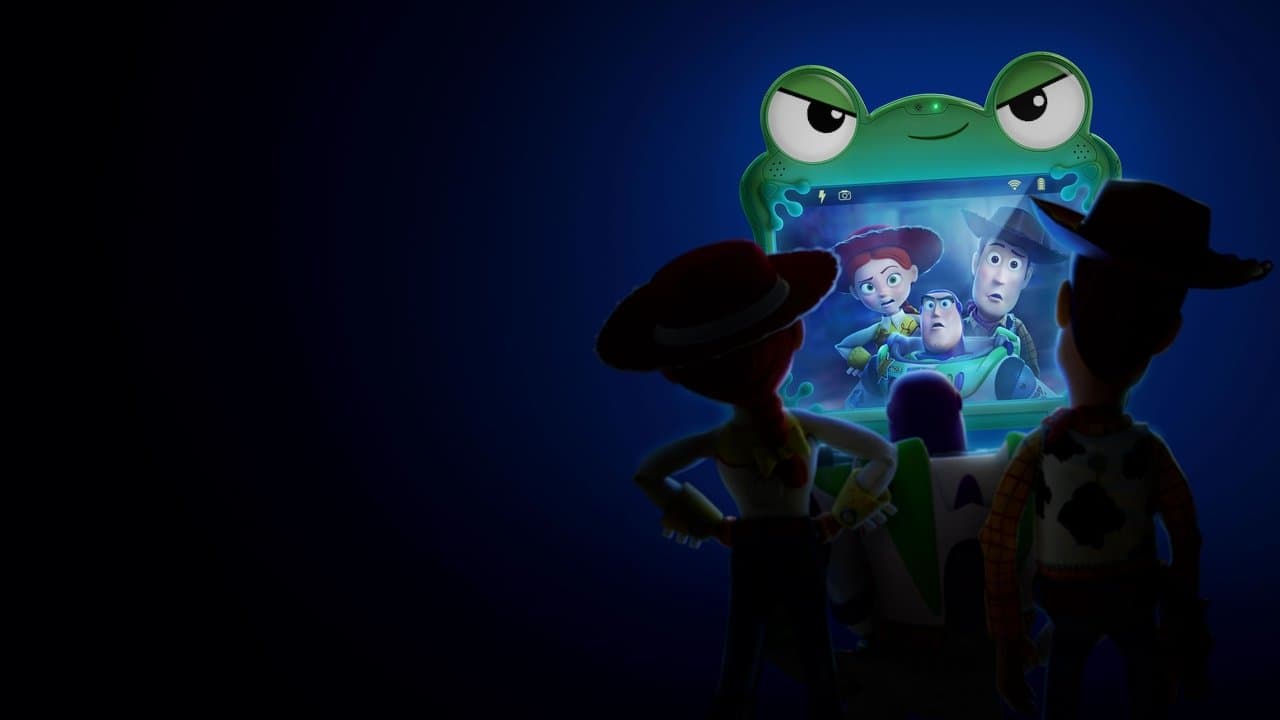
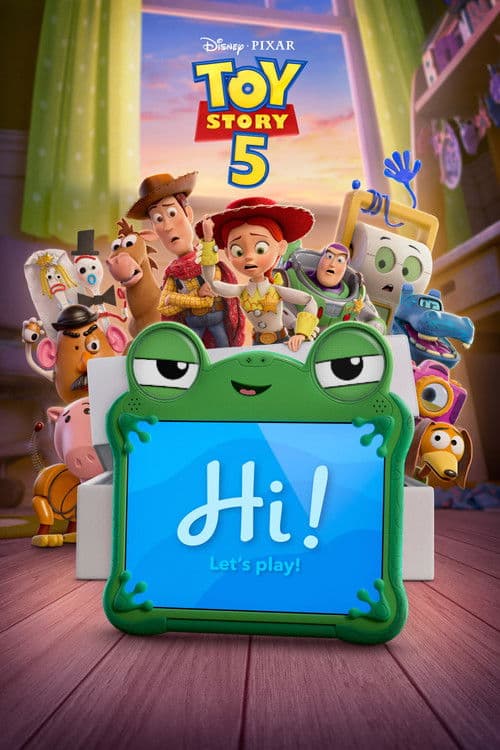
The creative premise for this upcoming chapter tackles a universal modern anxiety. Bonnie, the sweet-natured child who inherited Woody and his friends from Andy, receives a high-tech Lilypad tablet as a gift. Almost overnight, physical imagination is sidelined by algorithmic entertainment. For Buzz Lightyear, Jessie, and the rest of the bedroom collective, the mission shifts from surviving daycare lockdowns and antique store villains to waging an uphill battle against glowing pixels and infinite scrolling. This is arguably the most ambitious thematic hurdle the franchise has ever set for itself, bridging the gap between tactile nostalgia and the hyper-digital reality navigated by today's children across the globe.
The Evolution of Pixar and the Legacy of Toy Story
To understand why Toy Story 5 matters, we must examine Pixar’s current crossroads. In recent years, the legendary animation powerhouse has wrestled with a shifting cinematic landscape. Following pandemic-era streaming strategies that quietly trained family audiences to wait for Disney+ releases, Pixar faced a rocky theatrical recovery. However, recent massive box office milestones have proven that audiences still crave communal theatrical experiences for high-caliber animation. Toy Story 4 proved that the franchise still had emotional gas in the tank, grossing over one billion dollars globally and exploring the complex theme of finding one's own purpose outside of a child's bedroom.
Yet, bringing Woody back after his emotional, tear-jerking farewell in the previous film raised eyebrows among purists. Many wondered if the narrative closure had been compromised for commercial longevity. Pixar executives have assured fans, however, that the narrative justification for this sequel rests entirely on how dramatically childhood has transformed over the last decade. The toys are no longer just fighting obsolescence; they are fighting an invisible, addictive medium that demands total cognitive capture. This mirrors the cultural anxieties felt by parents from Los Angeles to Tashkent, as tablets and smartphones increasingly dominate children's attention spans.
Production Details and What to Expect
- Release Date: June 19, 2026
- Core Conflict: Bonnie's obsession with a Lilypad tablet
- Returning Characters: Woody, Buzz Lightyear, Jessie, and the ensemble toy gang
- Studio: Pixar Animation Studios / Walt Disney Pictures
- Primary Theme: Physical imagination versus digital screen addiction
As the June 2026 release date draws closer, anticipation continues to build across global markets. For Central Asian cinephiles and international audiences alike, the Toy Story series holds a unique place in cinematic history, having bridged generations of animation lovers. Whether this fifth chapter will provide a definitive, resonant conclusion to the saga or open the door to a new era of digital-age storytelling remains to be seen. What is certain, however, is that Pixar is daring to hold up a mirror to modern childhood, ensuring that Woody and Buzz remain relevant in a world dominated by glass screens and digital algorithms.