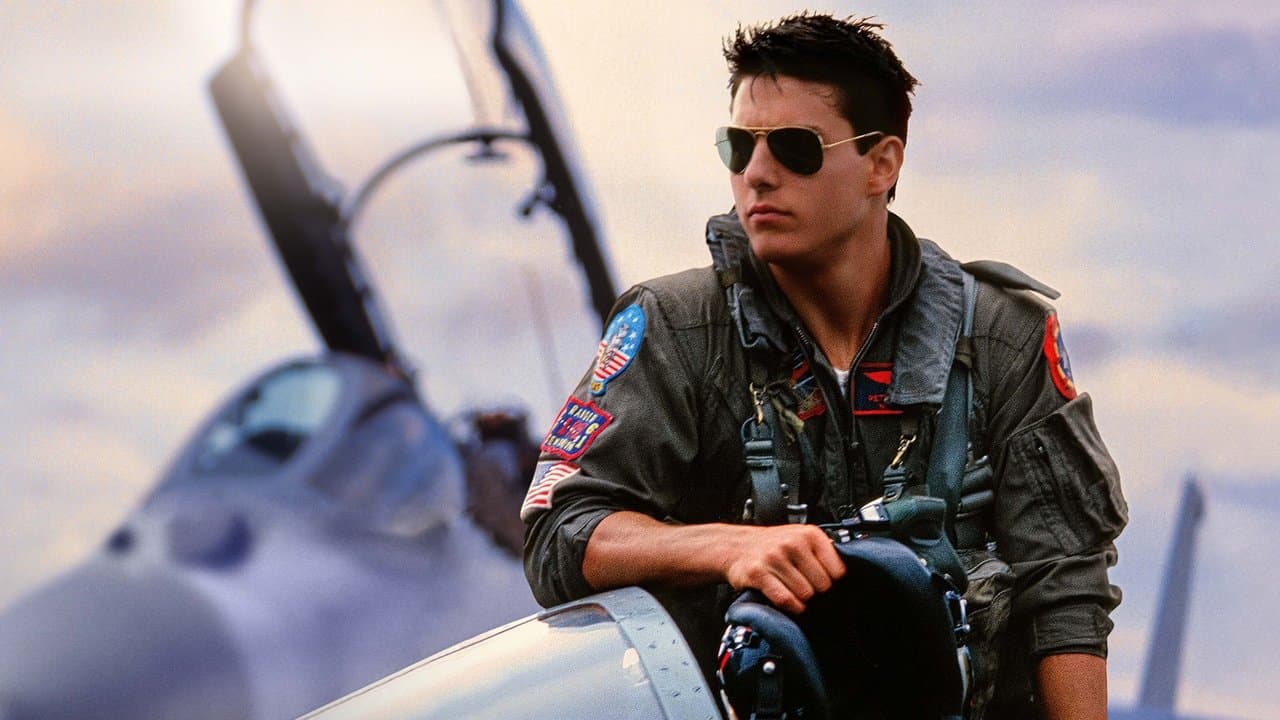
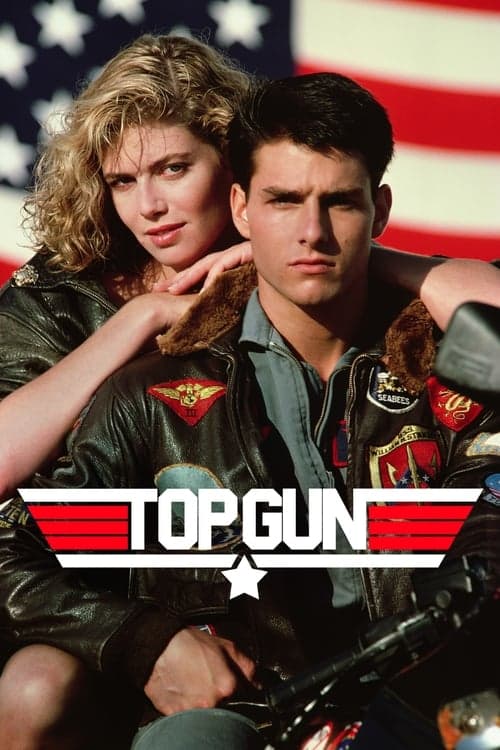
When Paramount Pictures unleashed Tony Scott's high-octane aviation drama upon the world in the spring of 1986, few industry analysts could have predicted the cultural seismic shift that would follow. Centered around the elite United States Navy Fighter Weapons School at Miramar, the film captured the public imagination with its dazzling aerial choreography, sun-drenched tarmac aesthetics, and an electrifying synth-rock soundtrack. It was more than just a summer entertainment vehicle; it was a watershed moment in motion picture history that permanently altered how blockbusters were marketed, produced, and consumed globally, setting a new template for the modern Hollywood action movie.
The Genesis of Maverick: Casting, Control, and Cinematic Style
The journey of bringing Pete 'Maverick' Mitchell to the silver screen was fraught with creative friction and relentless ambition. Producers Don Simpson and Jerry Bruckheimer envisioned a hyper-stylized, music-video-infused aesthetic, hiring commercials director Tony Scott for his striking visual flair. Initially, Tom Cruise was hesitant to take on the role, but a ride with the Navy's Blue Angels flight demonstration squadron completely changed his perspective, convincing him of the project's visceral potential. The supporting cast, featuring Val Kilmer as the icy rival Iceman, Kelly McGillis as civilian astrophysicist and instructor Charlie, and Anthony Edwards as the lovable family man Goose, built an undeniable chemistry that anchored the high-altitude thrills in genuine emotional stakes.
Behind the scenes, the production relied on unprecedented cooperation with the United States Pentagon, which allowed filmmakers access to real aircraft carriers, active-duty pilots, and million-dollar F-14 Tomcats in exchange for favorable military representation. This symbiotic relationship between Hollywood studios and the military-industrial complex set a new precedent for blockbuster filmmaking. While some critics initially dismissed the film's polished, commercial sheen and overt patriotism, audiences worldwide embraced the unrelenting bravado, propelling it to the top of the box office charts and cementing its status as a defining cultural artifact of the 1980s.
Global Resonance and the CIS Legacy of Aerial Cinema
For audiences across the post-Soviet space and Central Asia, discovering Top Gun during the VHS boom of the late 1980s and early 1990s offered a rare, technicolor window into an American subculture previously shrouded in Cold War mystery. The film's depiction of disciplined camaraderie, intense professional rivalry, and high-stakes aviation echoed universal themes that resonated with viewers far beyond North America. Local action enthusiasts and aspiring filmmakers in the CIS region studied Tony Scott's rapid-fire editing techniques, dynamic camera angles, and use of natural sunlight, absorbing lessons in pacing and visual storytelling that influenced subsequent action cinema across developing markets.
- Director: Tony Scott
- Producers: Don Simpson, Jerry Bruckheimer
- Key Cast: Tom Cruise, Val Kilmer, Kelly McGillis, Anthony Edwards, Tom Skerritt
- Release Date: May 16, 1986
- Box Office: Over $356 million worldwide against a $15 million budget
Decades after its initial theatrical run, the cultural footprint of this aviation epic remains remarkably vibrant, paving the way for its long-awaited 2022 sequel, Top Gun: Maverick, which shattered additional box office records. For film historians and casual moviegoers alike, revisiting the 1986 original provides a masterclass in blockbuster craftsmanship, reminding us of an era when practical stunts, charismatic movie stars, and bold directorial visions reigned supreme. As studios continue to search for the elusive formula that bridges technical spectacle with deep emotional resonance, the legacy of Maverick and Goose endures as a shining beacon of timeless cinematic entertainment.