
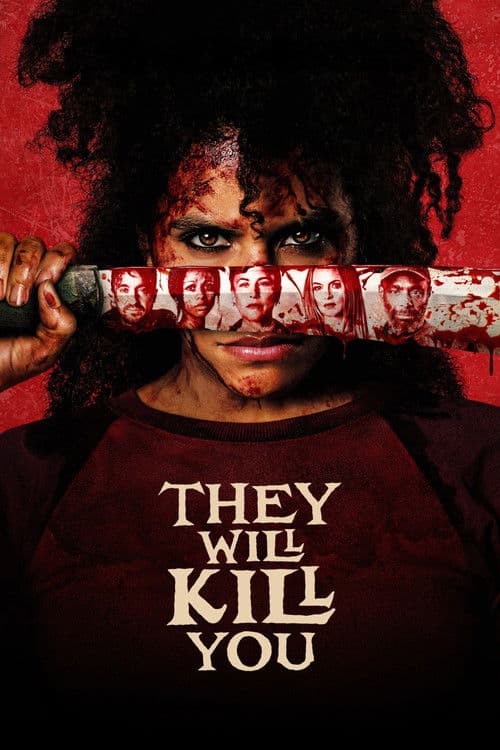
The cinematic landscape of urban paranoia has just received a chilling new entry with the theatrical release of They Will Kill You. Directed with a meticulous eye for claustrophobic dread, the film plunges audiences into the dizzying heights of New York City real estate, transforming a seemingly ordinary domestic employment opportunity into a waking nightmare. As ticket sales begin to climb and early word-of-mouth spreads across social media, cinephiles are once again reminded of why the intersection of domestic labor and elite secrecy remains one of horror cinema's most potent narrative engines. This is not merely a jump-scare factory; it is a carefully paced descent into structural corruption, touching on themes of isolation, economic desperation, and the invisible underclass that keeps glittering metropolitan towers functioning.
The Architecture of Dread: Urban Gothic and High-Rise Horror
To understand the atmosphere of They Will Kill You, one must look back at the cinematic tradition of urban gothic storytelling, where architectural marvels double as cages. From Roman Polanski’s legendary Apartment Trilogy to the brutalist isolation seen in high-concept thrillers, the modern metropolis has long served as a playground for predatory elites. The New York City high-rise in this film functions almost as a living organism, a monolith of wealth that swallows the vulnerable whole. The narrative relies heavily on the juxtaposition between the blinding opulence of Manhattan penthouses and the grim, shadowy service corridors where the protagonist must navigate her duties.
This aesthetic choice resonates powerfully with global audiences, including those across Eastern Europe and Central Asia, where rapid urbanization has birthed modern glass towers standing in stark contrast to Soviet-era housing blocks. The metaphor of the merciless skyscraper is universally understood: it represents an upward mobility that often demands a devastating human toll. By trapping its heroine within a labyrinth of suspicious tenants and institutional gaslighting, the film taps into a very contemporary anxiety about being entirely invisible to the systems that control our livelihoods.
- Director: Kirill Sokolov
- Lead Star: Zazie Beetz
- Genre: Psychological Horror / Thriller
- Release Window: Theatrical Release (Current)
- Core Theme: Economic Vulnerability and Cult Dynamics
Casting Brilliance and the Resurgence of Intelligent Horror
At the center of this suffocating storm is Zazie Beetz, whose career choices continue to establish her as one of the most versatile and compelling performers of her generation. Beetz brings a grounding, fierce authenticity to the role of the beleaguered housekeeper, moving away from traditional scream-queen tropes to portray a woman whose primary weapons are acute observation and sheer survival instinct. The supporting ensemble features a gallery of veteran character actors who chew the scenery with polite menace, creating a pervasive sense of unease where every neighborly smile feels like a trap.
For independent cinema enthusiasts and festival circuit regulars, the production values—ranging from sound design that weaponizes the creak of old elevators to suffocating color grading—elevate the material far above standard genre fare. It proves that mid-budget psychological thrillers can still captivate theatrical crowds if they respect the audience's intelligence. As the film rolls out internationally, viewers in CIS territories and beyond are finding fresh parallels in its critique of closed-off communities and the unchecked power of the ultra-wealthy.
As They Will Kill You continues its theatrical run, it solidifies a growing trend of horror cinema acting as a mirror for modern socioeconomic dread. Whether you are catching it on opening weekend or waiting for it to hit premium video-on-demand platforms, this is a cinematic puzzle box worth unwrapping. For those seeking their next intense screen fix, keep a close eye on upcoming indie horror releases and A24-style psychological dramas that promise to keep audiences guessing long after the credits roll.