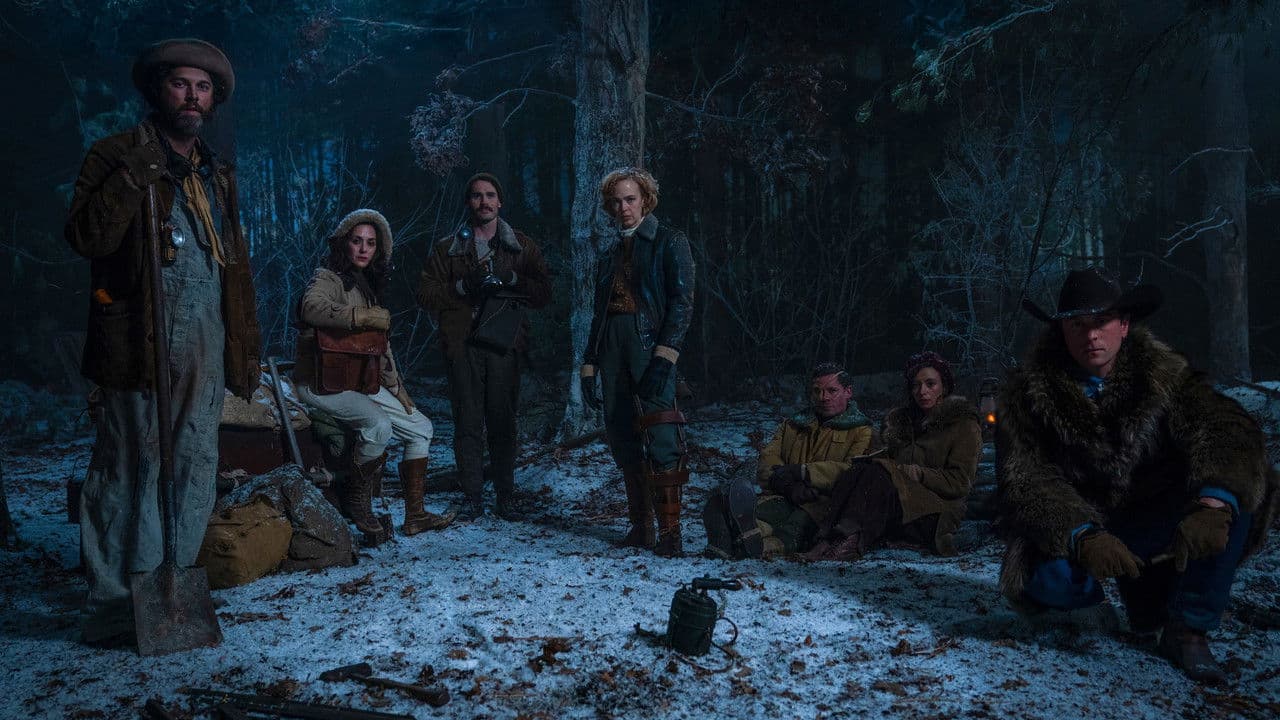
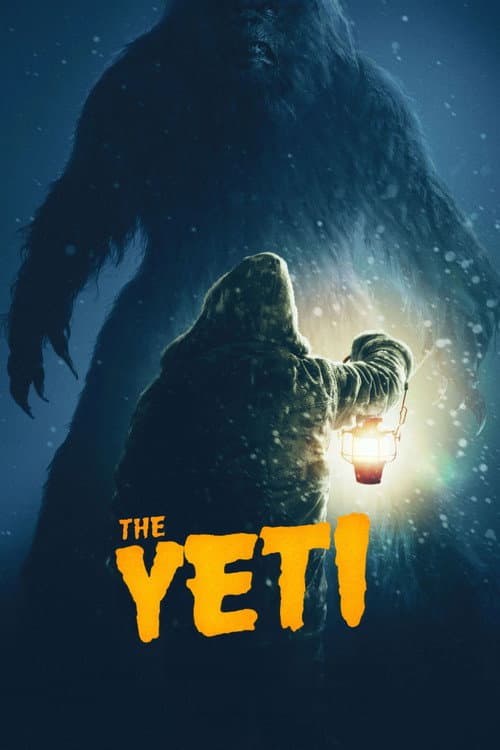
Winter on the cinematic calendar has always belonged to survival thrillers, but 2026 is carving out a terrifying new niche with the theatrical arrival of The Yeti. When a high-rolling oil tycoon and a globally celebrated adventurer mysteriously drop off the grid in the unforgiving expanses of northern Alaska, a specialized search and rescue unit is mobilized. Tasked with braving temperatures that freeze human breath in seconds, these seasoned professionals expect frostbite, blinding snowstorms, and treacherous terrain. Instead, they stumble into a primal nightmare. They are not merely fighting the elements; they are trespassing in the ancestral domain of an apex predator of legend. The film wastes no time establishing an atmosphere of relentless dread, transforming the breathtaking, desolate landscapes of the Arctic wilderness into a suffocating cage where every shadow breathes.
Deconstructing the Cryptid: Why Monster Horror Still Dominates
The cinematic lineage of The Yeti draws heavily from a rich tradition of creature features that play on humanity's deepest evolutionary fears. For over a century, the myth of the Abominable Snowman or Bigfoot has captured global imagination, transitioning from local folklore into a staple of popular culture. However, modern horror has evolved past the cheap B-movie creature shocks of the twentieth century. Today's audiences demand physiological realism, psychological weight, and visceral tension that mirrors prestige survival dramas like The Grey or The Revenant. In crafting this latest terrifying entry, the filmmakers have clearly studied what makes monster cinema endure. By anchoring the supernatural threat within the stark, realistic hazards of industrial encroachment and extreme geography, the picture bridges the gap between popcorn entertainment and harrowing environmental horror.
Moreover, the mechanics of modern creature design have undergone a quiet revolution. Relying heavily on practical effects mixed with seamless visual enhancements, the physical presence of the titular beast feels terrifyingly tangible. We are far away from the rubber monster suits of early Hollywood cinema; this creature is depicted as a lethal, intelligent force of nature perfectly adapted to a world humans were never meant to conquer. The psychological toll on the rescue team forms the narrative core, exploring how ordinary people react when forced to confront the impossible. As the casualty count rises and communication channels break down, the movie transforms into a claustrophobic psychological study disguised as a creature feature.
The Production Blueprint and What Lies Ahead
Bringing a massive snow-bound monster movie to life requires a logistical marvel of filmmaking, demanding grueling location shoots and intricate sound design that makes every crunch of ice sound like a death sentence. For Central Asian and CIS cinephiles who appreciate epic cinematic landscapes—reminiscent of the harsh mountainscapes found in regional masterpieces—The Yeti offers a masterclass in utilizing topography as a character. The cinematography contrasts blinding white snow with visceral splashes of crimson, creating striking compositions that linger long after the credits roll. As independent horror continues to dominate theatrical box offices worldwide, proving that original concepts can still rival established superhero franchises, this release stands out as a triumph of practical ambition.
- Genre: Survival Horror / Creature Feature
- Setting: Remote Northern Alaska
- Themes: Man versus nature, corporate greed, cryptozoology
- Distribution: Theatrical Release Nationwide
As winter cinematic seasons go, The Yeti provides an adrenaline-fueled escape for audiences craving high-concept terror on the silver screen. Whether you are a die-hard fan of cryptozoology lore or simply someone who appreciates a masterfully executed cat-and-mouse thriller, this film demands to be experienced in a dark theater with pristine sound design. Check local listings for showtimes, grab your popcorn, and prepare to question every dark silhouette you see in the falling snow.