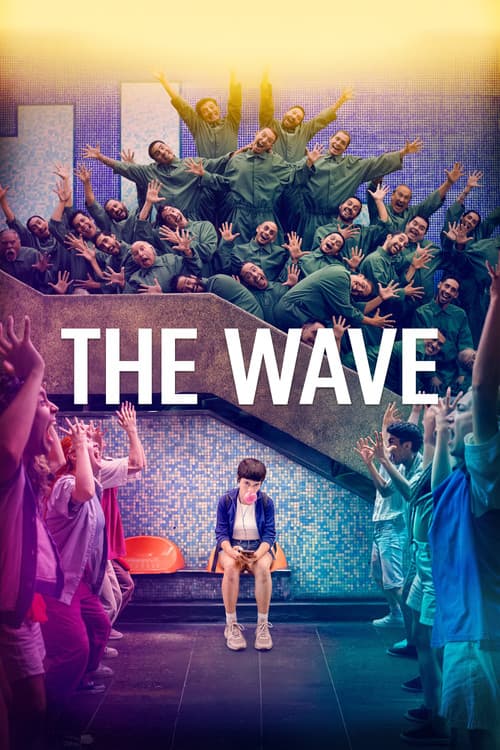
Cinema has long served as a mirror for societal upheaval, yet few contemporary projects manage to bridge the gap between high-stakes musical performance and gritty political mobilization quite like the upcoming feature The Wave. Scheduled to hit theatrical circuits on June 26, 2026, this ambitious drama dives deep into the hallowed halls of academia, where a singular testimony from a music student acts as the catalyst for an explosive campus-wide feminist uprising. In an era where audiences increasingly demand stories of systemic accountability and collective agency, this film arrives not merely as entertainment, but as a cultural flashpoint. Directed with a sharp eye for rhythm and emotional resonance, the project transforms conventional narrative beats into a symphony of dissent, utilizing the universal language of music to articulate deeply personal grievances that ultimately morph into a roaring collective voice.
The Anatomy of Musical Resistance: Contextualizing the Narrative
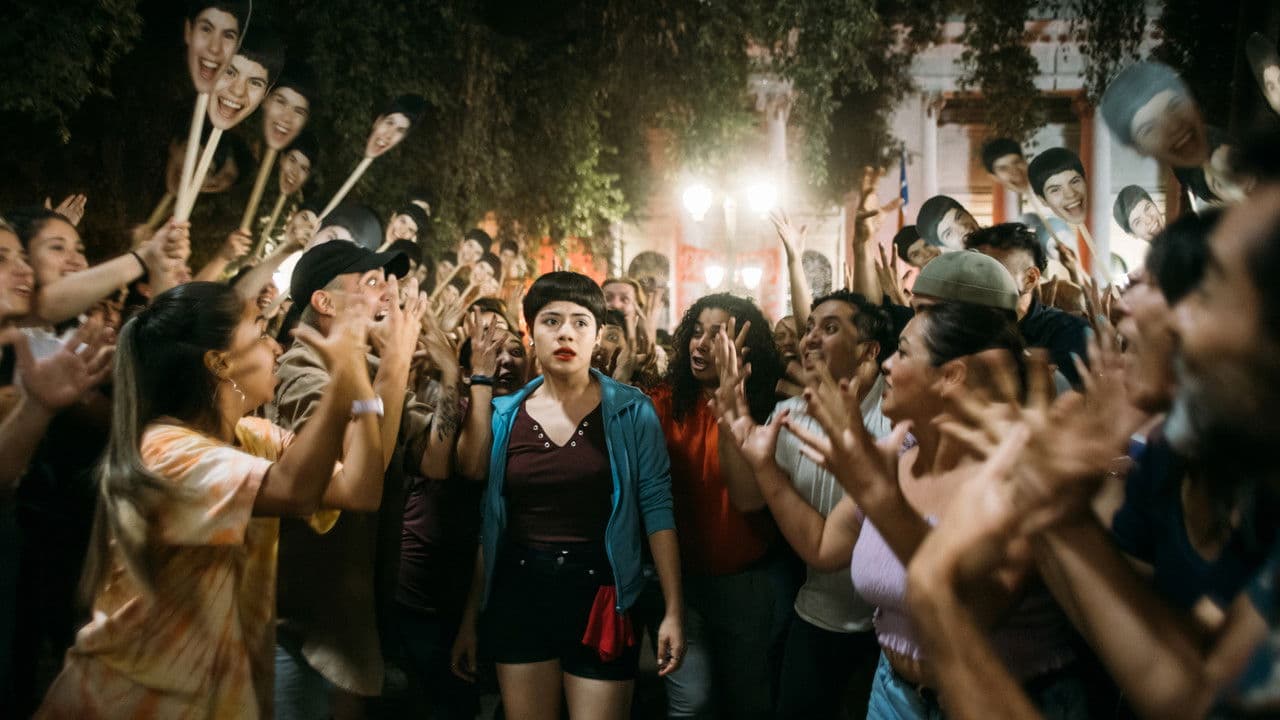
To understand the creative DNA of The Wave, one must look back at a rich cinematic lineage that pairs youthful rebellion with high-energy soundtracks, ranging from classic coming-of-age musicals to modern indie dramas that tackle institutional corruption. Music departments in cinema are frequently depicted as ivory towers detached from real-world struggles, yet this film subverts that trope entirely. Here, the conservatory becomes a microcosm of societal power structures, where hierarchy, privilege, and institutional silence are challenged through melody and synchronized performance. When the protagonist steps forward to share her testimony, the ensuing campus protest refuses to stay confined to traditional picket lines. Instead, it bleeds into artistic expression, transforming choir halls and campus greens into stages for radical accountability. This stylistic choice elevates the film beyond standard melodrama, tapping into a growing tradition of cinematic protest where art is weaponized against oppression.
For international cinephiles, including audiences across Eastern Europe and Central Asia, the themes of institutional power struggles and youth-led movements strike a particularly resonant chord. In recent years, universities and creative institutions across the CIS region have witnessed their own evolving dialogues surrounding free expression, gender equality, and the right to protest. While The Wave is rooted in a specific Western campus setting, its core exploration of how individual courage can galvanize a silent majority transcends geographical boundaries. Film critics tracking the production note that the project relies heavily on avant-garde choreography and an emotionally charged score, elements designed to keep viewers on the edge of their seats while prompting critical reflection on how communities respond to injustice.
Production Details and What Lies Ahead
As the June 2026 release date draws closer, anticipation is mounting regarding the film's execution, pacing, and potential awards season trajectory. While initial database metrics on platforms like TMDB currently hover around an exploratory score of 5.4, industry insiders suggest that such early figures often fluctuate wildly before a project's official festival premiere and marketing blitz. The creative team has remained tight-lipped about the complete cast roster, but rumors point to a compelling blend of breakout young talent and seasoned dramatic heavyweights who bring emotional gravity to the administrative roles standing in opposition to the student movement.
- Release Date: June 26, 2026
- Primary Genres: Music, Drama
- Core Theme: Feminist Uprising and Campus Protest
- Cinematic Approach: Blending narrative tension with musical performance
As we look toward the summer box office of 2026, The Wave stands out as a high-risk, high-reward gamble for its studio. In a marketplace frequently dominated by intellectual property reboots and superhero franchises, an original musical drama centered on feminist activism represents a refreshing breath of artistic ambition. Whether it succeeds in sparking the same kind of real-world dialogue as its fictional student body remains to be seen, but one thing is certain: when the curtain rises next June, the cinematic conversation around protest and performance will never be quite the same. Film enthusiasts should keep a close eye on upcoming teaser trailers and festival announcements for deeper insights into how this musical uprising translates to the big screen.