The cinematic landscape of the 2020s has undergone a profound structural shift, moving away from gritty reboots toward joyful, unapologetic world-building rooted in beloved intellectual property. No studio has mastered this pivot quite like Illumination Entertainment in partnership with Nintendo, transforming pixelated nostalgia into multi-billion-dollar cinematic events. Following the unprecedented global triumph of their initial Mushroom Kingdom outing, studio executives and visionary filmmakers faced a monumental hurdle: how to escalate the stakes without exhausting the audience. The answer arrives with cosmic ambition in their latest theatrical venture, which trades the familiar green pipes and subterranean tunnels for the breathtaking, physics-bending expanse of outer space, adapting the beloved mechanics of one of Nintendo's most celebrated platforming masterpieces.
Navigating Interstellar Lore and Family Dynamics
At the narrative core of this cosmic sequel lies a clever subversion of traditional villainy. Having successfully neutralized Bowser's matrimonial ambitions in the previous chapter, the heroic plumber duo of Mario and Luigi find themselves caught off-guard by a much more volatile antagonist: Bowser Jr. Rather than a straightforward rehash of parental rescue missions, the screenplay introduces rich psychological undercurrents regarding legacy, familial loyalty, and youthful hubris. The young heir is not merely acting out of petty malice; he is driven by a fierce, misguided sense of filial duty to liberate his father and restore the Koopa dynasty to its former glory. This emotional complexity elevates the narrative above standard Saturday-morning cartoon fare, offering younger audiences a relatable theme of generational responsibility while providing older viewers with surprisingly nuanced character motivations.
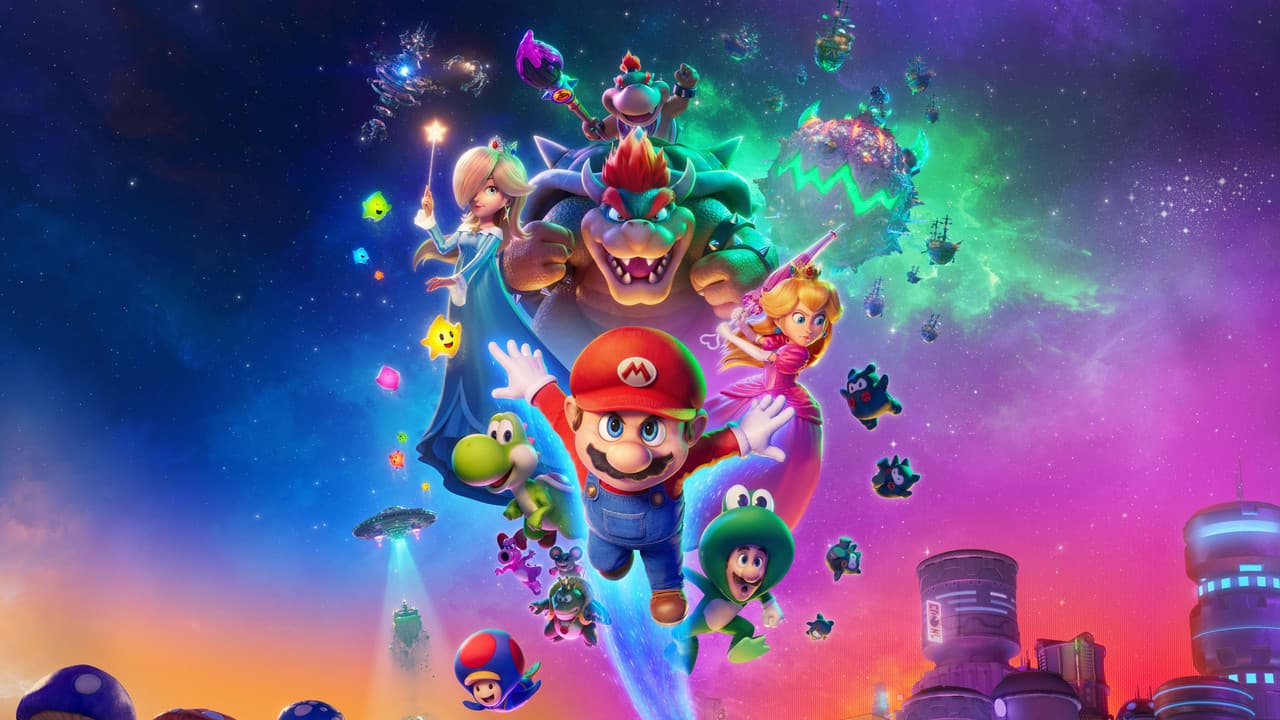
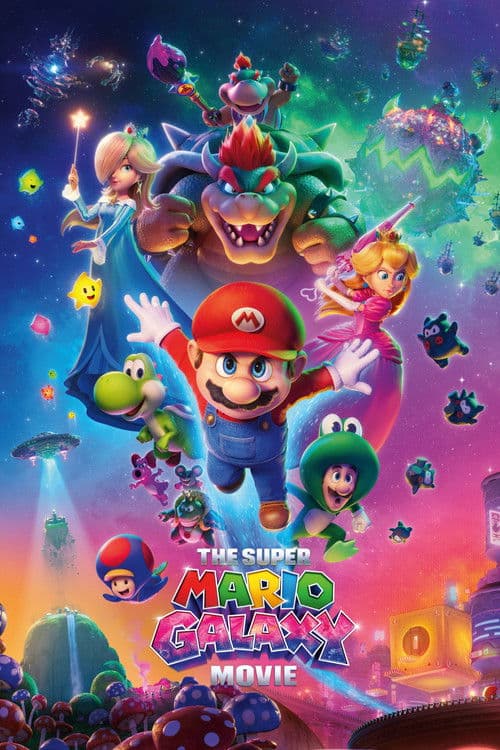
To bring this sprawling galactic odyssey to life, the production team utilized cutting-edge rendering techniques that pay homage to the spherical gravity mechanics of the original video game source material. Planets are no longer flat backdrops; they are fully realized celestial bodies with independent gravitational pulls, allowing for breathtaking action choreography where Mario and Luigi must literally run upside down across rotating asteroids. Alongside returning favorites like Princess Peach and Toad, the narrative introduces cosmic companions who expand the lore, bridging the gap between traditional Nintendo platforming and deep space opera. The visual design marries Illumination's signature vibrant color palette with the awe-inspiring majesty of deep-space cinematography, drawing subtle visual cues from classic sci-fi epics while remaining fiercely loyal to Shigeru Miyamoto's original character designs.
- Directors: Aaron Horvath and Michael Jelenic
- Studio: Illumination & Nintendo
- Key Characters: Mario, Luigi, Princess Peach, Bowser Jr., Rosalina
- Release Window: Currently playing in global theaters
- Source Material: Super Mario Galaxy (Wii, 2007)
The Industrial Impact on Modern Animation and Central Asian Markets
The cultural footprint of this release extends far beyond domestic box-office receipts, signaling a broader distribution strategy that heavily impacts emerging international territories, including the CIS and Central Asian regions. As local cinema chains in Uzbekistan, Kazakhstan, and neighboring countries increasingly embrace synchronized day-and-date global releases, family-oriented blockbusters have become the primary economic engine for theatrical exhibition. High-profile animated features equipped with robust localization, including professional Russian dubbing and expanding regional language support, consistently draw multi-generational audiences to modern multiplexes, revitalizing post-pandemic theatrical attendance figures across Central Asia.
Furthermore, the unprecedented technical fidelity of this cosmic sequel establishes a punishingly high benchmark for contemporary computer-generated imagery. As audiences in Tashkent, Almaty, and beyond gain access to premium large-format screens and state-of-the-art sound systems, they demand cinematic experiences that rival Hollywood standards. The film's meticulous sound design—featuring soaring orchestral arrangements that seamlessly weave Koji Kondo's legendary melodic motifs with epic cinematic scores—demonstrates the enduring universal appeal of video game music. By bridging the generational gap between parents who played the original Wii classic in the late 2000s and children experiencing the franchise for the very first time, the movie acts as a powerful cultural unifier.
As the box-office numbers continue to shatter initial industry projections, speculation has already begun regarding the future trajectory of Nintendo's cinematic universe. With an entire galaxy of characters, spin-offs, and deep-cut lore waiting to be explored, this interstellar chapter proves that the plumber brothers' journey on the big screen is only just beginning. Audiences leaving the theater are left not with the fatigue of a franchise overstaying its welcome, but with genuine excitement for whatever celestial destination the creators choose to visit next.