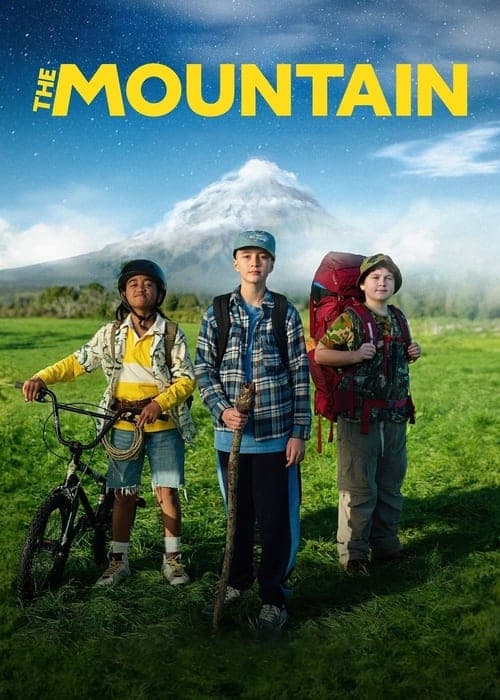
Cinema has long served as a universal bridge, allowing audiences from vastly different corners of the globe to walk in the shoes of characters whose lives are worlds apart from their own. When we look at international film landscapes beyond Hollywood blockbusters, some of the most emotionally resonant storytelling originates from Indigenous filmmaking communities. The upcoming theatrical release of The Mountain on April 24, 2026, brings this exact brand of heartfelt, localized global cinema back into the spotlight. Following a young girl fighting cancer who seeks spiritual healing by connecting with her ancestral Māori mountain, the film blends harrowing personal stakes with the breathtaking landscapes of Aotearoa New Zealand. For viewers in Central Asia and the broader CIS region, where traditions, respect for majestic geography—such as the Tian Shan or Pamir mountains—and multi-generational community ties run deep, the thematic DNA of this film will feel instantly familiar and profound.
The Indigenous Renaissance and Universal Storytelling
The global cinematic ecosystem is currently experiencing a profound renaissance of Indigenous voices. For decades, stories from communities like the Māori of New Zealand, the First Nations of Canada, or the nomadic and mountain cultures of Central Asia were filtered through Western, colonial lenses. Today, filmmakers from these backgrounds are taking direct control of their narratives, infusing high-concept emotional dramas with authentic cultural cosmology. In The Mountain, the physical landscape is not merely a pretty background; it is treated as an active, living ancestor. This animistic, deeply spiritual connection to nature mirrors ancient traditions found across many post-Soviet republics, where mountains are revered as sacred guardians and sources of spiritual fortitude. The protagonist's physical journey to conquer her illness by engaging with her heritage highlights how cultural identity acts as an anchor during existential crises.
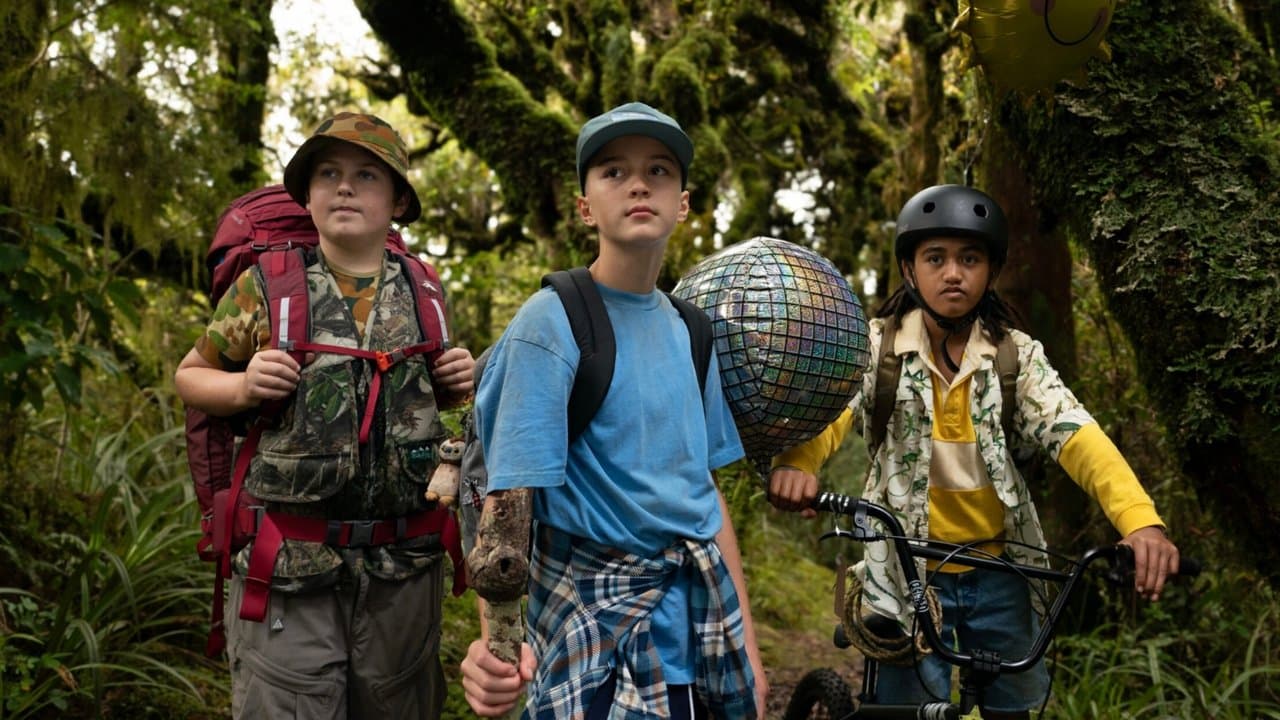
Furthermore, the film deftly avoids the trap of becoming an overly somber medical melodrama by incorporating a classic troupe: a band of lovable misfits. Cinema has a rich history of youth-driven adventure odysseys, from Stand by Me to modern crowd-pleasers, where children form unbreakable bonds while navigating hostile terrain. By pairing a high-stakes health battle with lighthearted comedy and adolescent camaraderie, the director ensures the narrative remains accessible to families while preserving emotional depth. International audiences often respond best to stories that balance tears with laughter, making this indie drama a compelling entry point for viewers seeking genuine human connection rather than hollow CGI spectacle.
Production Context and Global Appeal for CIS Audiences
Understanding the context behind independent regional productions helps illuminate why they matter in markets like Uzbekistan and the wider CIS. While local film industries in Central Asia are currently experiencing their own commercial booms with regional comedies and historical epics, exposure to world cinema—particularly Pacific and Oceanian storytelling—remains relatively rare in local multiplexes. Yet, the emotional core of The Mountain transcends linguistic and geographical borders. Fighting terminal illness, the awkwardness of teenage misfits finding their tribe, and the universal yearning to belong somewhere specific are themes that resonate universally in Tashkent, Almaty, Moscow, and beyond.
- Official Release Date: April 24, 2026
- Genres: Adventure, Drama, Family, Comedy
- Core Themes: Indigenous heritage, overcoming illness, teenage friendship
- Geographical Setting: The majestic peaks of Aotearoa New Zealand
As we approach the theatrical rollout, industry analysts will be watching to see how international distribution handles this uniquely local yet globally resonant tale. In an era dominated by superhero fatigue and franchise exhaustion, modest independent projects driven by heart and cultural authenticity offer a refreshing alternative. For cinephiles in Central Asia and CIS countries, keeping an eye on releases like The Mountain provides a vital reminder of cinema's power to foster empathy across vast cultural divides, proving that the local stories are often the ones that speak the loudest to the human soul.