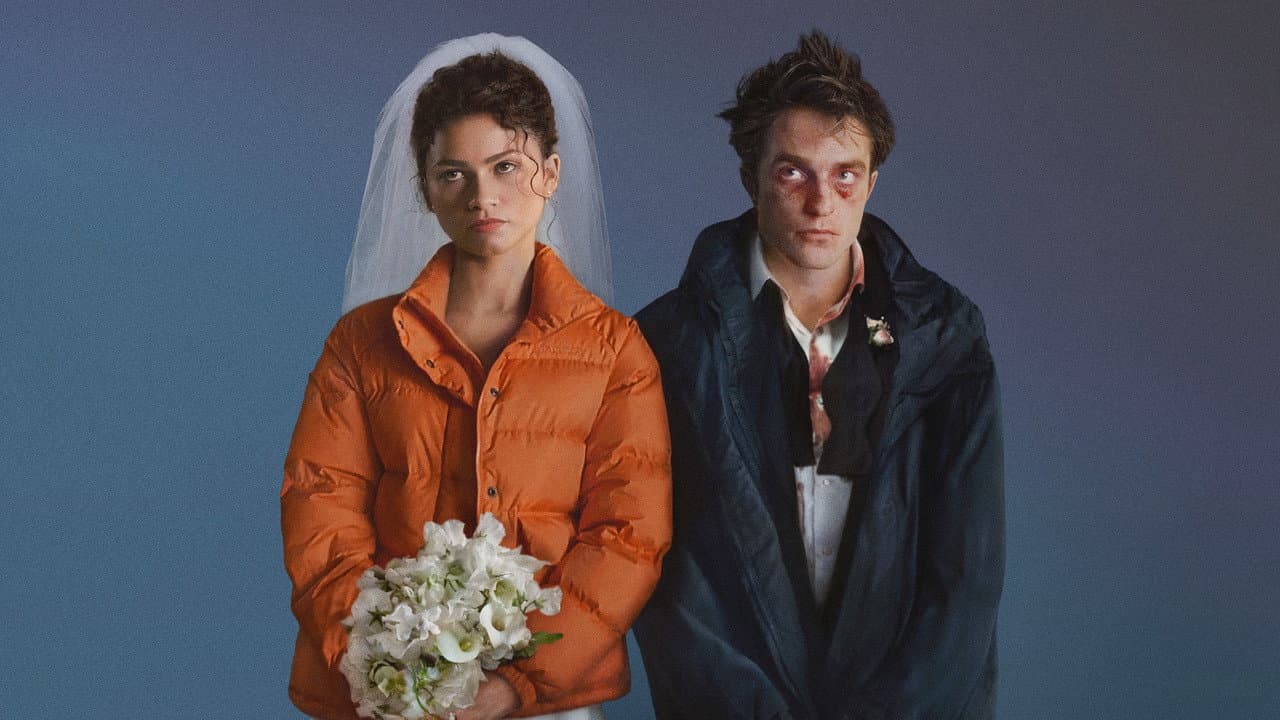
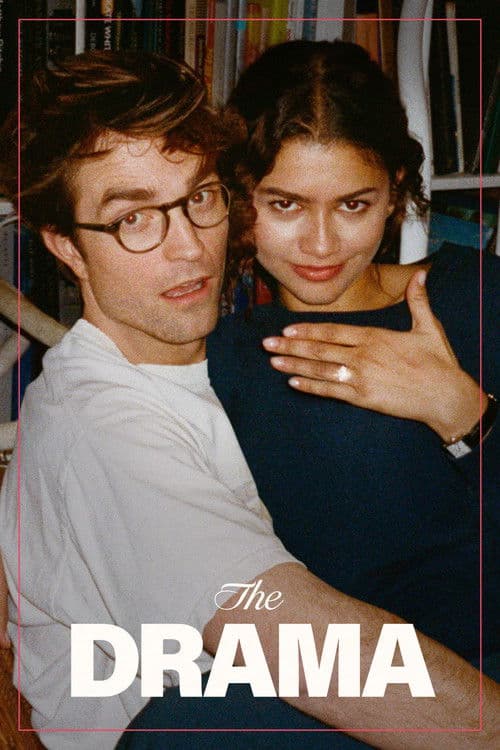
The cinematic wedding has long been a staple of both high drama and low comedy, serving as a pressure cooker where family secrets, buried resentments, and existential dread inevitably bubble to the surface. Yet, very few filmmakers possess the tonal dexterity required to transform this familiar trope into a razor-sharp psychological exploration of modern anxiety. Enter Kristoffer Borgli, the visionary voice behind subversive satires, who returns to the big screen with a feature that threatens to turn the traditional romantic comedy formula completely inside out. As audiences pack theaters to witness a seemingly blissful engagement violently derail over the course of a single catastrophic week, film critics and culture watchers alike are left parsing the deeper implications of a narrative that refuses to offer easy, comforting resolutions.
Deconstructing the Romantic Comedy Trope
For decades, Hollywood has relied on the wedding week as a narrative device primarily for screwball comedy or melodramatic tearjerkers, where external obstacles—lost rings, runaway brides, or meddling in-laws—ultimately reinforce the sanctity of the central relationship. However, this contemporary release subverts those tired conventions by looking inward, treating the psychological strain of impending matrimony not as a hurdle to overcome, but as a symptom of a deeper, systemic breakdown in modern identity and partnership. The narrative architecture forces its protagonists to confront not just each other's hidden flaws, but the terrifying permanence of the social contracts they are about to sign. This approach aligns closely with a broader wave of post-romantic cinema sweeping through international film festivals, one that questions whether traditional milestones still hold meaning in an era of acute psychological self-awareness and perpetual life optimization.
Behind this cinematic disruption is a pedigree of filmmaking talent known for favoring discomfort over crowd-pleasing sentimentality. The production brings together an ensemble cast capable of navigating the razor-thin line between pitch-black comedy and agonizing realism. Industry insiders have noted that the project's journey from script development to theatrical distribution reflects a growing appetite among studio financiers to back riskier, mid-budget original concepts that appeal directly to sophisticated adult audiences tired of franchise fatigue.
- Director: Kristoffer Borgli
- Genre: Psychological Drama / Dark Comedy
- Theatrical Release: Currently in theaters worldwide
- Core Themes: Marital anxiety, social performativity, psychological unraveling
Relevance for Global Audiences and Regional Markets
While stories about wedding pressures carry universal resonance, the cultural weight of marriage ceremonies holds a uniquely powerful grip across vastly different societies, including Eastern Europe, Central Asia, and the broader CIS region. In these cultures, weddings are rarely private affairs between two individuals; they are massive communal spectacles laden with expectations, tradition, and profound social symbolism. Consequently, a cinematic narrative that exposes the terrifying psychological toll of performing happiness for an audience hits remarkably close to home for viewers outside of Western markets. Regional filmgoers are increasingly gravitating toward Hollywood and independent releases that challenge conventional morality tales, reflecting a shared generational shift toward prioritizing individual mental health over rigid societal scripts.
As multiplexes continue to balance high-octane blockbusters with character-driven psychological narratives, the box office performance of this title will likely serve as an important bellwether. It tests whether contemporary audiences are genuinely hungry for complex storytelling that refuses to sanitize the messy reality of human relationships. For film enthusiasts and industry analysts tracking the evolution of modern drama, observing how viewers engage with this marital deconstruction offers fascinating insights into changing cultural attitudes toward commitment, love, and the pressure to project perfection in an increasingly judgmental digital world.
Ultimately, whether viewed as a cautionary tale or a darkly funny mirror reflecting our collective anxieties, the film solidifies its place as one of the most talked-about theatrical events of the season. As word-of-mouth spreads and audiences continue to dissect its ambiguous final acts, cinema lovers are encouraged to experience the derailment firsthand on the big screen before spoilers inevitably flood online discussions. Keep an eye on upcoming awards season chatter, as performances within high-concept psychological dramas of this caliber frequently capture the attention of major critics' circles.