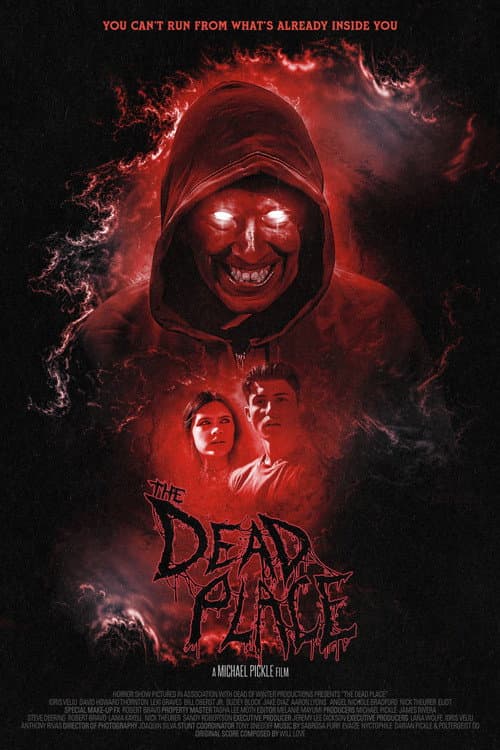
The cinematic landscape of horror has undergone a profound evolution over the past decade, moving away from cheap jump scares toward deeply internalized psychological trauma. When indie studios announce ambitious supernatural projects, cinephiles and genre enthusiasts immediately look for signs of fresh thematic resonance. Enter The Dead Place, scheduled for a theatrical rollout on June 10, 2026, which positions itself at the intersection of adolescent alienation and demonic affliction. Rather than relying on standard creature-feature tropes, the film utilizes the heavy burden of visions and spiritual haunting as a metaphor for the agonizing isolation of modern youth.
For international cinephiles and viewers across the post-Soviet sphere who have witnessed a burgeoning local interest in psychological thrillers, this project offers a compelling case study in contemporary indie horror financing and distribution. The marketing campaign has already begun generating chatter across digital platforms, signalling a calculated push to capture the elusive Gen Z demographic through atmospheric dread and high-concept storytelling. As we inch closer to its summer premiere, understanding the structural and narrative choices behind such productions reveals a lot about where mainstream and independent horror intersect in the mid-2020s.
The Anatomy of Modern Supernatural Horror and Youth Alienation
At its core, the narrative framework of The Dead Place taps into a time-tested tradition within fantastic cinema: the troubled teenager whose heightened perception is mistaken for mental instability by an uncomprehending adult world. The protagonist, Isaac, navigates a hostile high school environment while wrestling with spectral visions that steadily erode his familial bonds. This dynamic echoes classic cinematic predecessors like Stephen King adaptations or Richard Kelly's Donnie Darko, where the boundary between adolescent angst and genuine supernatural corruption dissolves entirely. What makes this upcoming 2026 release particularly intriguing is how it externalizes internal rot through the seductive manipulation of a mysterious newcomer, forcing the protagonist into a harrowing battle for his own soul.
The supporting dynamic between Isaac and Katharine introduces another crucial layer: the archetype of the paranormal-obsessed confidante standing as the sole bulwark against total moral collapse. In genre storytelling, this relationship often serves as the emotional anchor, grounding high-concept supernatural stakes in genuine human attachment. Furthermore, the introduction of a seductive external antagonist who encourages destructive impulses provides a clear allegorical reading of peer pressure, depression, and self-destructive nihilism. Director and writers utilize these familiar genre building blocks not for nostalgia, but to construct a claustrophobic chamber piece about losing control of one's own identity.
Production Context, Cast Dynamics, and Industry Expectations
Bringing a nuanced indie horror film to the global market requires a delicate balance of atmospheric world-building and strong central performances. The ensemble cast features emerging talents who are well-positioned to break out with this project. Veliu takes on the psychologically demanding role of Isaac, anchoring the film's heavy emotional lifting, while Graves brings determination and vulnerability to Katharine. The introduction of Thornton as the disruptive New Kid injects volatile energy into the narrative engine, creating the necessary friction to propel the protagonist toward his fateful moral crossroads, shadowed by Oberst's malevolent presence.
As industry analysts look toward the summer 2026 box office, mid-budget horror features like this one face a unique landscape. They no longer rely solely on traditional theatrical footprints; instead, they thrive on viral marketing, community-driven social media engagement, and day-and-date digital streaming strategies that cater to global audiences instantly. For film enthusiasts in Central Asia and the wider CIS region—where access to day-and-date international indie releases has expanded dramatically through digital platforms—The Dead Place represents the kind of sleek, concept-driven genre fare that translates universally across cultural boundaries.
- Release Date: June 10, 2026
- Genre: Supernatural Horror / Psychological Thriller
- Key Cast: Veliu, Graves, Thornton, Oberst
- Central Theme: Adolescent alienation, demonic corruption, and grief
Ultimately, The Dead Place arrives with high expectations precisely because it leans into the darker, less comfortable aspects of growing up. Whether it will successfully elevate its familiar genre tropes into something transcendent remains to be seen when the credits roll this coming June. For now, audiences would do well to keep a close eye on its rollout, as it promises to be one of the summer's most talked-about indie genre experiments.