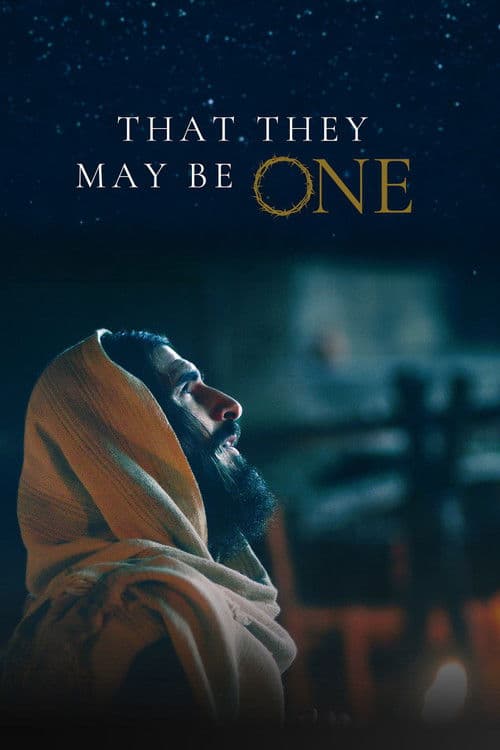
As the cinematic landscape continues to make room for faith-based and spiritually-driven non-fiction storytelling, a massive new project is preparing to capture the global screen. Scheduled for theatrical release on May 19, 2026, the feature-length documentary That They May Be One takes on an extraordinarily ambitious canvas: tracing more than one hundred years of interconnected spiritual revivals that fundamentally reshaped modern global Christianity. Moving far beyond standard talking-head religious programming, the production promises a sweeping historical tapestry that bridges Catholic mysticism and the explosive growth of global Pentecostalism, connecting seemingly disparate moments of intense religious fervor into a single, cohesive narrative arc.
The Cinematic Lineage of Spiritual Documentaries
Religious and spiritual documentaries have undergone a quiet renaissance over the past decade, shifting away from dry catechism lessons toward emotionally potent historical investigations. Projects that attempt to chart sweeping theological movements face immense cinematic challenges. They must translate invisible, internal experiences of faith into compelling visual grammar, balancing archival photography, dramatic reenactments, and rigorous academic commentary without losing momentum. That They May Be One positions itself directly within this tradition, following in the footsteps of cinematic explorations into the supernatural, monastic life, and grassroots religious awakenings that have found surprisingly hungry audiences on both streaming platforms and theatrical circuits.
What sets this particular project apart in terms of production scope is its willingness to cross traditional denominational boundaries. By drawing a straight line from the late-nineteenth-century prayers of Italian nun St. Elena Guerra—who urged Pope Leo XIII to dedicate the twentieth century to the Holy Spirit—straight through to the dramatic regional outpourings in Topeka, Kansas, and the legendary Azusa Street Revival in Los Angeles, the filmmakers are constructing a trans-historical narrative. Furthermore, integrating the surprising 1967 Duquesne University charismatic awakening among Catholics introduces a fascinating structural counterpoint, suggesting that these movements were part of a synchronized global wave rather than isolated historical anomalies.
Context, Production Facts, and Global Relevance
For international film markets, including the Commonwealth of Independent States and Central Asian regions where religious history and inter-faith dynamics carry profound cultural weight, films of this scale offer a unique lens into Western religious evolution. While Central Asia possesses its own rich spiritual tapestries, the global reach of charismatic and Pentecostal movements over the past century has fundamentally altered religious demographics worldwide, making the historical roots explored in this documentary universally relevant for cultural historians and sociologists alike.
- Official Title: That They May Be One
- Theatrical Release Date: May 19, 2026
- Genre: Feature-Length Historical Documentary
- Key Historical Milestones Covered: St. Elena Guerra's prayers, Pope Leo XIII, Topeka awakening, Azusa Street Revival, Duquesne University 1967 awakening
As the May 2026 premiere approaches, industry analysts will be watching closely to see how That They May Be One performs outside traditional niche faith-based circuits. The official trailer already hints at high production values, utilizing evocative cinematography and sweeping sound design to elevate the archival material. If the filmmakers successfully manage to weave together complex theological history with universal human storytelling, the documentary could emerge as a significant crossover hit, inviting audiences of all backgrounds to reflect on how century-old spiritual movements continue to echo across our modern world.