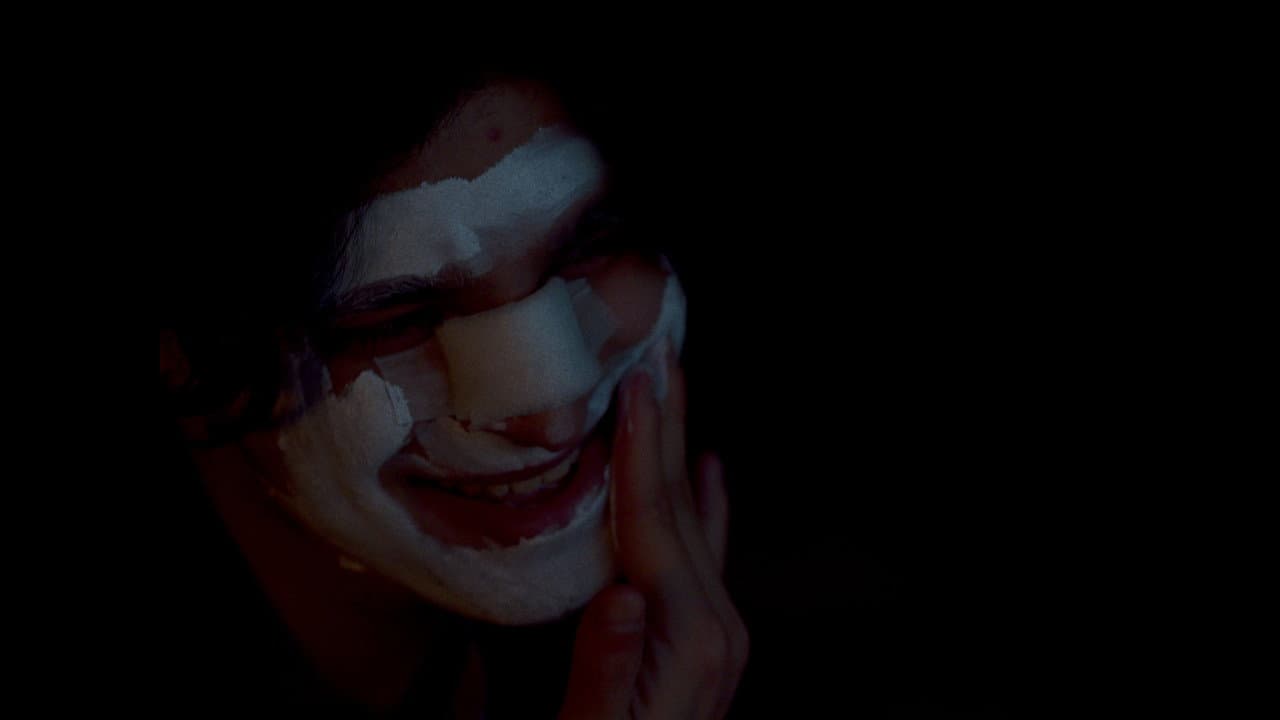
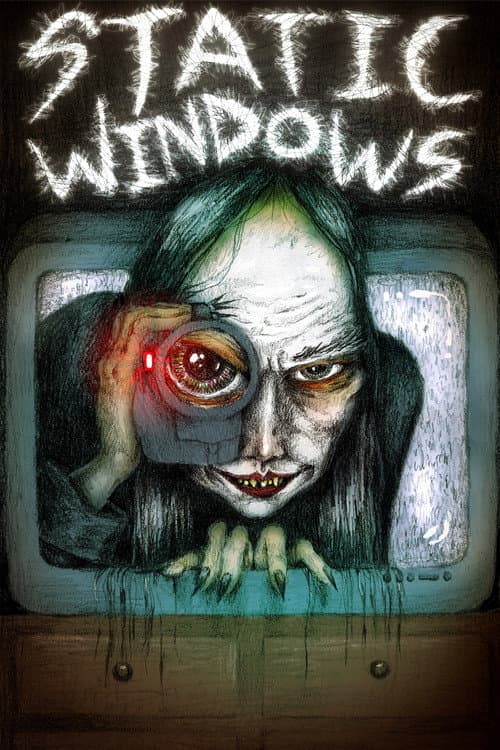
Horror cinema has always served as a cultural barometer, reflecting the deepest anxieties of its era. In the 1970s and 1980s, the genre grappled with institutional corruption and slasher paranoia; the 1990s and 2000s targeted technological unknowns like found footage and digital ghosts. As we approach the mid-2020s, a new terror has taken root: the realization that our most private moments are entirely accessible to unseen, faceless observers. Enter Static Windows, scheduled for a theatrical release on June 20, 2026. This upcoming psychological thriller and horror hybrid promises to tap directly into our collective digital dread, framing the glow of a computer monitor or a dark bedroom window not as a portal to the world, but as a threshold for intrusion. The premise follows a solitary insurance desk worker who, at 3:13 AM, spots a pale figure filming him from the gloom outside. What begins as a disturbing nocturnal anomaly spirals into an obsessive, reality-bending investigation that blurs the boundary between the observer and the observed.
The Anatomy of Cyber-Paranoia: Moving Beyond the Jump Scare
For Central Asian and international audiences alike, the psychological landscape of modern cities offers a fertile breeding ground for stories of alienation. In our rush toward hyper-connectivity, dense urban high-rises and isolated suburban developments foster a peculiar brand of modern loneliness. We live surrounded by millions, yet remain profoundly disconnected, illuminated only by the cold blue light of smartphones and laptops. Static Windows leans heavily into this existential irony. Rather than relying on cheap jump scares or supernatural monsters that can be defeated with brute force, the film positions its horror in the gradual dissolution of safety within one's own sanctuary. The home—traditionally a cinematic refuge from the dangers of the outside world—is systematically compromised, turning every windowpane into a two-way mirror.
This narrative approach echoes a rich lineage of paranoid thrillers, drawing thematic bloodlines from Alfred Hitchcock’s Rear Window to David Fincher’s Panic Room and modern digital-age nightmares like Host or Kimi. However, Static Windows modernizes the trope by focusing on the mundane routine of white-collar bureaucracy juxtaposed with nocturnal surrealism. The protagonist’s day job in insurance—a profession built entirely around calculating risk, assessing damage, and anticipating disaster—makes his psychological unraveling all the more poignant. When the predictable metrics of corporate life collide with an irrational, creeping stalker, the character's internal stability fractures. The film asks a deeply uncomfortable question for contemporary viewers: how well do we actually know the digital footprints we leave behind, and who is collecting the data of our daily routines?
Production Context and What to Expect at the Box Office
As the June 20, 2026 release date approaches, industry analysts are watching closely to see how mid-budget original horror will perform against heavy franchise competition. In recent years, independent and conceptual horror films have proven that high-concept psychological thrillers can dominate global box offices on relatively modest budgets. By stripping away massive CGI spectacles in favor of atmospheric dread, claustrophobic sound design, and relentless tension, Static Windows aims to capture the elusive Gen Z and millennial demographic that treats cinema-going as an immersive, communal ritual of shared anxiety.
- Release Date: June 20, 2026
- Primary Genres: Psychological Thriller, Horror
- Thematic Focus: Digital voyeurism, urban alienation, insomnia, and surveillance paranoia
- Target Audience: Fans of elevated horror, neo-noir, and modern psychological mysteries
Ultimately, Static Windows arrives at a time when audiences are increasingly fatigued by superhero fatigue and recycling nostalgia. Viewers are craving cinema that speaks directly to contemporary existential conditions—the pervasive feeling of being watched, tracked, and cataloged. Whether the film ultimately answers the cryptic riddles of its 3:13 AM stalker or leaves audiences stranded in ambiguous terror, its premise alone guarantees that moviegoers will think twice before opening their blinds at night. Mark your calendars for June 20, 2026, and prepare to lock your doors, because the watcher outside is waiting.