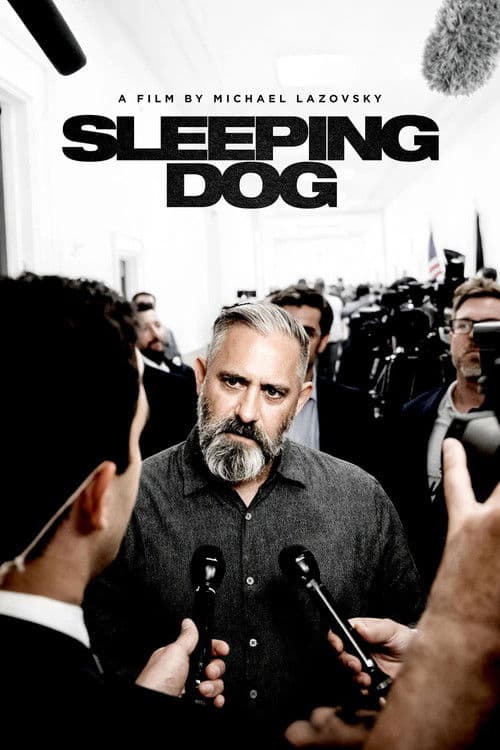
When the cinematic history of the modern unidentified anomalous phenomenon (UAP) disclosure movement is finally written, few figures will loom as large or polarize opinion quite as sharply as Jeremy Corbell. Slated for release on May 15, 2026, the upcoming feature documentary Sleeping Dog promises to trace the extraordinary trajectory of a man who transitioned from the brutal, visceral world of mixed martial arts to the equally combative arena of governmental transparency and whistleblower advocacy. For cinephiles and documentary enthusiasts alike, this project represents more than a mere biographical portrait; it serves as a critical examination of how modern investigative filmmaking operates at the intersection of national security, public curiosity, and pop culture myth-making.
The Evolution of Investigative Documentary and the Corbell Phenomenon
To understand the weight of Sleeping Dog, one must look closely at how the documentary genre has evolved over the past decade regarding fringe topics. Once relegated to late-night television slots or obscure internet corners, the pursuit of extraterrestrial and anomalous truths has broken into the mainstream, largely fueled by high-profile congressional hearings and military whistleblowers stepping forward. Corbell, alongside filmmaker and journalist George Knapp, has positioned himself as a central node in this network, acting as both documentarian and active participant in the unfolding narrative. This blurring of lines between observer and subject often draws criticism from traditional journalists, yet it remains Corbell's defining methodological signature. He does not merely report on history; he aggressively pushes the timeline forward, capturing classified leaks, tense congressional corridors, and midnight desert investigations with the urgency of a political thriller.
- Project Title: Sleeping Dog
- Global Release Date: May 15, 2026
- Subject Focus: Jeremy Corbell, UAP disclosure battle
- Genre: Investigative Documentary
The cinematic lineage of this film connects directly to previous works like Bob Lazar: Area 51 & Flying Saucers and Imminent, where Corbell mastered a distinct visual and auditory grammar. Heavy bass drops, dramatic pacing, and relentless interrogation of authority figures characterize his films, turning dry bureaucratic stonewalling into high-stakes dramatic conflict. In Sleeping Dog, the personal stakes appear significantly higher, focusing inward on the psychological and physical toll of operating at the bleeding edge of state secrets. For Central Asian and international audiences watching the global conversation around non-human intelligence unfold through US media channels, this film offers a fascinating look at the mechanisms of American institutional secrecy and the independent insurgents trying to dismantle it from the outside.
The Global Context and Cinematic Legacy of UAP Cinema
The release of Sleeping Dog arrives at a time of unprecedented global appetite for transparency regarding national security anomalies. As governments from Washington to Tokyo establish official offices to study unexplained incursions into restricted airspace, the cultural landscape has shifted to accommodate narratives that were once dismissed as science fiction. For viewers across the CIS and Central Asia—regions with rich, untold histories of Soviet-era aerospace anomalies and secret military research facilities—Corbell's crusade resonates on a deeply philosophical level. It touches on universal anxieties regarding state power, hidden technology, and humanity's place in a vast, indifferent cosmos. Furthermore, the film's title itself serves as a warning against disturbing forces that powerful institutions would prefer left undisturbed, playing directly into the classic cinematic tradition of political whistleblowing epitomized by masterpieces like All the President's Men or The Insider, albeit updated for the drone and internet era.
As we approach the May 15, 2026 premiere, industry analysts are watching closely to see whether Sleeping Dog will secure a major streaming platform distribution deal or follow the independent, direct-to-consumer digital release strategy that defined Corbell's earlier projects. Regardless of the distribution vector, the film is guaranteed to spark intense debate across cinematic forums, scientific societies, and social media platforms. It challenges viewers to question the nature of institutional authority and examines the personal cost borne by those willing to rattle the cage of the military-industrial complex. Whether one views Corbell as a tireless crusader for truth or an enthusiastic showman capitalizing on modern paranoia, Sleeping Dog is shaping up to be one of the most provocative and fiercely discussed documentary releases of the mid-2020s.