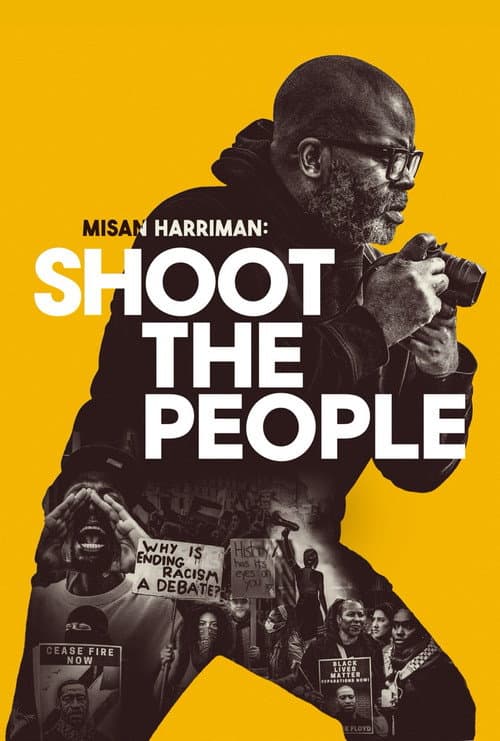
When the history of visual culture in the 2020s is finally written, the lens of British-Nigerian photographer Misan Harriman will undoubtedly occupy a central chapter. Rising to global prominence during the watershed moments of the Black Lives Matter uprisings, Harriman captured images that did not merely document history; they actively participated in shaping public conscience. Now, the cinematic world turns its attention toward his upcoming feature-length documentary, scheduled for a June 19, 2026 release. Titled 'Shoot the People', the project steps away from the still frame to examine the pulsing, chaotic, and deeply inspiring heartbeat of global protest movements. For international cinephiles and cultural observers, this release arrives at a time when the mechanics of public dissent are undergoing a radical, digital-first transformation.
The Aesthetics of Urgent Storytelling
Documentary filmmaking focusing on social justice often walks a fine line between journalistic detachment and emotional advocacy. However, 'Shoot the People' benefits immensely from Harriman's unique perspective as both an insider artist and an external observer of human suffering and resilience. The film avoids the dry, academic tone that frequently plagues political documentaries, opting instead for a visceral, immersive visual language. By weaving together high-stakes ground-level footage with intimate biographical insights, the production illustrates the psychological toll and the transcendent joy experienced by frontline activists. It examines how a single properly framed photograph can galvanize millions, shifting the needle from localized grievance to transnational solidarity.
Furthermore, the project situates contemporary civil rights struggles within a rich historical continuum. It draws vital parallels between the anti-apartheid campaigns of the twentieth century, the civil rights marches of the 1960s, and the decentralized, smartphone-wielding resistance networks of the modern era. This structural choice prevents the documentary from feeling like a mere montage of recent headline news. Instead, it provides audiences with a comprehensive masterclass in how human rights are invariably hard-won through collective sacrifice, strategic organization, and unrelenting public visibility.
Digital Activism and the CIS Cultural Landscape
For audiences across Eastern Europe, the Caucasus, and Central Asia, the themes explored in 'Shoot the People' strike a resonant, albeit complex, chord. In nations where civic space is frequently monitored, restricted, or digitally surveilled, the intersection of art, technology, and public protest carries unique stakes. Grassroots organizers in regions navigating transitional politics often look to global movements not just for tactical inspiration, but for validation of their own local struggles for dignity and institutional accountability. The documentary's deep dive into digital activism—how encrypted messaging apps, viral media algorithms, and crowdsourced documentation protect and empower marginalized groups—offers practical philosophical resonance far beyond Western metropolitan centers.
- Project Title: Shoot the People
- Release Date: June 19, 2026
- Key Figure: Misan Harriman (Photographer, Activist)
- Primary Focus: Global grassroots protest movements, civil rights, intersectional social justice
- Format: Feature-length documentary with archival and digital media analysis
As the cinematic industry continues to grapple with its responsibility toward social relevance, films like 'Shoot the People' prove that documentary non-fiction can be both a high-art aesthetic triumph and an urgent political catalyst. The upcoming June premiere will undoubtedly spark rigorous global conversations about the ethics of image-making and the enduring power of ordinary citizens standing together against systemic inertia. As viewers prepare to witness Harriman's journey unfold on the big screen, the overarching takeaway is clear: the camera is not merely a tool for observation, but an essential instrument for societal transformation.