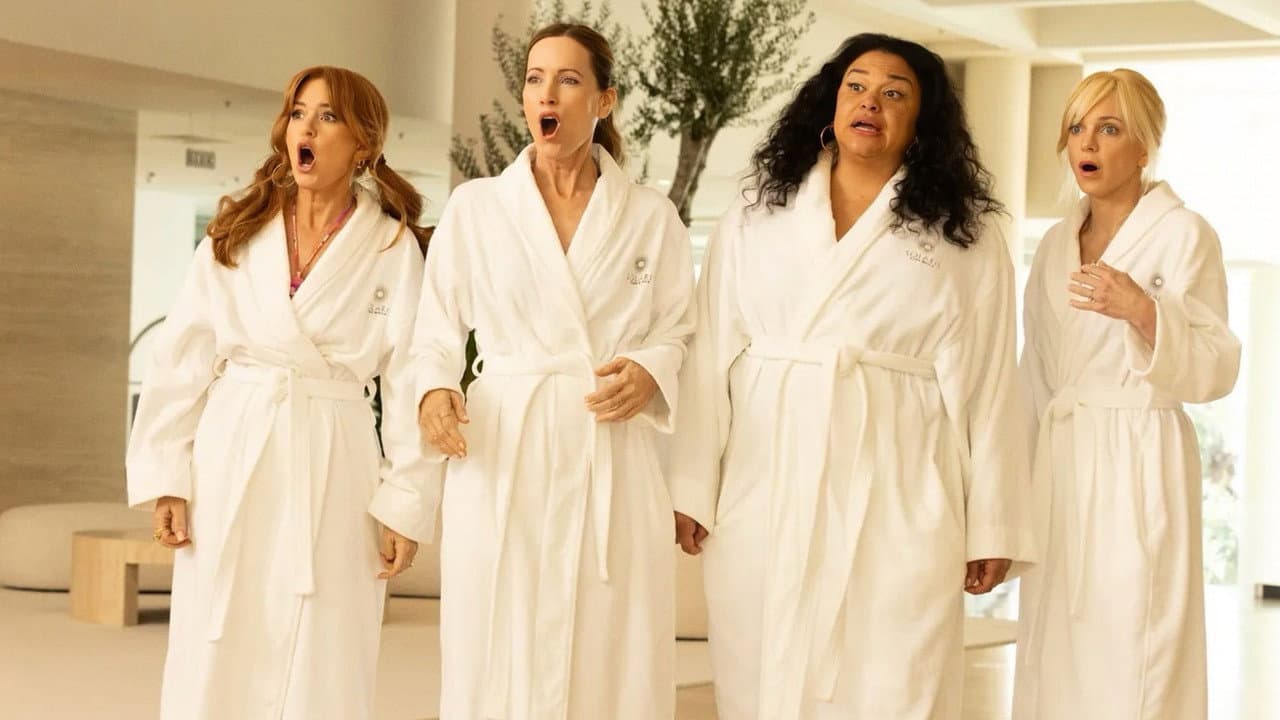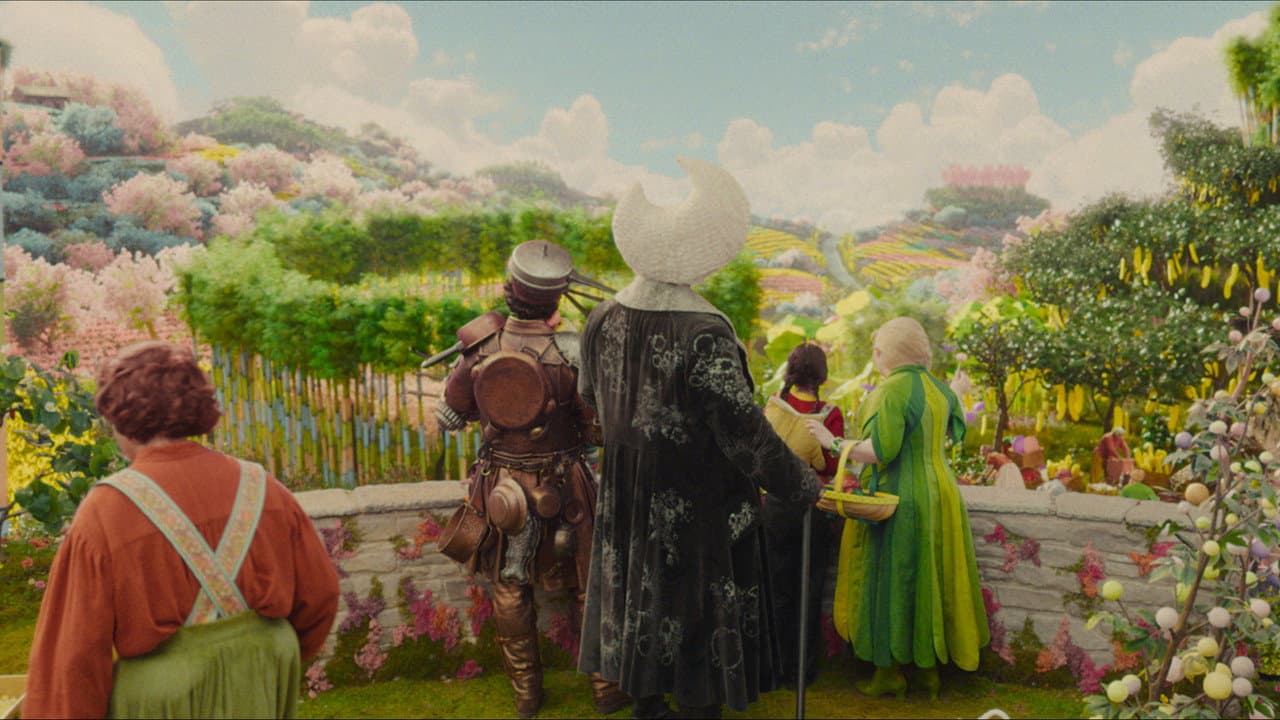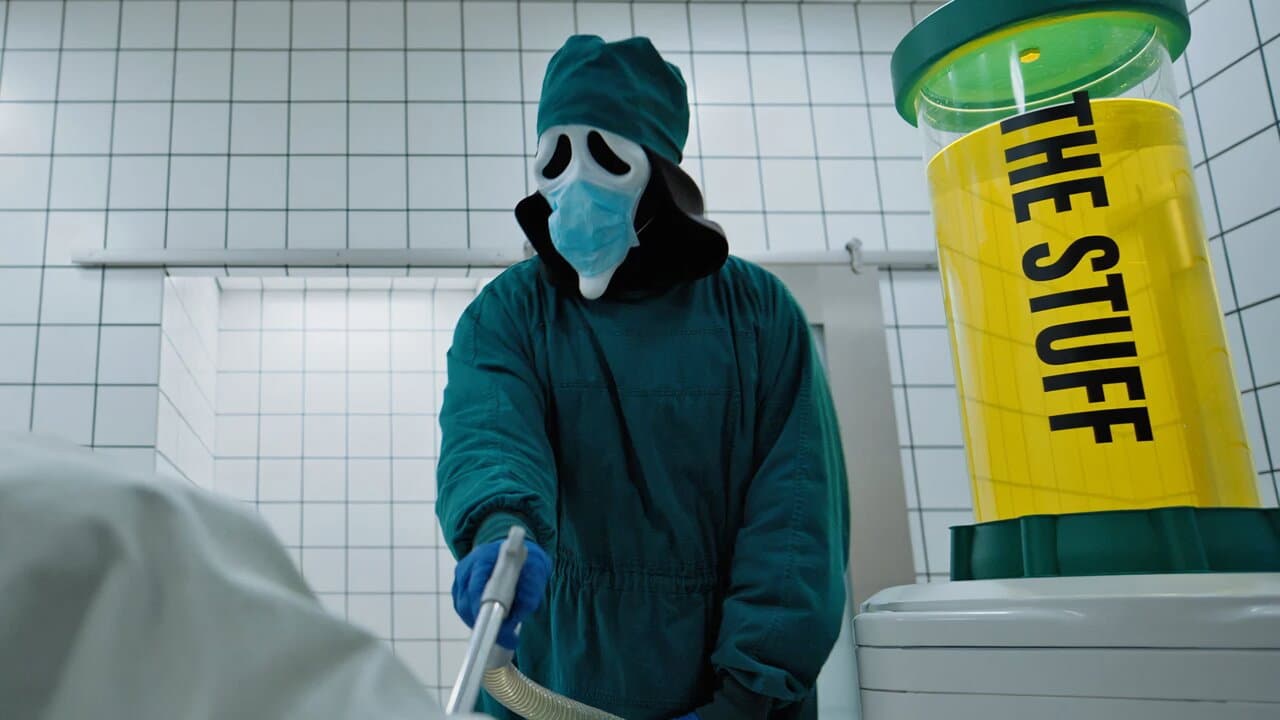
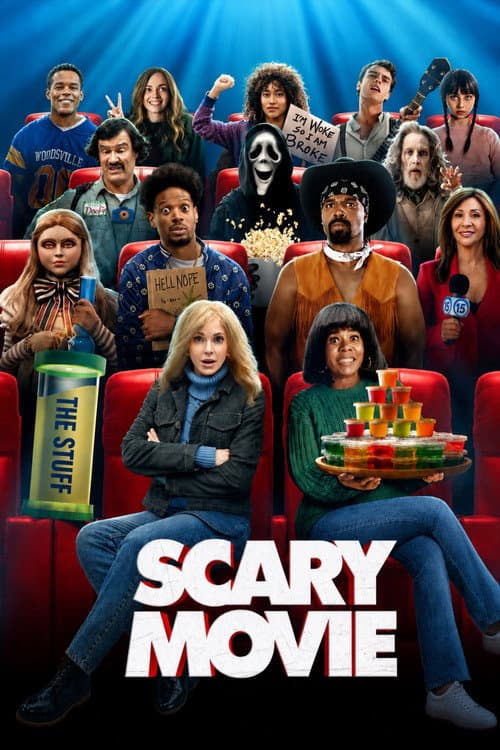
When the original Scary Movie hit theaters in the year 2000, it arrived like a comedic wrecking ball, demolishing the earnest pretensions of late-90s teen slashers like Scream and I Know What You Did Last Summer. Directed by Keenen Ivory Wayans and masterminded by the Wayans family, the film proved that audiences were hungry to laugh at the very tropes they had spent years trembling over. It spawned a massive, albeit increasingly diminishing, franchise that traded clever subversion for low-brow gross-out gags. Now, more than two decades after the cultural zeitgeist moved on and left the parody genre largely dead in the water, Paramount Pictures and Miramax are betting big on nostalgia, announcing a June 5, 2026 theatrical release date that brings back the original Core Four to face a newly weaponized Hollywood cinematic landscape.
The Anatomy of a Parody Revival and the Modern IP Minefield
Reviving a dormant comedy franchise in the mid-2020s is an exercise fraught with peril. The cinematic ecosystem has fundamentally shifted since the Wayans brothers last touched the series. Back in 2000, mainstream horror was dominated by straightforward slashers and supernatural thrillers. Today, the landscape is defined by sprawling interconnected universes, elevated horror darlings from studios like A24, legacy sequels, and relentless corporate reboots. When everything from superhero blockbusters to indie grief-trauma dramas relies on pre-established intellectual property, the target for satire has multiplied exponentially. The upcoming installment faces the ultimate challenge: how do you mock a film industry that has essentially become a self-parody?
For cinephiles across Eastern Europe and Central Asia—regions where American horror and blockbuster comedies historically played to packed houses on VHS cassettes and late-night television broadcasts—the return of Scary Movie evokes a distinct wave of nostalgic affection. Yet, contemporary audiences are far more media literate than their millennial predecessors. The challenge for the filmmakers behind this 2026 revival is avoiding the trap of dated internet memes and recycled slapstick. To resonate globally, the humor must transcend niche Western pop culture references and skewer universal cinematic tropes that transcend language barriers, much like the physical comedy and visual gags that made the original films international box-office sensations.
What to Expect from the 2026 Comeback
While plot details are being guarded with studio secrecy, industry insiders anticipate that the narrative will take direct aim at the modern horror industrial complex. From the omnipresent multiverses of Marvel and DC to the hyper-stylized dread of Ari Aster and Jordan Peele, the canvas is vast. The return of the original Core Four provides an emotional anchor, grounding the relentless absurdity in recognizable character dynamics. However, the true test will be whether the production team can recapture the anarchic, boundary-pushing energy of the original features without falling into the lazy, algorithmic joke-writing that plagued the later sequels produced after the Wayans family departed the franchise.
- Official Release Date: June 5, 2026
- Primary Genres: Comedy, Horror
- Production Studios: Paramount Pictures, Miramax
- Key Focus: Parodying contemporary horror IPs and cinematic universes
As the summer 2026 release date approaches, box-office analysts will be watching closely to see if nostalgic affection can translate into ticket sales in a crowded theatrical marketplace. If the film succeeds, it could trigger a renaissance for studio-level cinematic satire, proving that Hollywood still possesses the capacity to laugh at its own multi-million dollar creations. For now, horror fans and comedy enthusiasts alike should dust off their favorite masks, brush up on their cinematic history, and prepare for a cinematic roasting that promises to spare no sacred cow.