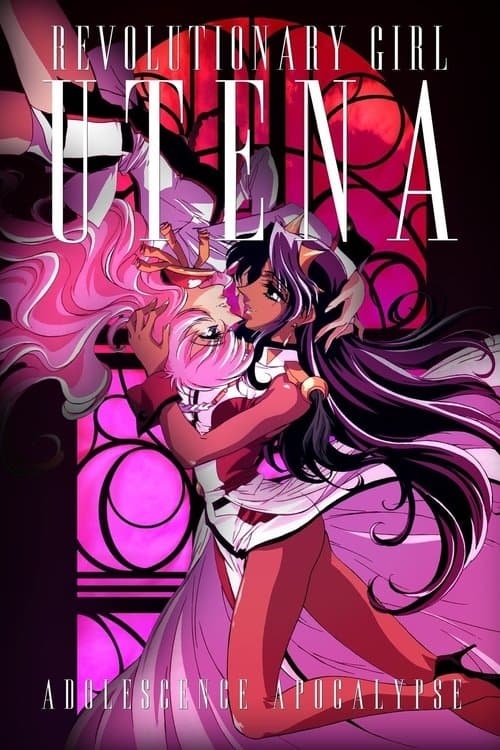
Anime history is bracing for a profound and deeply anticipated jolt as the legendary surrealist masterpiece prepares to re-enter the cultural zeitgeist. Slated for release on June 21, 2026, the upcoming cinematic adaptation of Revolutionary Girl Utena promises to plunge audiences back into the ornate, metaphor-laden corridors of Ohtori Academy. For cinephiles and veteran anime fans alike, this date marks a monumental calendar entry. The project looks to breathe new life into a property that fundamentally altered the trajectory of magical girl tropes and theatrical storytelling when it first emerged from the visionary mind of director Kunihiko Ikuhara and the Be-Papas collective in the late 1990s.
As contemporary animation continues to lean heavily into nostalgic reboots and safe IP milking, the return of Utena stands out as an outlier of genuine artistic pedigree. Unlike standard commercial franchises that prioritize predictable crowd-pleasing beats, the Utena universe has always thrived on ambiguity, subversion, and baroque visual poetry. The original television series and its subsequent 1999 film, Adolescence of Utena, pushed the boundaries of what serialized television could achieve regarding gender identity, institutional critique, and toxic relationships. This new cinematic venture arrives at a time when global audiences are increasingly receptive to complex, morally grey narratives and high-concept psychological fantasy, making its thematic resonance sharper than ever before.
Deconstructing the Ohtori Labyrinth: Themes and Cinematic Heritage
To fully appreciate the gravity of this 2026 theatrical revival, one must understand the towering legacy of the property it adapts. Revolutionary Girl Utena is far more than a simple narrative about a sword-wielding heroine fighting in mystical duels for the Rose Bride, Anthy Himemiya. It is a dense, theatrical tapestry woven with Greek mythology, fairy tale motifs, and biting social commentary about patriarchal structures. Utena Tenjou’s arrival at Ohtori Academy acts as a catalyst, disrupting a stagnant micro-society governed by invisible rules and predatory aristocrats like Touga Kiryuu. The duels themselves are never merely action sequences; they are externalized psychological battles representing adolescent trauma, societal expectations, and the agonizing process of breaking away from childhood illusions.
Director Kunihiko Ikuhara’s distinct directorial fingerprint—characterized by repeating stock footage used for thematic weight, floating shadow girls critiquing the action like a Greek chorus, and an intoxicating orchestral score by Shagao J.A. Seazer—created a grammar entirely its own. When evaluating how a modern production team will tackle this material, industry analysts point to the challenges of updating such a specific aesthetic without losing its idiosyncratic soul. Modern digital animation pipelines offer unprecedented opportunities for lush, painterly backgrounds and fluid sword choreography, yet the true test will lie in whether the new adaptation maintains the fearless, provocative intellectual rigor that made the original a timeless touchstone of feminist animation.
Global Resonance, CIS Fandom, and Industry Expectations
The cultural footprint of Revolutionary Girl Utena extends far beyond its Japanese origins, carving out a passionate, enduring fanbase across international territories, including Eastern Europe and Central Asia. During the late 2000s and 2010s, as anime fandom expanded rapidly via digital subcultures and enthusiast forums across the CIS region, Utena achieved cult status among viewers who craved mature, philosophical storytelling that treated animation as a serious medium for adults. For many cinephiles in Tashkent, Almaty, and beyond, discovering Utena was a formative milestone—an introduction to how animation could tackle complex matters of autonomy, queer coding, and existential dread with elegance and artistic daring.
As anticipation builds toward the June 2026 premiere, box office prognosticators and festival programmers are keeping a close watch on distribution strategies. Art-house animation has steadily carved out a profitable and prestigious niche globally, proving that sophisticated animated features can thrive outside traditional blockbuster parameters. Whether this new cinematic iteration serves as a direct entry point for a fresh generation of viewers or functions as a loving deconstruction for longtime devotees, its mere existence is a victory for adventurous filmmaking. Fans eagerly awaiting the release can look forward to exploring the following key production details as the premiere approaches:
- Official Release Date: June 21, 2026
- Core Premise: Ohtori Academy duels, the mystery of the Rose Bride Anthy, and childhood secrets tied to Touga Kiryuu
- Primary Genres: Animation, Drama, Fantasy, Romance
- Critical Benchmark: Building upon a legacy with a robust TMDB rating of 7.4/10 for the broader franchise
Ultimately, the upcoming release of Revolutionary Girl Utena in 2026 is more than a routine studio update; it is a cultural litmus test for whether contemporary cinema can still embrace high-concept avant-garde storytelling on a grand scale. As the release date draws closer, audiences are advised to revisit the labyrinthine halls of Ohtori Academy, readying themselves for a journey where every rose carries a thorn and every duel exposes the fragile architecture of the human heart.