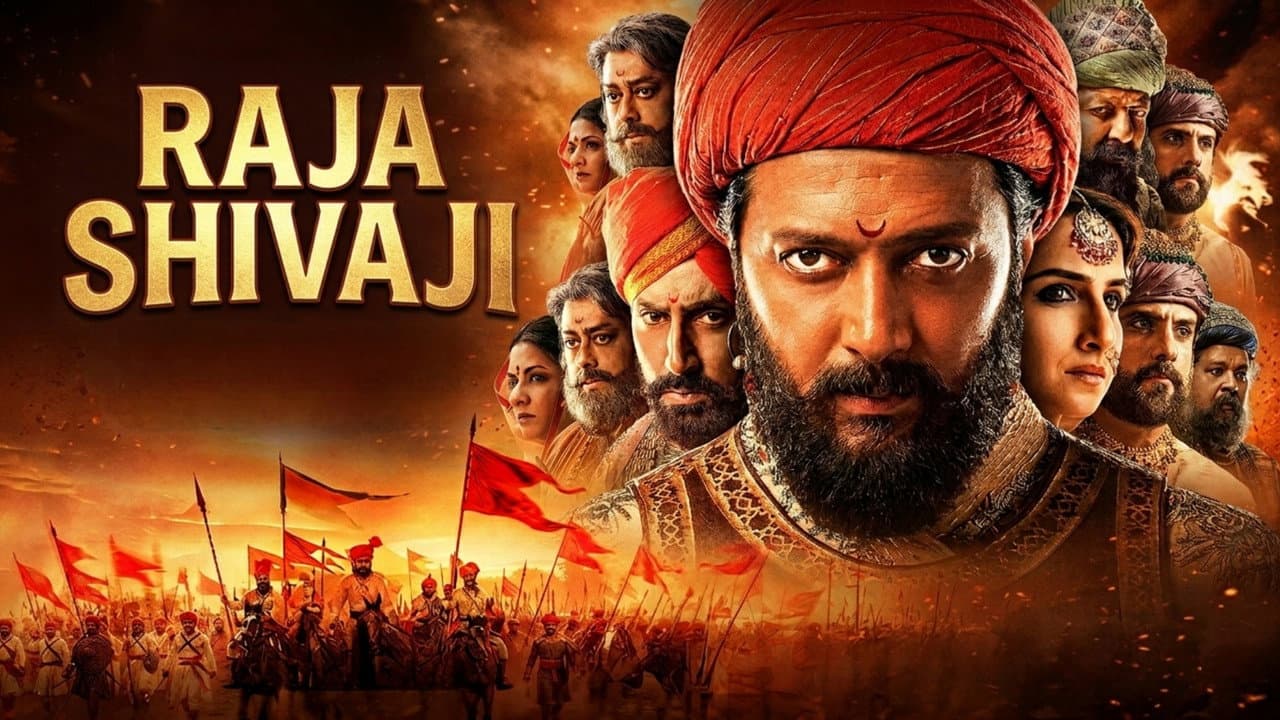
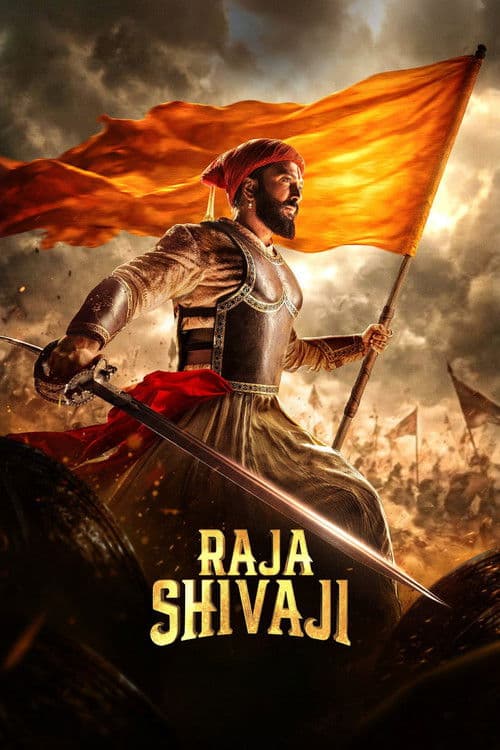
Cinema has always possessed a unique capability to resurrect the dead, breathing vibrant life into centuries-old chronicles and transforming textbook legends into flesh-and-blood heroes. With the theatrical arrival of Raja Shivaji, the Indian film industry plunges headfirst into the tumultuous 17th century, capturing the formative years of Shivaji Bhonsale—a visionary strategist who dared to defy massive imperial hegemonies to forge the Maratha Empire. For international cinephiles and audiences across the post-Soviet space, who share a rich cultural appreciation for grandiose historical narratives and sagas of state-building, this feature serves as a masterclass in modern epic filmmaking. Moving far beyond simplistic good-versus-evil tropes, the production delves into the gritty geopolitical chess match of medieval South Asia, where diplomacy was as lethal as a curved sword and survival demanded relentless tactical genius.
Reconstructing History on a Grand Scale
Bringing the foundational myth of Swarajya, or self-rule, to the silver screen required an unprecedented mobilization of resources, meticulous historical research, and a sophisticated visual language. Unlike standard biographical pictures that rely heavily on dialogue-heavy exposition, Raja Shivaji utilizes sweeping battle choreography, breathtaking production design, and authentic period costume recreation to immerse viewers directly into the dust and chaos of the Deccan plateau. The filmmakers collaborated closely with historians, fortress conservationists, and traditional armorers to ensure that every hill fort, musket, and standard bore the distinct imprint of the era. This commitment to tangible authenticity elevates the movie from a mere nationalistic spectacle to an anthropological deep dive into how guerrilla warfare and grassroots mobilization can fracture centralized imperial dominance.
The narrative structure deliberately avoids rushing through the protagonist's entire life, choosing instead to focus tightly on the crucible years of his youth—a brilliant storytelling decision that highlights the psychological transformation of a localized chieftain into an empire builder. By examining the alliances he forged with marginalized hill tribes and the tactical innovations he introduced against heavily armored cavalry, the script offers a universal blueprint of resistance and sovereignty. In regions like Central Asia and Eastern Europe, where historical memory is deeply intertwined with tales of nomadic resilience, fragmentation, and the eventual unification of fragmented principalities, Shivaji's journey resonates with striking familiarity and emotional weight.
Production Pedigree and Key Details
A project of this magnitude naturally attracts top-tier technical talent and a powerhouse ensemble capable of balancing raw dramatic intensity with regal dignity. The film's backbone lies in its meticulous crew selection, bringing together veteran cinematographers and action directors renowned for their work on India's biggest historical blockbusters.
- Subject Matter: The early life and military campaigns of Shivaji Bhonsale
- Core Theme: The genesis of Swarajya (self-rule) and resistance against imperial oppression
- Visual Approach: Blend of practical stunt work, gritty cinematography, and subtle CGI
- Target Audience: Global history enthusiasts and lovers of grand-scale historical dramas
As theatrical windows shift and global audiences increasingly embrace culturally specific storytelling delivered with universal cinematic grammar, Raja Shivaji stands out as a prime example of regional cinema scaling international heights. It proves that local struggles for freedom and identity possess boundless cross-cultural appeal, provided they are told with directorial conviction and technical brilliance. For viewers looking to expand their cinematic horizons beyond standard Hollywood fare, this epic offers a thrilling window into a fascinating chapter of world history that shaped the destiny of the Indian subcontinent for centuries to come.