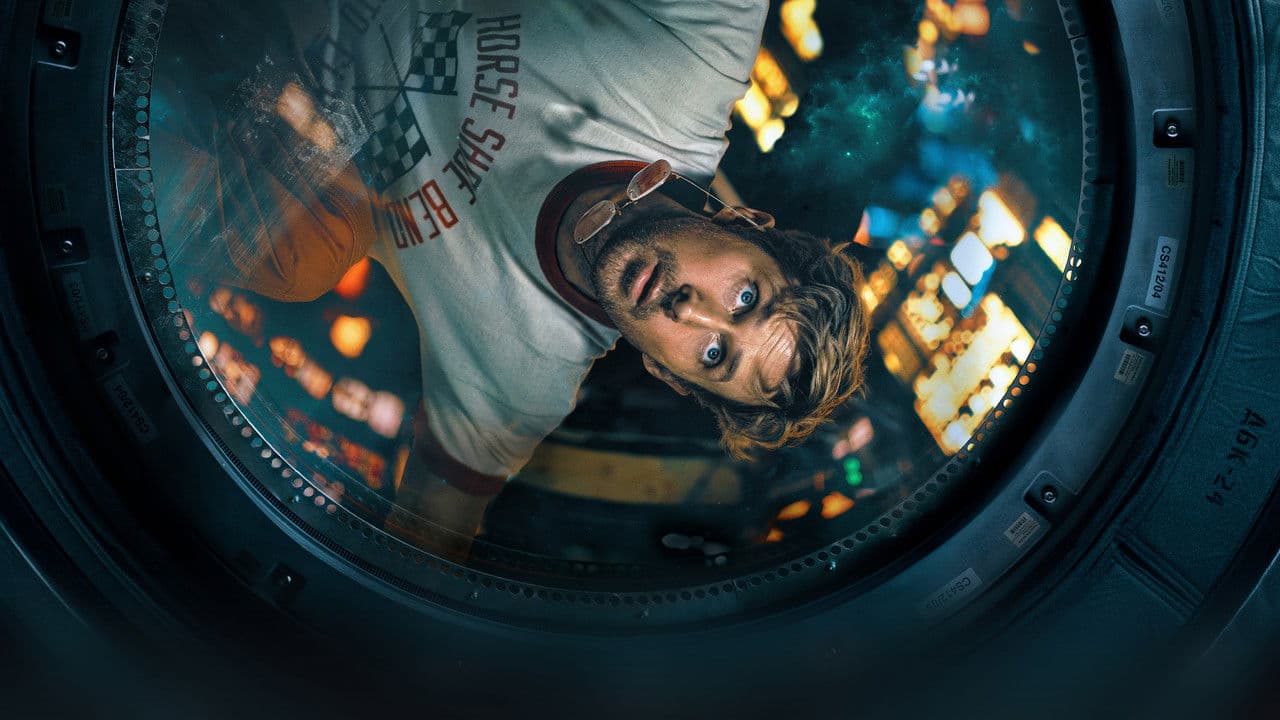
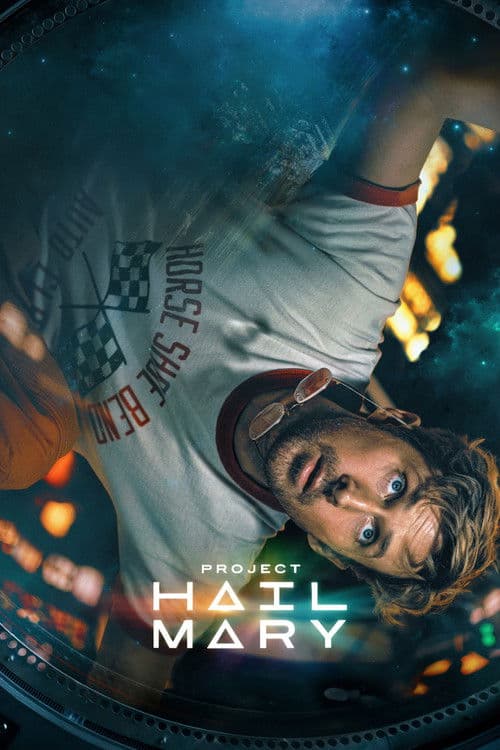
When Andy Weir published The Martian, it revolutionized contemporary science fiction by proving that meticulous attention to orbital mechanics, botany, and chemistry could drive a mainstream narrative just as effectively as laser battles or warp drives. Now, Hollywood has returned to the author's rigorous intellectual property sandbox with the big-screen adaptation of Project Hail Mary. Directed by the visionary duo Phil Lord and Christopher Miller, the film transports audiences deep into the interstellar void alongside Ryland Grace, a molecular biologist turned middle school science teacher who wakes from an induced coma aboard a dying spacecraft with total retrograde amnesia. As fragments of his memory slowly piece themselves together, the high-stakes reality of his deep-space assignment comes into razor-sharp focus: he is humanity's solitary lifeline, tasked with discovering why the sun is losing its luminosity and engineering a biological countermeasure against a voracious space-faring microorganism known as Astrophage.
The Creative Engine: Lord, Miller, and Gosling
Translating Weir's dense, problem-solving-heavy prose to the cinematic medium required a directing duo capable of balancing existential dread with intellectual exuberance. Phil Lord and Christopher Miller, universally celebrated for injecting kinetic visual flair and profound heart into projects like The Lego Movie and Spider-Man: Into the Spider-Verse, approach Project Hail Mary with a distinct creative ethos. Rather than relying on hollow CGI spectacle, the filmmakers anchor the narrative in tactile, grounded physics and the psychological isolation of deep-space exploration. Ryan Gosling, who also serves as a producer on the project, steps into the role of Ryland Grace, bringing his signature understated intensity and everyman vulnerability to a character who must continually reinvent his own heroism. The production design reflects this dedication to realism, utilizing massive practical sets and cutting-edge virtual production techniques to simulate the zero-gravity environment of the Hail Mary spacecraft.
What elevates Project Hail Mary above standard Hollywood popcorn fare is its thematic obsession with scientific collaboration and interplanetary altruism. Without spoiling the delicate narrative twists that define the second half of the novel, the film explores how intelligent species across different corners of the cosmos might overcome linguistic and biological barriers to achieve mutual survival. The supporting cast brings vital dramatic weight to the Earth-bound flashback sequences that explain how humanity mobilized its resources in the face of planetary extinction. Screenwriter Drew Goddard, who previously adapted The Martian for Ridley Scott, returns to Weir's universe, ensuring that the razor-sharp scientific wit and pacing remain intact throughout the cinematic transition.
Production Facts and Theatrical Expectations
- Starring: Ryan Gosling, Sandra Hüller, Milana Vayntrub
- Directors: Phil Lord and Christopher Miller
- Screenplay: Drew Goddard (based on the novel by Andy Weir)
- Studio: Amazon MGM Studios
- Genre: Hard Science Fiction / Interstellar Drama
As multiplexes worldwide fill seats for Project Hail Mary, the cinematic landscape is reminded that audiences retain an insatiable appetite for smart, optimistic science fiction. In an era dominated by superhero fatigue and cynical reboots, a blockbuster that champions the scientific method, cross-species empathy, and the sheer power of human curiosity feels remarkably refreshing. For Central Asian cinephiles and international audiences who grew up on the rich cosmic traditions of Soviet speculative fiction—from Stanislaw Lem to the Strugatsky brothers—this film offers a thrilling modern equivalent, merging high-concept philosophy with state-of-the-art Hollywood craftsmanship. As Ryland Grace charts his lonely course across the stars, he reminds us that even in the absolute darkest expanses of the universe, ingenuity and friendship can illuminate the way forward.