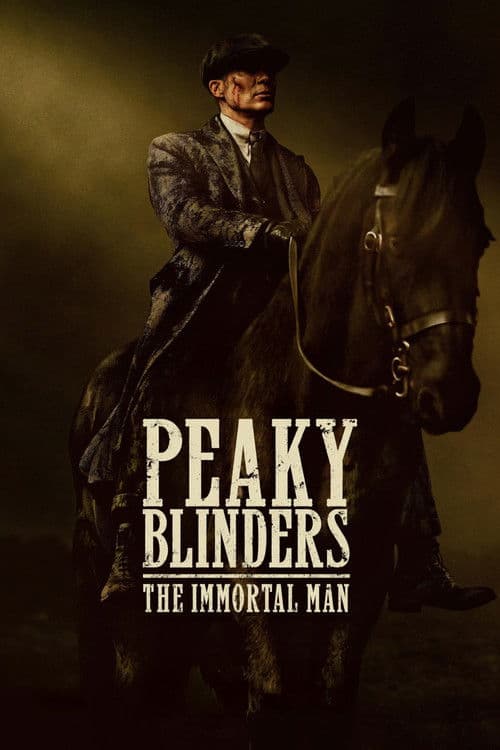
When the BBC series concluded its sixth television run in 2022, fans of Steven Knight's gritty period crime drama felt a profound sense of unfinished business. The atmospheric fog of Small Heath had cleared, but the psychological wounds of Thomas Shelby remained raw. Now, television's most charismatic antihero has made the monumental leap to the silver screen in Peaky Blinders: The Immortal Man. This theatrical event is not merely a nostalgic victory lap for loyal viewers, but a calculated expansion of a modern television masterpiece into large-format cinema. Directed with visceral intensity and penned by Knight himself, the film scales up the intimate family betrayals of the television era into a sweeping geopolitical thriller that tests the very limits of cinematic storytelling.
From Small Heath to the Silver Screen: The Making of an Epic
The transition from a serialized television format to a self-contained feature film is notoriously difficult, yet Steven Knight navigates the shift with structural confidence. Television allows for slow-burn character development and sprawling narrative detours, but feature films demand acute focus and unrelenting momentum. The Immortal Man achieves this by anchoring its massive historical stakes to a deeply personal emotional core. Set against the turbulent backdrop of a recovering post-war Britain, the narrative finds Tommy Shelby in self-imposed exile, seeking peace far away from the criminal underworld that defined his youth. However, cinematic destiny rarely allows for retirement. When an estranged son is recklessly drawn into a dangerous, underground Nazi plot operating within the shadows of the British establishment, the legendary gangster is forced to resurrect his old persona. Watch Trailer:
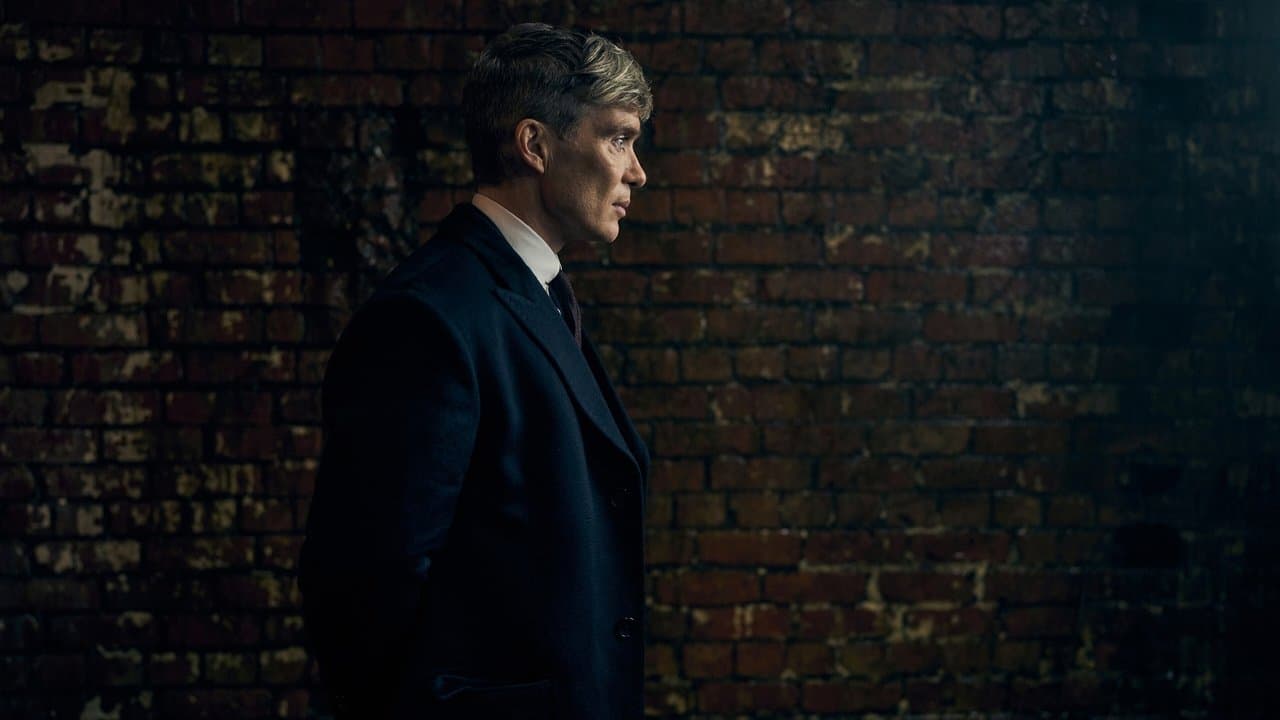
This narrative setup allows the production to leverage the visual language of cinema in ways the television budget previously constrained. Cinematographer Ashley Rowe paints post-war Birmingham and London with striking expressionistic shadows, blending the grime of industrial soot with the sleek, fascist aesthetics of the era's emerging political extremists. The production design feels remarkably tangible, capturing a nation on the brink of profound ideological transformation. It is a story about the ghosts of the past colliding with the terrifying totalitarian architectures of the future, positioning Tommy Shelby not just as a mob boss, but as a reluctant guardian of democratic survival against encroaching darkness.
The Cast, Crew, and Franchise Future
Cillian Murphy returns to his career-defining role with a haunting, weathered intensity that elevates the film beyond standard genre fare. His portrayal of the shell-shocked veteran turned ruthless mastermind has earned legendary status in contemporary television history, and his cinematic performance is arguably his most compelling yet. He is joined by an exceptional ensemble cast blending returning fan-favorites with powerful new antagonists who embody the rising tide of European fascism.
- Director: Tom Harper
- Writer / Creator: Steven Knight
- Lead Cast: Cillian Murphy, Paul Anderson, Sophie Rundle, alongside new additions
- Cinematography: Ashley Rowe
- Studio: Caryn Mandabach Productions / Netflix
As the curtains close on this monumental cinematic chapter, the legacy of the Peaky Blinders universe only continues to grow. Steven Knight has successfully proven that television universes can transcend the small screen without losing their distinctive artistic identity. For audiences worldwide, the theatrical release of The Immortal Man serves as a masterclass in how to honor a beloved television legacy while boldly charting a fresh, cinematic path forward. Whether this marks the definitive end of the Shelby saga or merely the opening salvo of a broader cinematic universe, one undeniable truth remains: by order of the Peaky Blinders, cinema has rarely felt this dangerous.