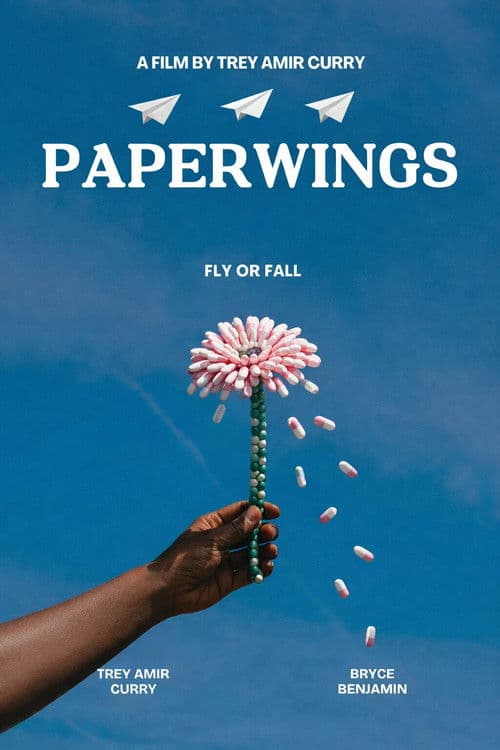
When the cinematic calendar fills up with multi-million-dollar superhero tentpoles and loud franchise expansions, it is often the quiet, suffocating chamber dramas that leave the deepest emotional bruises. Slated for release on June 6, 2026, Paperwings arrives with little of the marketing noise of its summer blockbusters peers, yet it commands attention through sheer thematic gravity. Directed with a scalpel-sharp focus on human frailty, the film plunges audiences into the stifling confines of a single apartment where two young men wage a silent, desperate war against chemical dependency and their own intertwined histories. As the industry shifts toward experiential event cinema, this stark indie drama proves that the most terrifying monsters are not outer-space invaders, but the invisible ghosts of relapse and codependency hiding inside our own domestic spaces.
The Anatomy of Claustrophobic Cinema: Setting as a Psychological Cage
For decades, independent filmmaking has utilized spatial confinement to heighten dramatic tension, transforming mundane interiors into psychological pressure cookers. From Roman Polanski's apartment trilogy to modern indie breakthroughs like Sean Baker’s early works or Safdie brothers' frantic urban odysseys, physical restriction has always mirrored internal chaos. In Paperwings, the setting is not merely a background; it is effectively a third character. The apartment is depicted as a shrinking organism, its walls closing in as Jay and Alex navigate the treacherous landscape of early sobriety versus total numbness. This visual strategy draws heavily on theatrical traditions, specifically the plays of Eugene O'Neill or Tennessee Williams, where characters are trapped together until long-suppressed truths finally detonate. Cinematographically, the film employs tight focal lengths, shallow depth of field, and a muted, bruised color palette that makes every shadow feel heavy and oppressive. By restricting the narrative geography, the filmmakers force the audience into an uncomfortable intimacy, eliminating any cinematic escape hatches.
The central dynamic relies entirely on the volatile push-and-pull between Jay, who is actively white-knuckling his way through recovery, and Alex, whose emotional detachment serves as a protective armor that ultimately injures everyone in his orbit. Addiction narratives in contemporary cinema frequently fall into two distinct traps: either sensationalizing the rock-bottom hedonism or sugarcoating recovery into a neat, triumphant arc complete with a sunset monologue. Paperwings deliberately sidesteps these clichés by examining the grey area in between—the agonizing plateau of maintenance. Codependency is dissected not as a moral failing, but as a complex psychological entanglement where loving someone can paradoxically mean enabling their destruction. The script treats both men with profound empathy, refusing to assign clear-cut heroes or villains, which elevates the material from a standard after-school special into a complex psychological study.
Production Context and What to Watch Next
Indie productions tackling substance abuse often struggle to secure mainstream distribution in an era dominated by algorithmic streaming acquisitions and theatrical consolidation. The decision to grant Paperwings a dedicated June release window indicates a growing confidence among arthouse distributors that audiences are hungry for emotionally challenging, character-driven storytelling during the peak popcorn season. This counter-programming strategy historically benefits films that rely on word-of-mouth momentum, critics' circles, and festival buzz.
- Release Date: June 6, 2026
- Genre Focus: Psychological Drama, Queer Romance
- Core Themes: Substance Recovery, Domestic Codependency, Survival
- Target Audience: Fans of intimate character studies and independent European and American arthouse cinema
As the film prepares to hit screens this summer, it stands alongside a lineage of powerful addiction dramas that refuse easy resolutions. For viewers seeking similar emotionally resonant and unflinching portrayals of human struggle, cinematic companions like Andrew Haigh's Weekend, Felix van Groeningen's The Broken Circle Breakdown, or the harrowing naturalism of Ryusuke Hamaguchi's early character pieces offer complementary viewing. Paperwings may not offer the comforting escapism of summer tentpoles, but for audiences willing to sit in the discomfort of its cramped apartment walls, it promises an unforgettable cinematic reckoning.