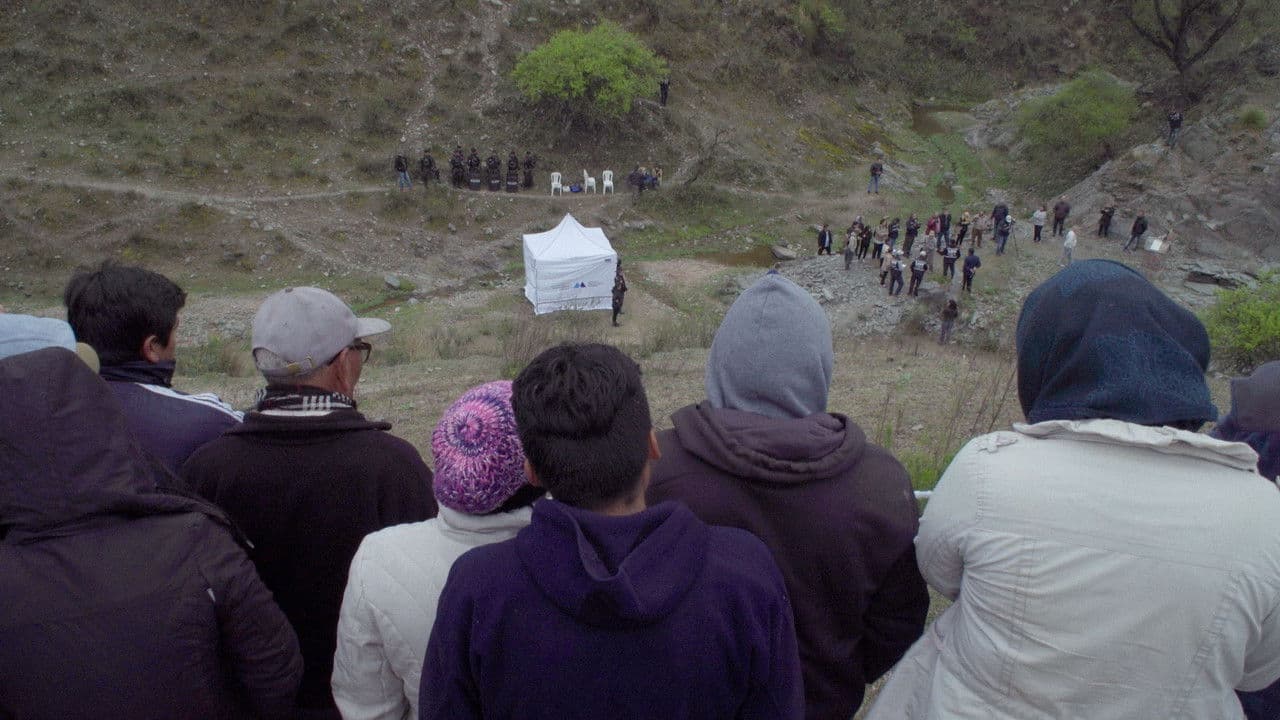
Cinema has long served as a mirror for society, but the most urgent documentary filmmaking acts as a battering ram against systemic impunity. The upcoming release of Our Land, scheduled for theaters and digital platforms on May 1, 2026, promises to be one of the most searing cinematic investigations of the decade. Directed with rigorous investigative zeal, the film centers on a harrowing historical injustice: the 2009 murder of Javier Chocobar, a prominent leader of the Indigenous Diaguita community of Chuschagasta in northern Argentina. Armed assailants operating under the fraudulent claim of land ownership brazenly gunned down Chocobar in broad daylight, an execution captured entirely on video. Yet, despite the undeniable visual evidence, the perpetrators walked free for nearly a decade, protected by institutional apathy and entrenched colonial power structures. For audiences in Central Asia and the broader CIS region, where questions of land tenure, agricultural privatization, and the erasure of traditional pastoralist rights carry profound historical resonance, this documentary offers a chillingly familiar portrait of how state machinery often protects corporate and private encroachment over marginalized communities.
Cinema as Evidence: The Aesthetics of Counter-Memory
What elevates Our Land above standard true-crime reportage is its deliberate subversion of traditional documentary grammar. Rather than relying on talking-head interviews with outside experts, the filmmakers turn the camera over to the victims and survivors themselves, constructing an audiovisual tapestry out of family photographs, community oral histories, and stark archival records. This methodology transforms the screen into a platform for counter-memory, a deliberate pushback against the official histories written by dominant political classes. The integration of actual courtroom footage from the delayed 2018 proceedings provides a fascinating structural friction within the narrative. We witness the bureaucratic inertia of the judicial system clash directly with the unyielding moral clarity of the Chuschagasta community. In international film festival preview circuits, critics have drawn stylistic comparisons to the investigative rigor of Patricio Guzman and the structural urgency of Joshua Oppenheimer’s work, noting how the film uses pacing to mirror the exhausting, agonizing wait for legal accountability.
The global documentary landscape has experienced a vital shift toward decentralized storytelling, where marginalized communities reclaim the narrative tools historically monopolized by metropolitan elite filmmakers. Our Land fits neatly into this vital contemporary movement, exploring universal themes of displacement, environmental stewardship, and cultural survival. For viewers familiar with the geopolitical landscape of Central Asia—where historical traumas like forced collectivization, the desiccation of the Aral Sea, and ongoing rural land reform have radically altered ancestral ways of life—the struggles depicted in northern Argentina strike a deeply resonant chord. The film does not merely document a murder trial; it anatomizes the long, bleeding tail of colonialism, proving that the dispossession of Indigenous land is not a closed chapter of the nineteenth century, but an ongoing, daily negotiation marked by violence and legal chicanery.
Key Production Details and Viewing Guide
As anticipation builds toward the official theatrical rollout in the spring of 2026, industry analysts and human rights advocates are tracking the film's distribution trajectory across international festivals. The project has already generated significant critical acclaim on the preview circuit, currently holding a robust 7.4 out of 10 rating on TMDB, indicating strong word-of-mouth potential among cinephiles and activist circles alike.
- Official Title: Our Land
- Release Date: May 1, 2026
- Genre: Feature Documentary
- Core Subject: The 2009 murder of Javier Chocobar and the Chuschagasta land struggle
- Primary Archival Sources: Community photographs, oral testimonies, and 2018 courtroom footage
As we look toward the premiere of Our Land, the film demands to be watched not merely as a passive piece of entertainment, but as an active legal and moral reckoning. In an era where documentary cinema increasingly embraces advocacy, this project stands out for its refusal to offer easy narrative catharsis. There is no neat Hollywood ending here; the perpetrators were eventually brought to trial, but the structural conditions that enabled Chocobar's murder remain largely intact across rural Latin America and beyond. For viewers seeking films that challenge power dynamics and expand our global empathy, this documentary will undoubtedly rank among the essential viewing experiences of the year, echoing long after the final credits fade.