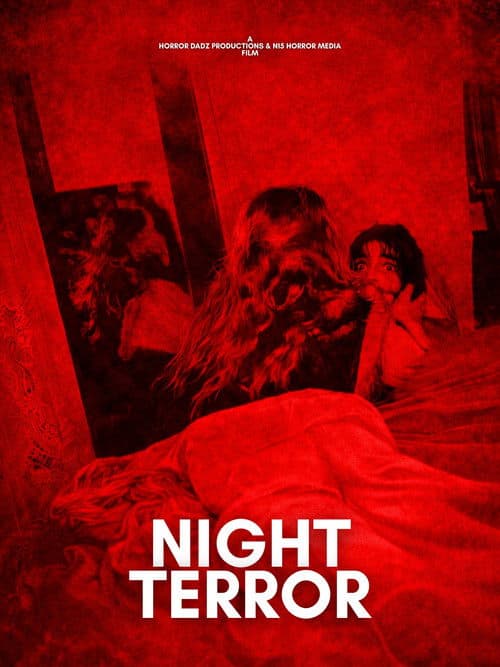
The boundary between physiological vulnerability and supernatural terror has long been fertile ground for the horror genre, but few cinematic concepts strike as viscerally close to home as sleep paralysis. Scheduled to hit the big screen on March 28, 2026, the upcoming genre entry Night Terror promises to weaponize the quietest, most helpless hours of the night against its audience. Following a solitary woman whose chronic, debilitating sleep episodes spiral out of control, the film shifts from a psychological exploration of isolation into terrifying paranormal territory when outside investigators intervene. As anticipation builds following the debut of its official promotional teaser, cinephiles and horror aficionados are already dissecting how this project fits into the broader landscape of contemporary fright cinema.
The Evolution of Sleep Paralysis in Modern Cinema
For decades, sleep paralysis was relegated to medical textbooks, urban legends, and folklore—often blamed on shadow people, incubi, or witches sitting upon the chest of a paralyzed sleeper. However, modern horror has increasingly embraced the condition as a powerful narrative device. Unlike traditional jump-scare vehicles, sleep paralysis thrillers thrive on psychological realism. The victim is fully conscious yet completely immobile, trapped inside their own mind while auditory and visual hallucinations bleed into reality. This subgenre taps into a universal human anxiety: the loss of bodily autonomy. When paranormal investigators enter the narrative fold in Night Terror, the film elevates a common medical parasomnia into an existential battle against unseen forces, questioning whether the entity haunting the protagonist's bedroom is a manifestation of a fractured psyche or an ancient predatory spirit.
The creative lineage of Night Terror places it in conversation with recent indie and studio horror breakouts that prioritize atmosphere and dread over cheap thrills. By isolating the protagonist in a solitary living situation, the filmmakers amplify the claustrophobia of the condition. In Central Asian and CIS markets, where supernatural folklore traditionally features rich mythologies surrounding nocturnal entities like the 'Albasti' or various jinn, stories exploring sleep-adjacent hauntings resonate deeply with cultural storytelling traditions. This cross-cultural fear of the dark, unmoving bedroom intruder gives international horror releases immense thematic weight, transcending mere linguistic barriers and connecting with audiences on a primal level.
Production Context and What to Expect on March 28, 2026
As the theatrical release date approaches, industry watchers are monitoring how Night Terror will position itself against major spring blockbusters. Horror has historically proven to be recession-proof and platform-agnostic, consistently delivering high return on investment for studios willing to take risks on high-concept premises. While early promotional materials have kept specific plot details tightly under wraps, the involvement of paranormal investigators hints at a sprawling mythology rather than a simple haunted house routine. The film's success will likely hinge on its sound design and visual effects, two critical components required to convincingly translate the auditory hallucinations and heavy chest pressure characteristic of real-world sleep paralysis.
- Release Date: March 28, 2026
- Genre: Psychological Supernatural Horror
- Central Premise: A solitary woman battles worsening sleep paralysis investigated by paranormal experts
- Target Audience: Fans of high-concept psychological frights and atmospheric supernatural thrillers
Ultimately, Night Terror arrives at a time when audiences are craving original horror concepts that push past tired franchise fatigue. Whether the film ultimately leans harder into medical skepticism or outright demonic possession will determine its staying power within the genre. For now, horror enthusiasts should mark their calendars for late March 2026, keeping the lights on just a little bit longer as Hollywood prepares to explore the terrifying space between wakefulness and sleep.