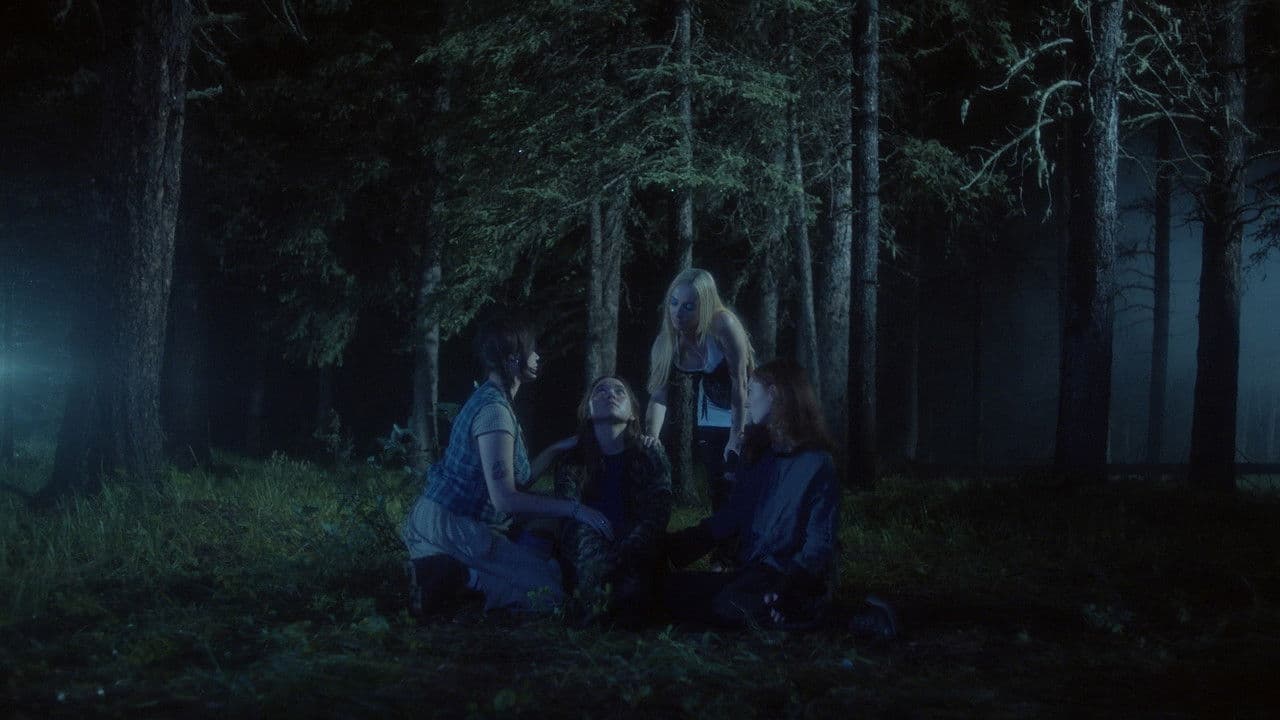

The cinematic landscape is currently undergoing a profound metamorphosis, pivoting away from superficial jump-scares toward what critics affectionately term 'elevated horror'—a subgenre where psychological trauma manifests as literal, tangible monsters. Set for a theatrical debut on June 26, 2026, the upcoming feature CAMP positions itself squarely at this fascinating intersection of personal grief and supernatural mystery. Following a protagonist named Emily, whose early life is irrevocably fractured by two separate catastrophic tragedies, the narrative explores the desperate search for absolution. Urged by her father to seek solace at a specialized camp for troubled youth, Emily steps into an environment that initially promises psychological sanctuary. Instead, the film masterfully pulls back the curtain on a community wrapped in an unsettling veil of peace and forgiveness, masking deeper, more unsettling truths that resonate deeply with contemporary audiences navigating collective anxieties.
Folk-Horror Tropes and the Architecture of Guilt
To truly understand the trajectory of CAMP, one must examine its cinematic lineage, drawing clear parallels to modern masterpieces like Ari Aster's Midsommar or Robert Eggers' The Witch. These films utilize isolated, seemingly idyllic natural settings not merely as backdrops, but as active psychological participants that prey upon the protagonists' unresolved guilts. When Emily is embraced by the camp counsellors, the narrative constructs a classic cult-like dynamic disguised as rehabilitation. The cinematography leans heavily into lush, claustrophobic woodlands, transforming nature from a place of healing into an oppressive prison of the mind. The brilliance of the premise lies in the internal conflict: while the human community offers total acceptance and a fresh start, an external, disembodied voice whispering from the dense woods demands her return, fracturing her fragile psychological equilibrium and forcing viewers to question what is real and what is a manifestation of survivor's guilt.
For international cinephiles, particularly across the CIS region and Central Asia where rich traditions of folklore and isolationist storytelling resonate deeply, CAMP taps into universal fears of belonging and displacement. The archetype of the troubled youth retreat is a well-worn trope in American cinema, yet this project elevates the premise by fusing it with speculative fantasy elements. The central tension is not just about surviving a monster in the woods, but about whether absolution granted by strangers is genuine or merely another form of psychological imprisonment. This thematic complexity elevates the picture beyond standard summer popcorn fare, appealing directly to viewers who appreciate character-driven storytelling with dark, ambiguous resolutions.
- Official Release Date: June 26, 2026
- Primary Genres: Horror, Fantasy, Drama
- Core Theme: Survivor's guilt and psychological isolation
- Setting: An isolated youth camp surrounded by deep woods
Strategic Summer Placement and Global Market Relevance
Releasing a dark psychological horror film on June 26 places CAMP right in the ferocious heart of the global summer blockbuster window, traditionally dominated by franchise superhero spectacles and high-octane action sequels. This bold scheduling decision by the distributors speaks volumes about changing audience demographics. Modern moviegoers are increasingly fatigued by repetitive cinematic universes, actively seeking out mid-budget, high-concept original genre films that offer intellectual stimulation alongside atmospheric dread. By counterprogramming against traditional summer escapism, the production positions itself as an essential destination for discerning film enthusiasts looking for genuine emotional weight and artistic risk-taking.
As the cinematic market continues to globalize, distribution networks in Eastern Europe, Central Asia, and beyond are increasingly eager to secure day-and-date or prompt international releases for elevated genre works. Films like CAMP demonstrate that universal human emotions—specifically grief, alienation, and the quest for self-forgiveness—transcend linguistic and cultural boundaries. As we approach the summer 2026 premiere, industry watchers will be closely monitoring how the marketing campaign leverages its atmospheric trailer and eerie auditory motifs to capture the imagination of horror aficionados worldwide. Whether you are catching it in a bustling metropolitan cinema or streaming it later, CAMP promises to be one of the most talked-about psychological journeys of the decade.