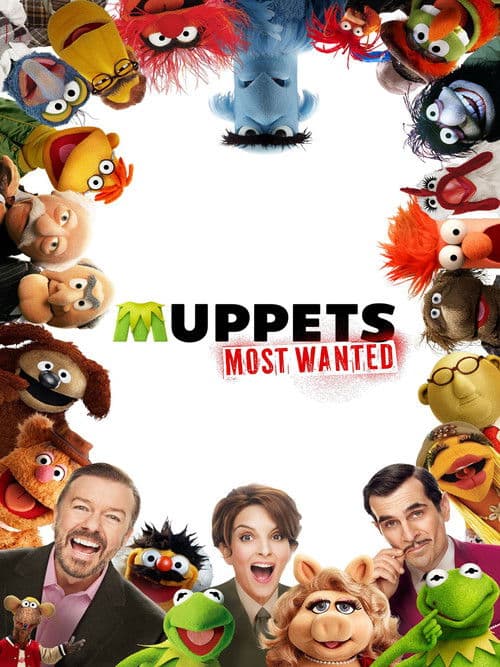
When the curtains parted for the cinematic release of Muppets Most Wanted, few critics anticipated just how sharply the franchise would pivot into the realm of international intrigue and musical crime capers. Following the triumphant 2011 nostalgic reboot simply titled The Muppets, Disney wisely decided to unshackle their felt-covered troupe from the confines of Hollywood reclamation plots and thrust them onto a sprawling, chaotic European tour. Directed by James Bobin and co-written with Nicholas Stoller, the film bypassed the predictable beats of standard family entertainment, opting instead for a sophisticated pastiche of classic European heist thrillers, complete with Interpol agents, high-stakes jewel robberies, and a nefarious doppelgänger plot that played like an absurdist cross between Alfred Hitchcock and Pink Panther.
For cinephiles and families across the globe, the picture proved that the intellectual property possessed immense versatility. By framing a classic mistaken-identity narrative within the context of a live theatrical globe-trotting extravaganza, the filmmakers created a canvas large enough to host elaborate musical numbers without ever losing narrative momentum. It is a rare feat for a family comedy to successfully juggle original Broadway-style musical compositions by Bret McKenzie alongside complex physical comedy routines and satirical commentary on the entertainment industry itself, all while maintaining the anarchic, self-referential spirit originally forged by Jim Henson in the 1970s.
The Art of the Cameo and the Heist Genre Parody
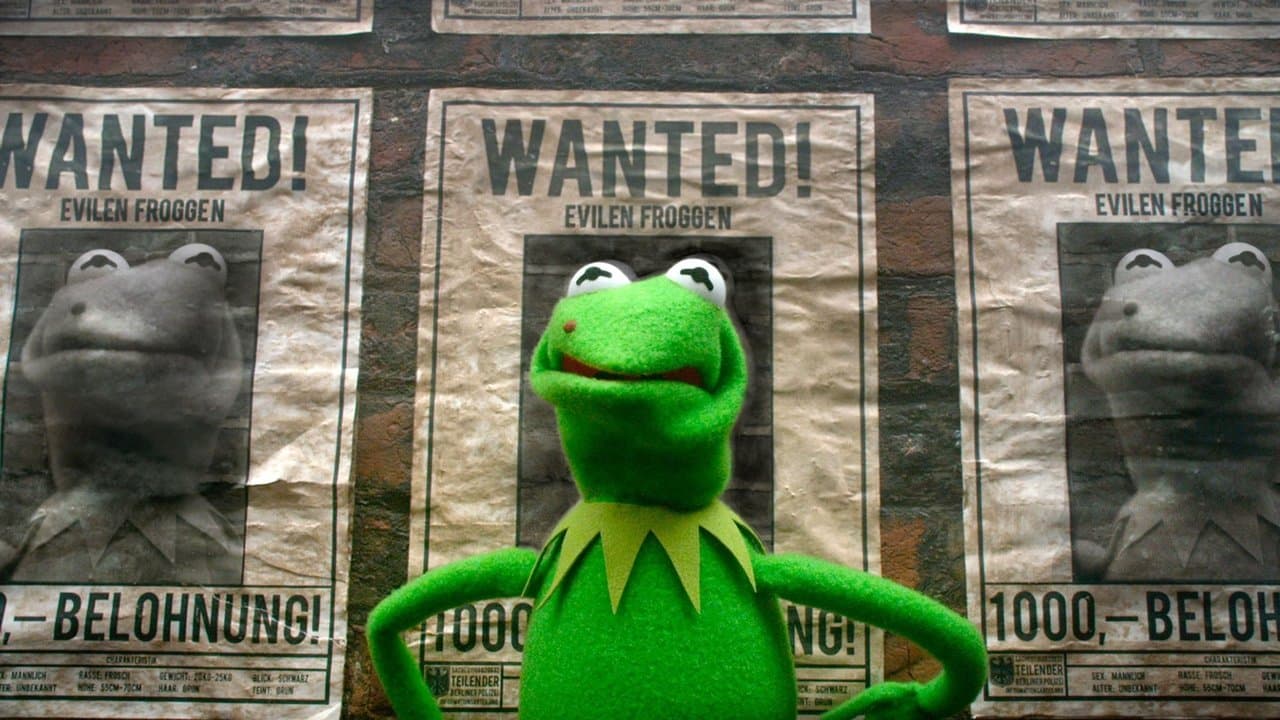
One of the defining hallmarks of the Muppets cinematic universe has always been its staggering roster of human guest stars, and this 2014 installment elevated that tradition to an art form. Set against the backdrop of iconic European capitals like Berlin, Madrid, Dublin, and London, the narrative operates as a grand-scale parody of international crime capers. The introduction of Constantine—the world's most dangerous frog, distinguished primarily by a dark mole on his cheek and a dubious Russian accent—creates an immediate tension that subverts the wholesome expectations typically associated with puppet-centric cinema. Alongside his brilliantly deadpan sidekick Dominic Badguy, played with suave comedic timing by Ricky Gervais, Constantine orchestrates a string of museum heists that the gang must unwittingly execute as part of their nightly stage performances.
The supporting human cast grounds the sheer lunacy of the production, providing straight-faced counterweight to the puppet anarchy. Tina Fey delivers a tour-de-force comedic performance as Nadya, the stern yet delightfully eccentric Siberian gulag prison guard obsessed with staging theatrical productions, while Ty Burrell brings classic slapstick energy as Jean Pierre Napoleon, the hyperactive Interpol investigator obsessed with French-style deductive reasoning. This dynamic allowed the film to resonate deeply with international audiences who grew up appreciating both classic Hollywood studio comedies and European detective serials, blending diverse cultural references into a cohesive, fast-paced narrative feast.
- Director: James Bobin
- Key Cast: Ricky Gervais, Ty Burrell, Tina Fey, Steve Whitmire, Eric Jacobson
- Composer: Bret McKenzie
- Release Window: Spring 2014 theatrical rollout
Legacy, Cultural Impact, and Relevance for Global Audiences
In the decade following its initial premiere, Muppets Most Wanted has steadily cultivated a reputation among film scholars and internet cinephiles as an unfairly overlooked gem of modern studio comedy. In regions like Central Asia and across the broader CIS markets, where theatrical distribution of American family franchises relies heavily on dubbed home video releases and streaming platforms, the film found a dedicated multi-generational fanbase. The universal appeal of physical comedy, combined with sharp musical numbers that transcend language barriers through sheer theatricality, ensured that the picture resonated long after its box-office run concluded.
Furthermore, the movie's satirical commentary on celebrity culture, artistic integrity, and the relentless corporate pressure to constantly top oneself feels even more pertinent today in an era dominated by cinematic universes and franchise fatigue. The meta-awareness—where characters openly acknowledge they are in a sequel that might not be as good as the original—inoculated the project against cynical dismissal. As contemporary Hollywood increasingly struggles to balance IP nostalgia with genuine creative risk, the daring absurdity of sending Kermit the Frog to a Siberian labor camp while an evil amphibian impersonates him stands out as a high-water mark of uninhibited studio filmmaking.
Looking ahead, as studios continuously evaluate how to adapt legacy properties for modern streaming audiences, the production blueprint of this 2014 caper offers invaluable lessons. It demonstrates that family entertainment does not need to talk down to its audience; rather, by layering sophisticated genre parodies underneath accessible slapstick, creators can craft enduring art that delights children and film critics alike. Fans hoping for a return to this level of high-concept puppet comedy should keep a close eye on upcoming Disney+ slate announcements, while revisiting this globetrotting masterpiece remains the ultimate cure for cinematic cynicism.