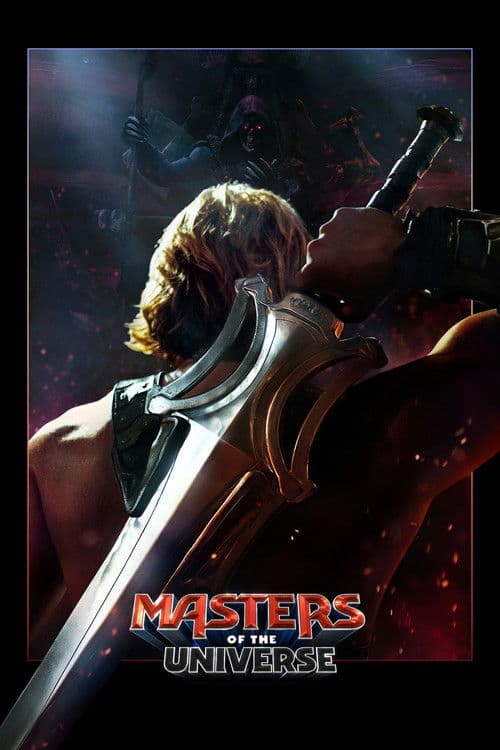
The cinematic landscape of the mid-2020s is defined by a paradoxical hunger for familiarity coupled with an exhaustion of standard superhero templates, making the upcoming arrival of Masters of the Universe one of the most fascinating industrial gambles in modern Hollywood. Scheduled for a global theatrical launch in June 2026 under the Amazon MGM Studios banner, this iteration represents far more than a simple dusting off of vintage plastic action figures. It is the culmination of a tortuous development cycle that spanned nearly twenty years, shifting across multiple studios, changing creative regimes, and surviving multiple near-cancellations that threatened to permanently trap Prince Adam in development hell. For cinephiles and industry analysts alike, this project offers a masterclass in how intellectual property is modernized for audiences raised on prestige fantasy and gritty world-building, while still trying to retain the neon-soaked, sword-and-sorcery DNA that captivated millions of children in the 1980s.
The Long and Tortuous Road from Mattel Showroom to the Big Screen
To truly understand the weight riding on this 2026 adaptation, one must look back at the checkered cinematic history of Eternia. Mattel’s toy line famously birthed a cartoon empire that defined Saturday morning television, but the transition to live-action has been fraught with disaster. The infamous 1987 Cannon Films adaptation starring Dolph Lundgren remains a camp classic, but it was a notorious commercial and critical failure that nearly bankrupted its studio and relegated the property to the cinematic sidelines for decades. Subsequent attempts to revive the franchise at various studios—including director-driven phases with John Woo and later Noah Centineo attached to star—collapsed under the weight of ballooning budgets and shifting corporate strategies. When the project finally landed at Amazon following their acquisition of MGM, the mandate changed from a low-budget streaming play to a tentpole theatrical event. This signals a renewed confidence in high-fantasy world-building, utilizing cutting-edge virtual production and practical creature effects to bring beast men, sorcerers, and robotic villains to tangible life.
For audiences across Eastern Europe, Central Asia, and the broader CIS region, where 1980s and 90s animation and action franchises arrived via a wave of VHS imports and post-Soviet syndication, He-Man carries a distinct brand of nostalgic equity. Unlike Western viewers who grew up lining up at Toys 'R' Us, viewers in Tashkent, Almaty, and beyond often experienced Eternia through dubbed cassettes and bootleg media markets, cementing the mythos as a quintessential artifact of Western pop culture. The new film taps into this universal trans-cultural appeal, framing the narrative not as a campy cartoon throwback, but as a sweeping epic about familial separation, usurpation, and existential exile. The premise—where Prince Adam returns to a shattered Eternia after a fifteen-year absence—owes as much to classic mythic tropes like The Odyssey as it does to Saturday morning matinees.
Production Scale, Creative Vision, and Market Expectations
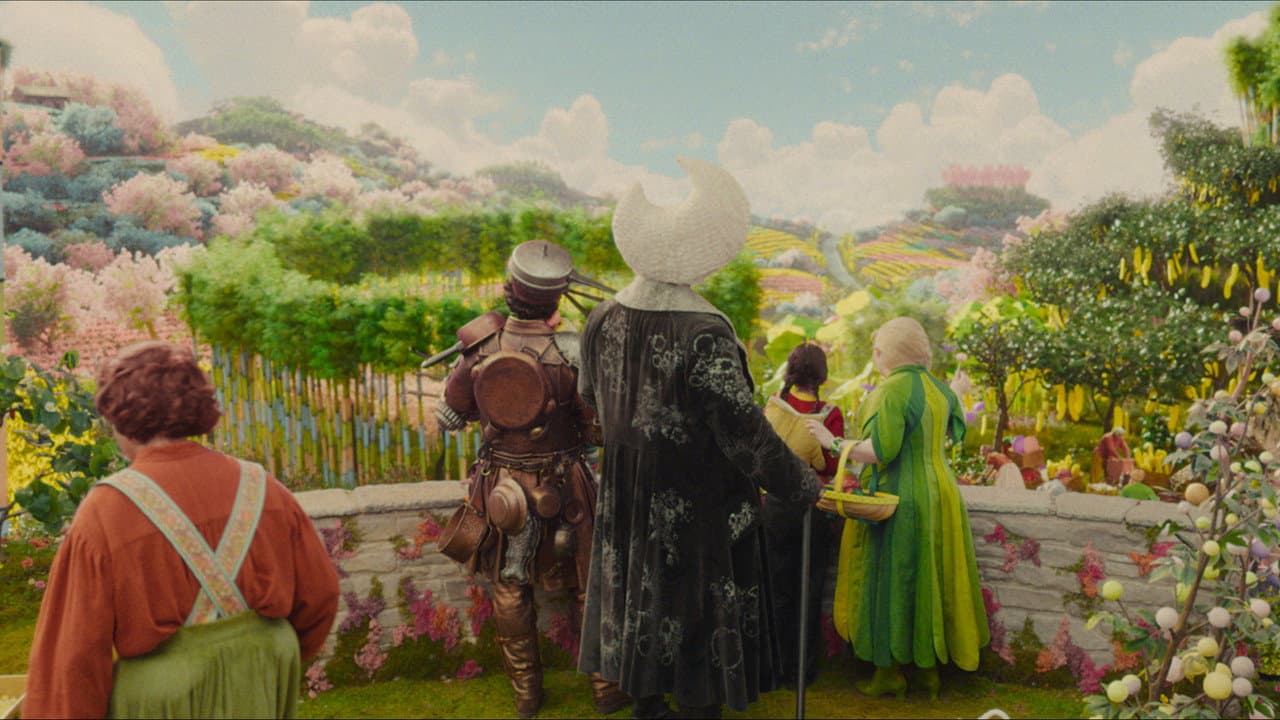
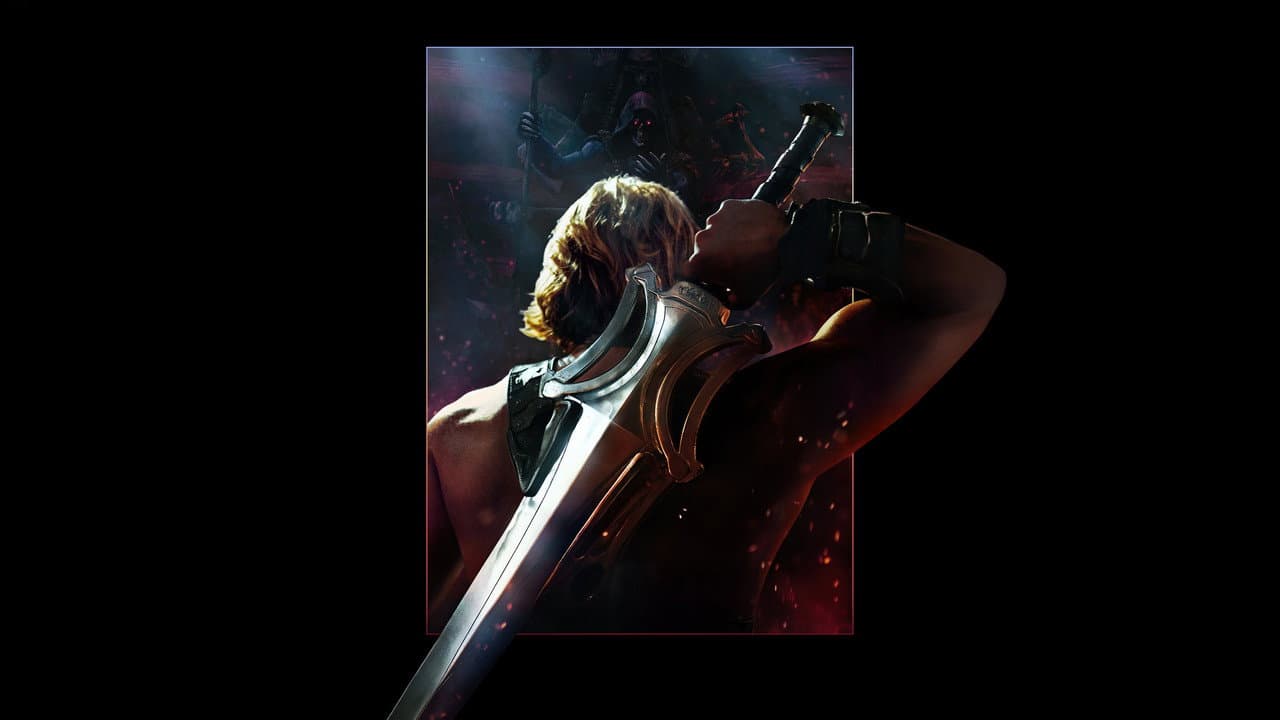
Behind the camera, the production team has assembled a roster of talent capable of navigating the delicate balance between high fantasy and grounded cinematic stakes. The visual language of Eternia—a bizarre yet compelling hybrid of medieval sorcery and futuristic sci-fi technology—presents a monumental hurdle for production designers. In the original lore, characters wield laser rifles while riding green tigers, a juxtaposition that can easily slip into unintentional comedy if not handled with absolute conviction. Industry insiders note that Amazon has heavily invested in pre-visualization and world-building design, ensuring that the conflict between the heroic warriors of the Royal Palace and the skeletal tyranny of Skeletor feels tactile, gritty, and emotionally resonant for modern multiplex audiences.
- Studio Release Date: June 5, 2026
- Parent Studio: Amazon MGM Studios / Mattel Films
- Core Characters: Prince Adam / He-Man, Teela, Man-At-Arms (Duncan), Skeletor
- Primary Genre: Action, Epic Fantasy, Sci-Fi Blockbuster
As the summer 2026 release date approaches, the box office stakes could not be higher. In an era where superhero fatigue has forced studios to diversify their fantasy offerings, Masters of the Universe stands as a test case for whether pure, unadulterated fantasy can still command global theatrical dominance. If director and producers manage to hit the sweet spot between emotional gravity and thrilling, spectacle-driven action, they might just forge a multi-film franchise that finally does justice to the Power of Grayskull. Film enthusiasts and industry observers should keep a close eye on upcoming promotional rollouts, as they will dictate whether this ambitious gamble heralds a new golden age for fantasy cinema or merely another cautionary tale of studio hubris.