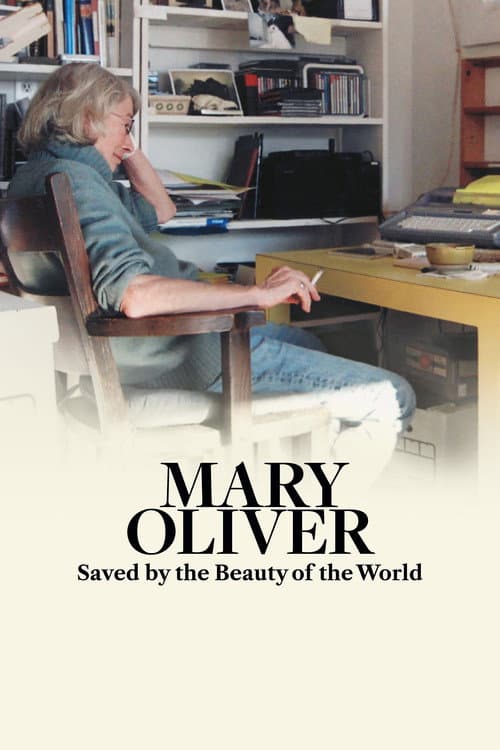
In an age dominated by short-form video algorithms, endless notification pings, and the relentless acceleration of digital existence, the cultural hunger for stillness has never been more acute. Enter Mary Oliver: Saved by the Beauty of the World, a feature documentary slated for theatrical release on July 3, 2026. For a generation exhausted by the pixelated noise of the twenty-first century, the cinematic exploration of America’s most accessible yet profound poet arrives not a moment too soon. While traditional literary biopics often lean into academic stiffness, this project promises to mirror the quiet revolutionary power of Oliver’s verse, translating her lifelong commitment to radical attentiveness into a visually arresting cinematic language.
To call Mary Oliver a literary figure is to understate her cultural footprint; she was, by all accounts, poetry’s rare pop icon who achieved massive commercial resonance without ever compromising her fierce introversion. Long before wellness culture commercialized forest-bathing and mindfulness apps, Oliver was out in the marshlands of Provincetown, Massachusetts, chronicling the private lives of egrets, pond lilies, and grasshoppers. Her Pulitzer-winning work reminded readers that attention is the beginning of devotion. This documentary dives headfirst into that paradox: how a woman who spent a lifetime fleeing literary society and human crowds ended up becoming a guiding spiritual compass for millions of readers across the globe, from teenagers scrolling through poetry accounts on social media to elder statesmen of letters.
The Cinematic Translation of Solitude
Adapting poetry for the screen is notoriously treacherous territory for filmmakers. Words on a page rely on internal rhythm and individual reader imagination, whereas cinema imposes a fixed visual reality. Yet, the creative team behind Saved by the Beauty of the World appears to bypass this trap by focusing less on biographical trivia and more on the sensory landscape that birthed the poems. Drawing from rare archival footage, audio recordings of Oliver's distinctive, raspy recitation, and sweeping landscape cinematography, the film constructs an atmospheric meditation on grief, survival, and joy. It traces her journey from a deeply isolated and troubled childhood in Ohio—marked by trauma and emotional neglect—to finding sanctuary in the physical world.
For international audiences, particularly viewers in Central Asia who possess a rich, ancestral tradition of nature-centric verse and mystical landscape philosophy, Oliver's worldview will feel both intimately familiar and strikingly modern. Her poetry operates on the premise that paying attention to the non-human world is a moral act, a theme that resonates deeply in regions grappling with ecological transitions and environmental anxieties. The documentary contextualizes her writing not as ivory-tower abstraction, but as a hard-won survival mechanism. It illustrates how the natural world acted as a physical refuge when human relationships failed her, gradually teaching her the arduous, beautiful grammar of self-acceptance and love.
Production Context and What to Expect
As the July 2026 release date approaches, anticipation among independent film distributors and documentary enthusiasts continues to build steadily. Although current metrics on platforms like TMDB show early numbers, the artistic pedigree surrounding the project suggests it will be a major player on the international festival circuit before its wider commercial rollout. Literary documentaries often struggle to cross over into mainstream consciousness, but Oliver’s posthumous status as a viral internet darling—where lines like "Tell me, what is it you plan to do with your one wild and precious life?" are shared millions of times annually—guarantees a built-in generational audience.
- Release Date: July 3, 2026
- Genre: Feature-Length Documentary
- Core Themes: Nature, trauma recovery, literary history, ecological mindfulness
- Target Audience: Poetry lovers, environmentalists, and modern seekers fleeing digital saturation
Ultimately, Mary Oliver: Saved by the Beauty of the World positions itself as more than just a biographical retrospective. It is an invitation to slow down, put down our devices, and remember the weight of the physical earth beneath our feet. As we look ahead to its summer premiere, the film reminds us that cinema, at its best, can function just like a good poem: a quiet space carved out of the noise, urging us to look closer, listen harder, and remain utterly astonished by the world we inhabit.