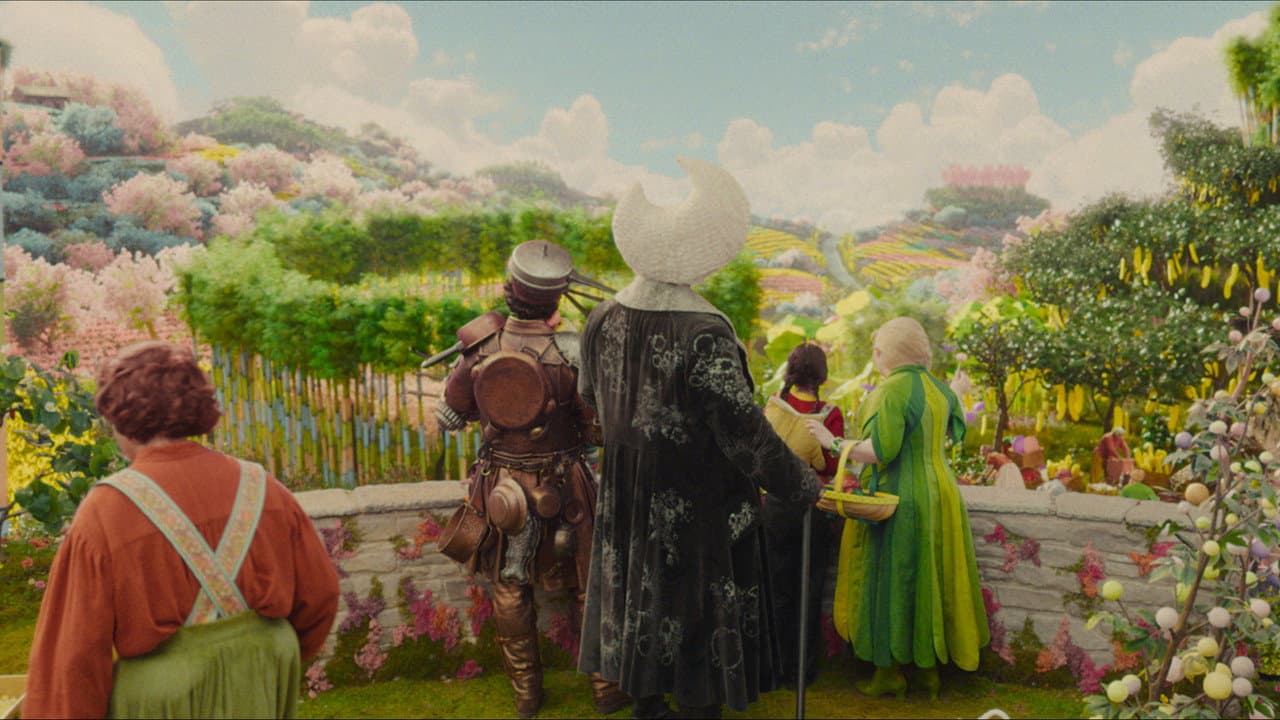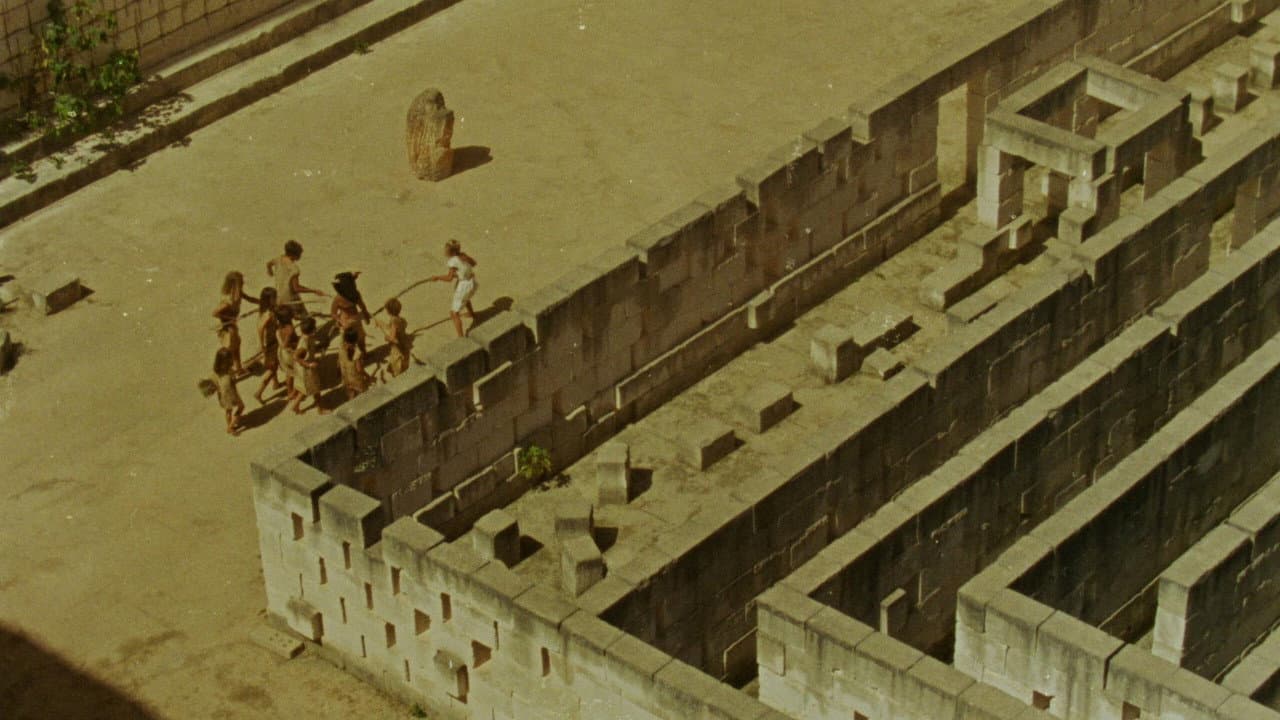
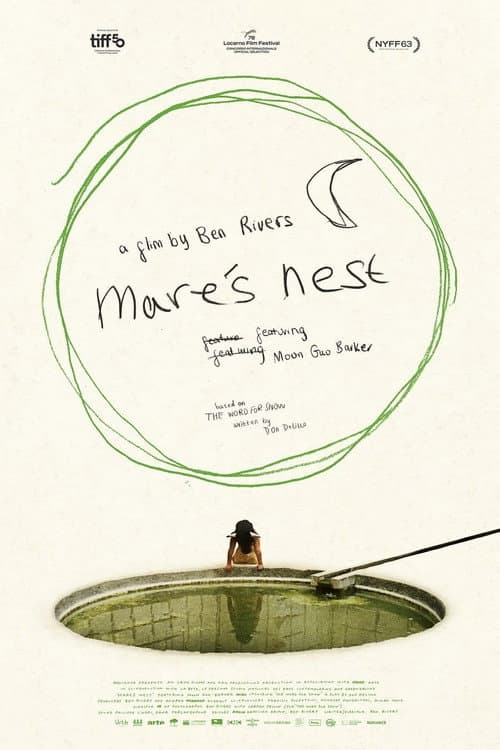
The cinematic horizon is perpetually crowded with high-concept franchises, predictable sequels, and algorithmic crowd-pleasers, yet every so often, a project arrives that promises to radically disrupt the landscape. Slated for release on June 24, 2026, Mare's Nest stands as one of the most intellectually provocative and fiercely enigmatic propositions of the decade. Based on an obscure theatrical piece by legendary American postmodern novelist Don DeLillo, the film plunges audiences into a haunting, unexplained realm completely devoid of adults. Here, a young traveler named Moon embarks on a drifting odyssey across a landscape marked by strange philosophical encounters, performative rituals, and shifting realities. As the global film community begins to parse the cryptic marketing materials and atmospheric trailers, anticipation is reaching a fever pitch among cinephiles who crave challenging, boundary-pushing cinema that refuses to spoon-feed its audience.
DeLillo’s Postmodern Anxiety on Film
To truly understand the DNA of Mare's Nest, one must examine the literary weight of Don DeLillo. Renowned for mapping the contours of American paranoia, technological alienation, and late-capitalist malaise in novels like White Noise and Underworld, DeLillo’s foray into dramatic theater has always possessed a sharp, cerebral edge. Translating his sparse, dialogue-driven stage aesthetics into a cinematic medium requires a delicate balance of visual poetry and intellectual rigor. In the film, Moon’s journey brings her to an isolated mountain sanctuary where she encounters a former scholar turned sage alongside her loyal translator. This hermetic setting serves as a microcosm for a world trying to reconstruct meaning in the total absence of generational authority. The adults are gone, leaving behind only echoes, artifacts, and younger generations forced to invent their own systems of philosophy, art, and survival. It is a premise that recalls William Golding’s Lord of the Flies, but filtered through a distinctly adult, high-modernist lens that prioritizes contemplation over primal savagery.
The narrative structure moves deliberately away from traditional three-act storytelling, favoring a series of vignettes where inhabitants perform for Moon, project mysterious films, and offer symbolic gifts. These encounters are not merely episodic; they represent different philosophical trajectories and potential modes of human existence. For Central Asian and CIS audiences, who possess a rich cinematic tradition deeply rooted in poetic realism, philosophical metaphor, and the Tarkovskian tradition of existential wandering, Mare's Nest will likely strike a resonant chord. The film bypasses standard Hollywood pacing in favor of meditative long takes and atmospheric world-building, inviting viewers to project their own interpretations onto Moon’s silent observations as she steps forward into an entirely uncharted future.
Production Context and What Lies Ahead
As the June 2026 premiere approaches, industry analysts and festival programmers are keeping a close eye on how Mare's Nest will be positioned on the international circuit. Avant-garde sci-fi dramas of this caliber often find their initial momentum at major European festivals like Venice or Berlin before rolling out to specialty theaters and independent streaming platforms. The project's minimalist aesthetic and philosophical ambitions position it far outside the studio tentpole system, relying instead on specialized distribution networks that cater to discerning, art-house audiences worldwide. For independent film enthusiasts in our region, accessing such visionary works often relies on festival screenings, specialized digital platforms, and cultural center retrospectives.
- Project Title: Mare's Nest
- Release Date: June 24, 2026
- Source Material: Theatrical play by Don DeLillo
- Genre: Sci-Fi / Philosophical Drama
- Core Theme: A world without adults, performative existence, and existential wandering
Ultimately, Mare's Nest represents a rare breed of speculative cinema that treats its audience as active participants rather than passive consumers. By tackling themes of isolation, cultural transmission, and the reconstruction of meaning in a post-adult landscape, the film dares to ask what remains of humanity when all traditional guardrails are removed. As we count down the months to its summer release, audiences looking to expand their cinematic palate should prepare for a journey that challenges conventional narrative boundaries and rewards deep, patient observation. Keep this title firmly on your radar as one of the definitive cinematic conversation starters of 2026.