
Global cinema has entered a fascinating era of decolonial reckoning, where filmmakers from historically marginalized regions are taking back the tools of genre storytelling to rewrite cinematic history. Among the most anticipated titles spearheading this movement is Mārama, an upcoming Gothic historical horror-drama scheduled to hit theatres on April 17, 2026. Set against the bleak, windswept moors of mid-nineteenth-century North Yorkshire, the film follows a young Māori woman who crosses oceans after receiving a cryptic summons, only to unearth a harrowing family legacy intimately tied to the brutal machinations of the British Empire. This is not merely another period piece about polite aristocracy; it is a visceral summoning of ghosts—both literal and historical—that weaponizes the language of classic horror to interrogate the global wounds left by imperial expansion.
Reversing the Gaze: The Rise of Indigenous Gothic Horror
For decades, international audiences consumed Gothic cinema through a very narrow Eurocentric lens, where stately English manors served as backdrops for domestic neuroses, ghosts of decadent lords, or repressed Victorian romance. Mārama shatters this cozy paradigm by introducing an indigenous perspective into the heart of the colonizer's domain. When the protagonist travels from Aotearoa (New Zealand) to the industrializing, stratified landscapes of Victorian England, the narrative deliberately inverts the colonial gaze. Instead of the Englishman exploring, mapping, and exploiting foreign lands, a Māori woman arrives in the imperial core to hold a titled aristocrat accountable for generational devastation. This creative inversion resonates deeply with contemporary audiences seeking narrative justice, transforming the traditional haunted house tropes into a metaphor for systemic oppression and stolen wealth.
Directorially and thematically, the project joins a vital wave of modern cinematic works like Jennifer Kent's The Nightingale or Ari Aster's elevated horror experiments, yet it carves out a fiercely distinct cultural identity. By weaving traditional Māori cosmological concepts, spiritual trauma, and indigenous resilience into the established grammar of Western horror, the film creates an unsettling friction. The Yorkshire moors—traditionally associated with the moody romanticism of the Brontë sisters—are recontextualized as a site of colonial reckoning, where the damp soil itself seems heavy with unpunished sins and displaced grief.
Production Context and What to Expect in 2026
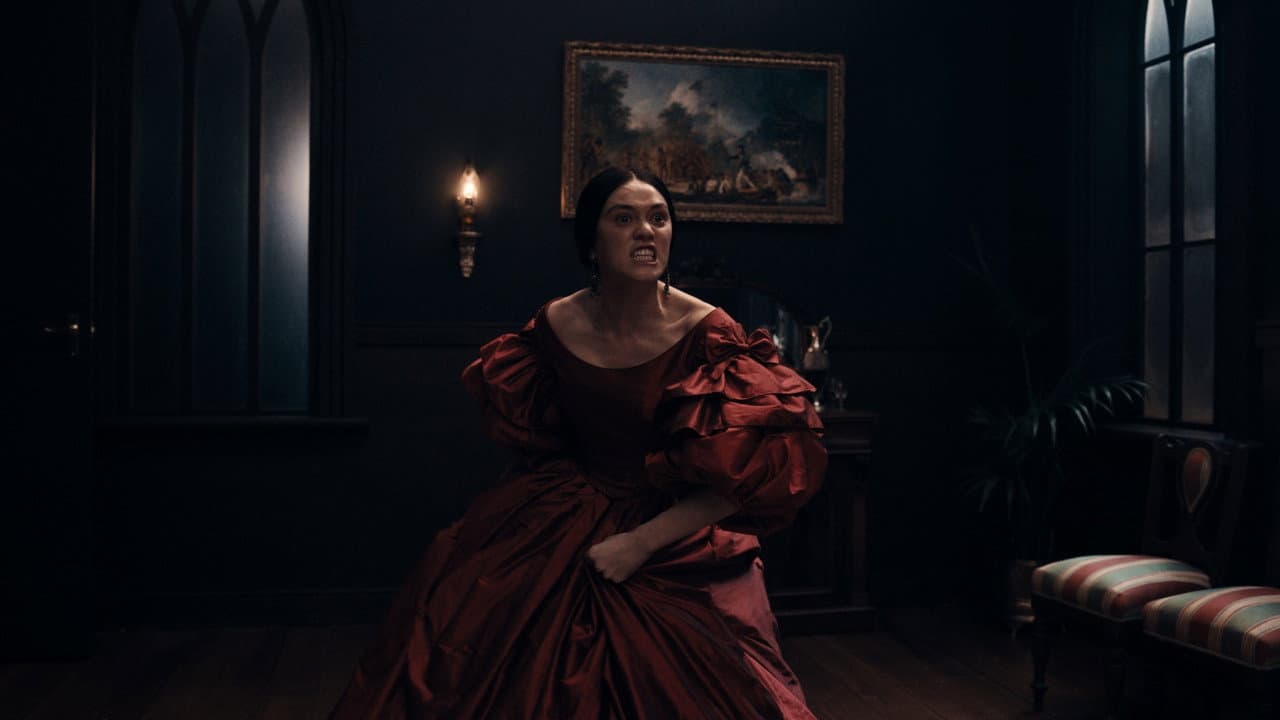
As the April 2026 theatrical debut approaches, industry analysts and cinephiles are closely watching how specialty distributors position Mārama in a crowded marketplace dominated by franchise blockbusters. Art-house horror has proven to be an exceptionally lucrative and critically resilient genre, particularly when it operates as social commentary wrapped in high-tension atmosphere and striking cinematography. The film's meticulous attention to 1859 period detail—from the suffocating sartorial choices of Victorian elites to the stark contrast against indigenous ancestral markers—promises a visually arresting cinematic journey that demands the theatrical experience.
- Official Release Date: April 17, 2026
- Primary Genres: Horror, Drama, Mystery
- Historical Setting: 1859 (North Yorkshire, England & Aotearoa, New Zealand)
- Core Themes: Colonial heritage, generational trauma, indigenous resistance, Gothic mystery
Ultimately, Mārama represents a maturation of international genre filmmaking, proving that horror remains the most flexible and potent vehicle for exploring historical trauma. For Central Asian and CIS cinephiles who understand the complex, lingering scars of imperial history firsthand, this film offers a powerful narrative parallel. It speaks to the universal desire to confront historical perpetrators and reclaim stolen identities. As we count down to its spring 2026 premiere, this striking transcontinental project stands poised to challenge our collective cinematic memory and redefine what a ghost story can achieve.