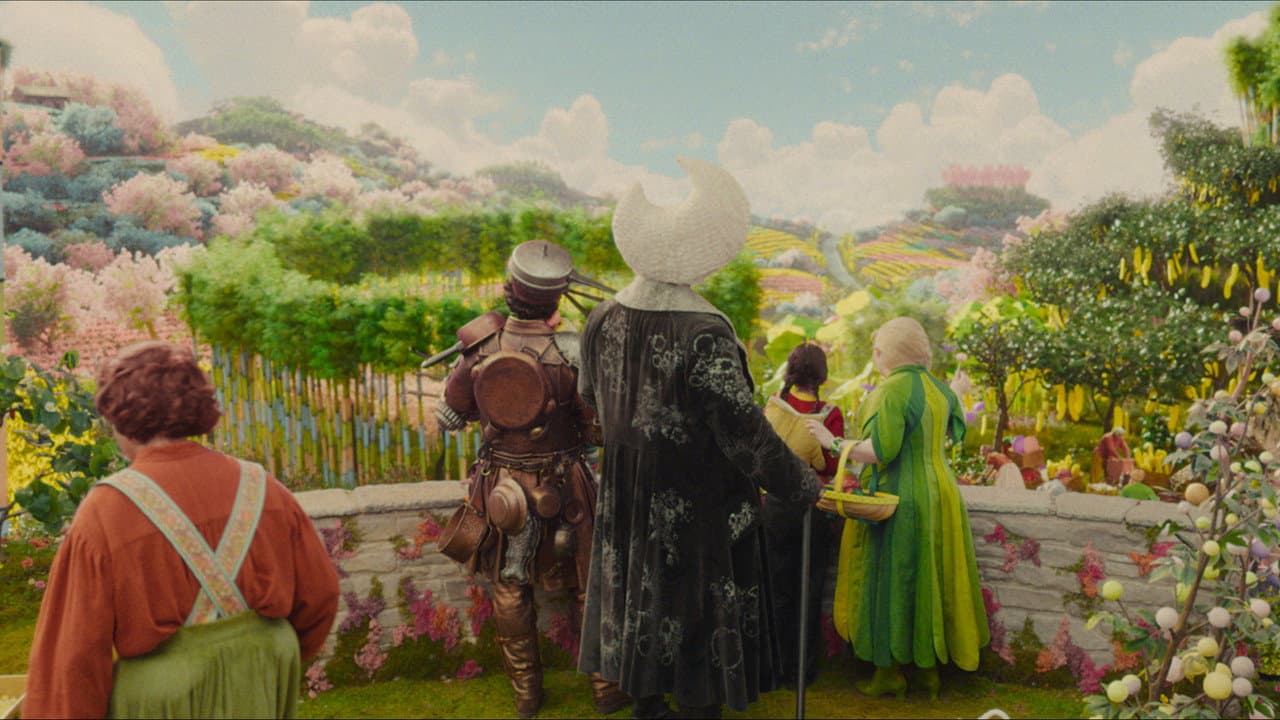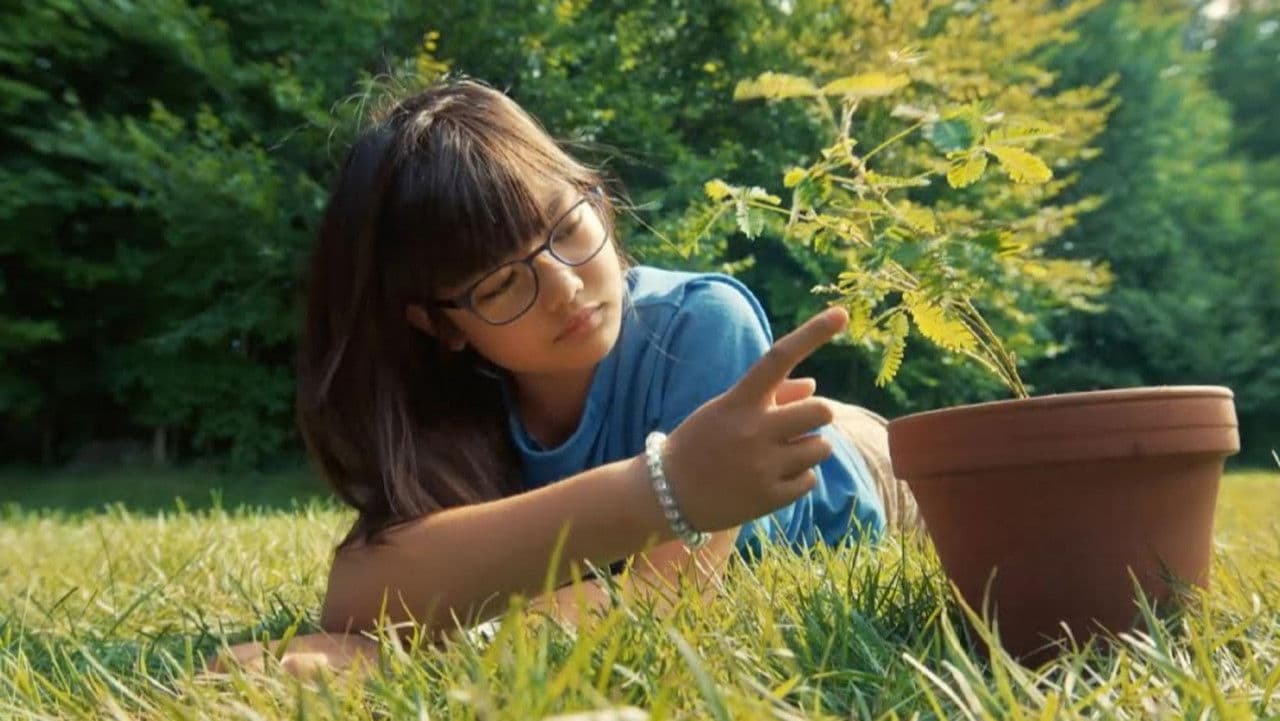

When the cinematic lens turns toward youth, it frequently relies on high-octane coming-of-age tropes, sprawling high school hallways, or rebellion against authority. Yet, every so often, a quiet drama emerges that strips away the noise to examine the profound, deafening silence of growing up completely alone. The upcoming drama Mabel, slated for release in the spring of 2026, positions itself squarely within this introspective tradition. Centering on a young girl named Callie whose world is uprooted from a lush, green sanctuary to a sterile, cookie-cutter housing development, the film tackles a deeply universal anxiety: the sudden loss of identity and connection when placed in an environment engineered for conformity. What makes this narrative particularly poignant is not merely the relocation itself, but Callie's coping mechanism—a potted houseplant named Mabel who serves as her confidante, peer, and sole emotional anchor in a terrifyingly artificial world.
The Psychology of Green Companions in Modern Cinema
Anthropomorphism in cinema is hardly a novel concept, stretching from classic literature to modern animation, where objects or animals take on human characteristics to help protagonists process trauma or loneliness. However, live-action dramas that treat an inanimate object with the absolute gravity of a living peer occupy a fascinating psychological space. In Mabel, the titular plant is not a magical creature brought to life by CGI spectacle; rather, it is a psychological projection of Callie's desperate need for reciprocity in a landscape that feels entirely dead. The film uses this dynamic to critique modern suburban architecture—those endless rows of identical facades and manicured lawns that paradoxically alienate human beings from actual nature. By contrasting the suffocating sterility of her new neighborhood with the vibrant internal life Callie shares with her botanical best friend, the filmmakers tap into an artistic lineage that includes magical realism and psychological character studies.
For audiences across the CIS and Central Asian regions, where rapid urbanization has rapidly transformed traditional neighborhoods into high-density concrete and glass subdivisions, the themes of displacement and urban alienation resonate with striking relevance. As cities expand and communal yards give way to gated apartment blocks, children and adolescents often face a sudden contraction of their natural exploratory spaces. Mabel captures this micro-level trauma through a poetic lens, reminding viewers of a time when the world was vast, frightening, and entirely dependent on the small, safe anchors we could construct for ourselves. The cinematography reportedly mirrors this emotional shift, transitioning from warm, organic tones of the protagonist's previous home to the stark, desaturated palettes of the new subdivision.
Production Context and What to Expect on Release
While major blockbuster studios dominate the global box office with IP-driven franchises and superhero sequels, the independent drama sector relies heavily on intimate storytelling and emotional resonance to capture audience attention. Mabel enters the market as a refreshing counter-programming option for viewers seeking substance, emotional depth, and character-driven narratives. Independent films tackling adolescent mental health and isolation have increasingly found a passionate global audience, particularly on streaming platforms and at international film festivals where quiet storytelling is celebrated. As the industry looks toward the April 2026 release window, anticipation is building around how the director manages to keep a minimalist premise dramatically engaging over a feature-length runtime.
- Project Title: Mabel
- Release Date: April 17, 2026
- Primary Genre: Drama
- Core Theme: Isolation, suburban displacement, and anthropomorphism
- TMDB Rating: 0/10 (Pre-release tracking phase)
As we await further trailers and festival reviews leading up to April 2026, Mabel stands as a reminder of the power of gentle, character-focused cinema. It challenges viewers to look past the surface gloss of modern suburban life and recognize the quiet emotional landscapes navigated by young people every day. Whether you are a dedicated cinephile tracking indie drama trends or simply someone who appreciates a moving story about human resilience and green friends, Mabel is shaping up to be one of the most psychologically intriguing releases of the spring season. Keep this title on your radar as production details unfold and international distribution partnerships are finalized in the coming months.