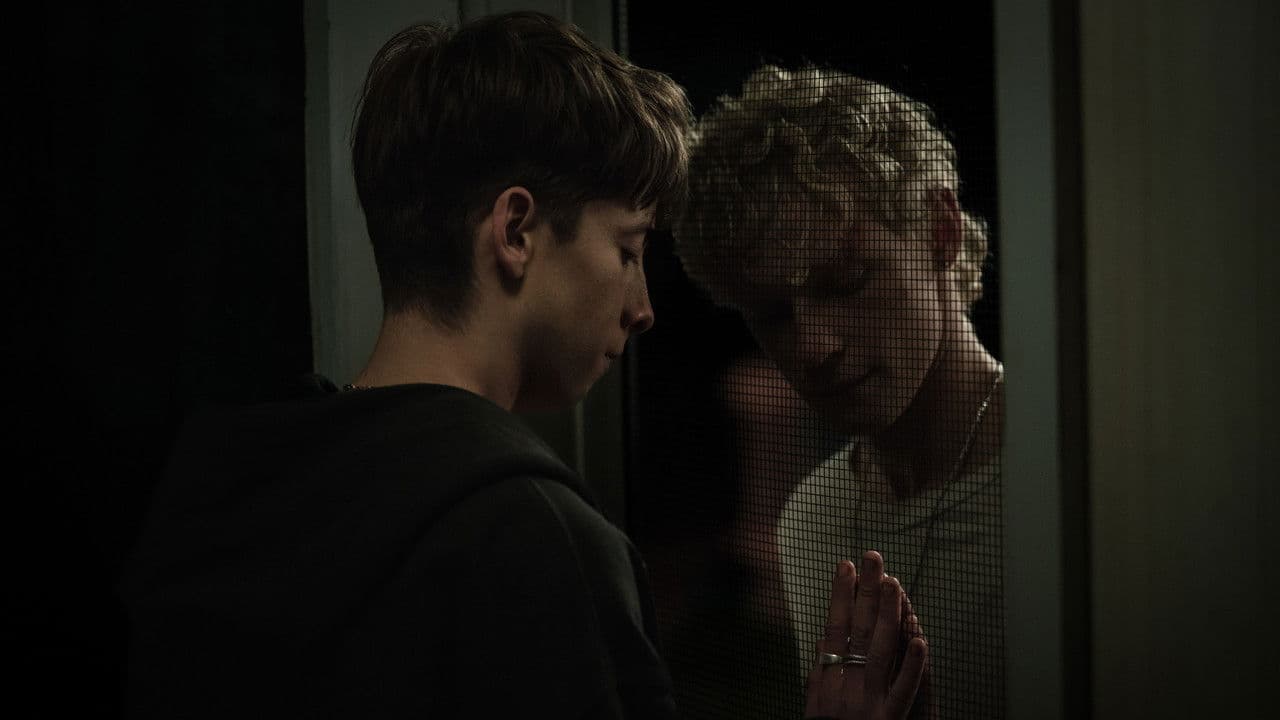
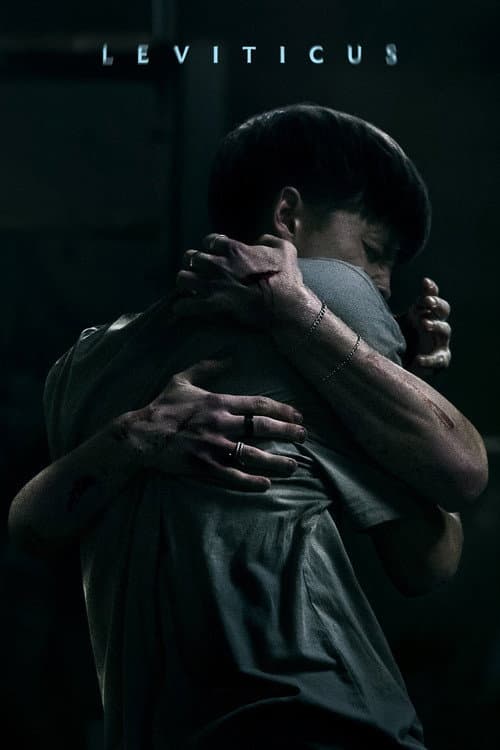
The landscape of modern horror has increasingly shifted toward deeply personal allegories, where psychological trauma, grief, and repressed identity manifest as literal monsters. Enter Leviticus, a forthcoming genre film slated for a wide theatrical release on June 19, 2026, which promises to push these boundaries into uncharted territory. At its core, the film follows two teenage boys trapped in a relentless nightmare as they attempt to outrun a shape-shifting entity. What makes this predator uniquely terrifying is its modus operandi: it weaponizes intimacy by assuming the physical form of whatever—or whoever—its victims desire most. For the two protagonists, that mirror reflects each other, turning an urgent survival narrative into a harrowing crucible of forbidden longing, fear, and teenage vulnerability.
Deconstructing the Anatomy of Desire as a Monster
For decades, genre cinema has used monsters as proxies for societal anxieties, but contemporary auteurs have pivoted toward making the monster an internal reflection. In Leviticus, the horror stems not from a jump scare in the dark, but from the terrifying realization that the face you trust, love, and crave has been co-opted by a hostile force. This conceptual framework draws direct lineage from elevated horror milestones like David Robert Mitchell's It Follows, where sex and proximity carried a fatal curse, yet it infuses those tropes with a distinct queer lens. In conservative societies and transitional regions across the globe—including parts of Eastern Europe and Central Asia, where LGBTQ+ narratives face heavy systemic censorship and social stigma—the metaphor of an invisible, pursuing force that punishes forbidden affection carries a chilling, deeply resonant weight. The film operates on multiple levels: as a pulse-pounding creature feature and as a devastating exploration of how external judgment can infiltrate the most intimate corners of the human psyche.
The creative DNA behind Leviticus signals a deliberate move away from traditional Hollywood jump-scare mechanics toward mood-driven dread. Directorially, the project relies heavily on atmospheric world-building, utilizing isolated landscapes, claustrophobic framing, and an unsettling soundscape to mirror the internal panic of its young leads. In an era where audiences are growing fatigued by CGI-heavy blockbusters, indie-backed horror films that prioritize emotional stakes consistently outperform expectations. By anchoring supernatural terror to the raw vulnerability of first love, the filmmakers ensure that the audience's empathy remains entirely invested in whether these boys can survive both the monster outside and the crushing weight of their own unspoken truths.
Production Landscape and What to Expect
As the June 2026 premiere approaches, anticipation within independent film circles continues to build, especially given the current appetite for provocative, high-concept genre cinema. While early metrics on platforms like TMDB show a blank slate, the official promotional rollout has successfully captured the internet's attention, driven in large part by atmospheric visual teasers.
- Official Release Date: June 19, 2026
- Primary Genre: Psychological Horror / Thriller
- Core Premise: Two boys hunted by an entity mirroring their mutual desire
- Target Audience: Fans of elevated indie horror and queer cinema
Ultimately, Leviticus stands poised to become one of the most talked-about independent releases of the mid-2026 slate. Whether it breaks out commercially beyond its core demographic will depend on word-of-mouth and its willingness to lean fully into its uncompromising premise. For film enthusiasts who appreciate genre cinema that uses terror as a vehicle for profound emotional truth, keeping a close eye on this release is essential. As the summer blockbuster season heats up, this indie chiller might just provide the most haunting cinematic experience of the year.