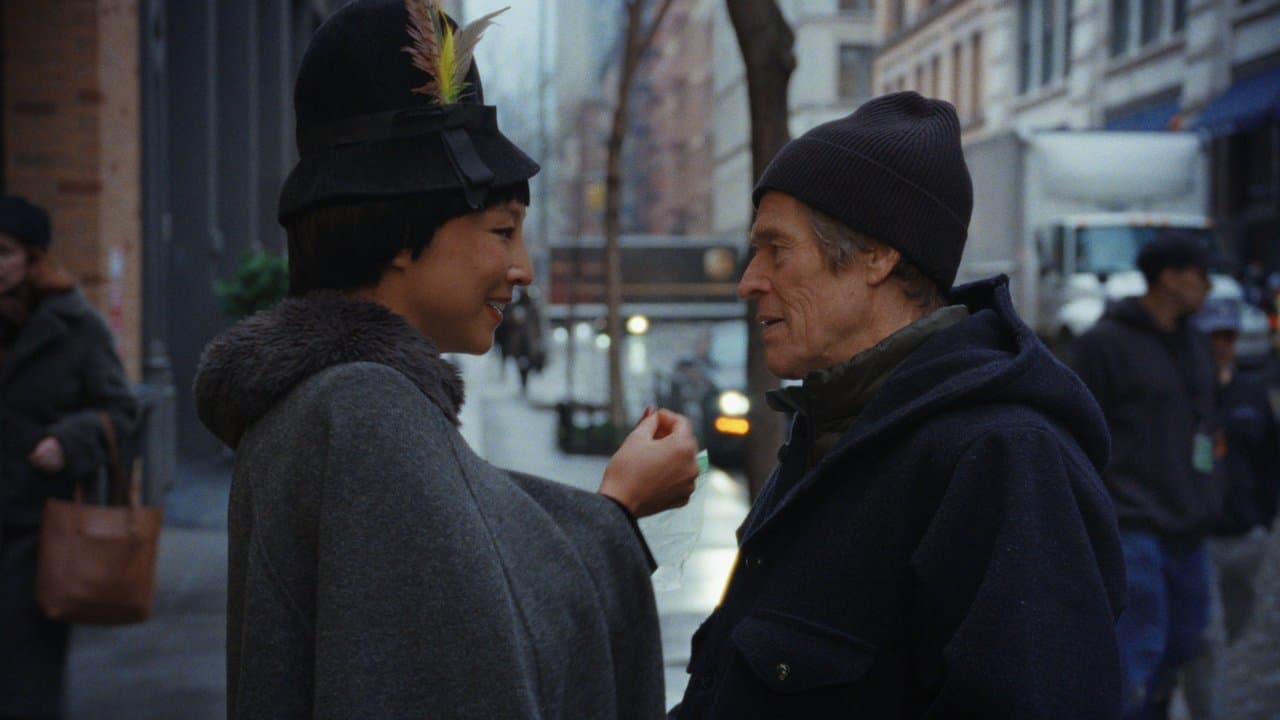
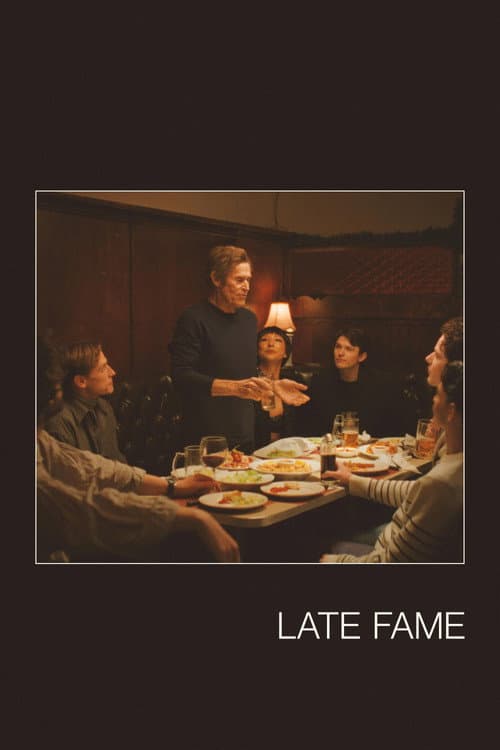
The motion picture landscape has always nurtured a peculiar romance for the overlooked maestro—the artist who toiled in obscurity only for a zealous younger generation to unearth their manuscripts from the dustbin of time. When the cinematic horizons stretch toward August 7, 2026, audiences will bear witness to this exact dramatic alchemy in Late Fame. The narrative centers on Ed Saxberger, a venerable and long-forgotten New York poet whose faded existence is suddenly upended by an eccentric circle of ambitious creative youths. As these disciples breathe new life into his dormant ambitions, the emotional architecture of the story complicates further with the arrival of Gloria, an enigmatic actress whose ethereal charm weaves through the collective psyche of the bohemian coterie. This premise does not merely offer a standard character study; it taps directly into a rich cinematic tradition of generational creative exchange, echoing timeless themes of validation, artistic rebirth, and the haunting pursuit of immortality through verse.
The Bohemian Tradition and the New York Literary Aesthetic
To fully grasp the cultural weight of Late Fame, one must examine the lineage of New York-centric artistic dramas that celebrate the gritty, intellectual underbelly of Manhattan. From the Greenwich Village poetry scenes of the mid-20th century to the cynical yet romantic loft apartments of later decades, the city has long served as a character in its own right. The film positions its protagonist, Ed Saxberger, as a relic of an era when literature carried the weight of social rebellion. The arrival of youthful admirers acts as a mirror reflecting both the glory of his past and the bitter sting of his prolonged irrelevance. In independent filmmaking, stories concerning the clash between youthful enthusiasm and seasoned disillusionment often yield profound psychological explorations. The dynamics at play invoke comparisons to classic cinematic character studies where mentor-student relationships blur the boundaries of exploitation, adoration, and mutual creative salvation.
Furthermore, the inclusion of the mysterious actress Gloria introduces a classic noir-adjacent archetype into an otherwise grounded literary drama. She is not merely a muse; she is a catalyst who disrupts the intellectual isolation in which Saxberger has comfortably resided. For Central Asian and CIS film enthusiasts who appreciate deeply psychological European and auteur-driven dramas—where character introspection frequently supersedes rapid plotting—Late Fame offers a compelling transatlantic parallel. The aesthetic of aging artists finding a second wind resonates deeply across cultures, striking a universal chord about the human desire to leave an enduring mark before the final curtain falls.
- Release Date: August 7, 2026
- Genre: Character-Driven Drama
- Primary Setting: Bohemian New York City
- Core Themes: Artistic revival, generational mentorship, and literary legacy
Anticipation, Cultural Relevance, and What Lies Ahead
As the cinematic calendar marches toward the late summer of 2026, industry watchers are keeping a close eye on how Late Fame will position itself in the awards conversation and specialty box office circuits. While blockbuster spectacles traditionally dominate the warmer months, intimate character dramas carve out a dedicated space for discerning viewers seeking intellectual stimulation. The official promotional materials have already begun sparking discourse online, drawing praise for their moody cinematography and atmospheric commitment to New York's enduring artistic subcultures. For viewers in emerging cinematic markets across the CIS, where independent American cinema maintains a devoted cult following through streaming platforms and international festivals, this project represents the kind of sophisticated storytelling that rewards patient viewing and critical dissection.
Looking forward, the success of Late Fame may well signal a broader commercial appetite for mature, slow-burn narratives about aging artists confronting their legacies in the modern digital age. As we anticipate its arrival this coming August, film lovers would do well to explore foundational works of New York independent cinema and classic poetry-themed dramas that pave the way for Saxberger's journey. Whether you are an avid follower of indie character studies or simply someone captivated by stories of unexpected redemption, mark your calendars; this cinematic voyage into the heart of bohemian rediscovery promises to spark conversations that will linger long after the final credits roll.