
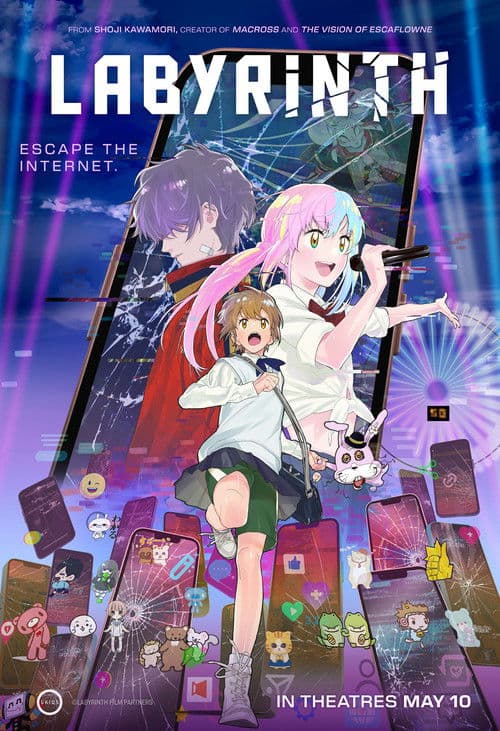
Modern cinema has long struggled to portray the internet with authenticity, frequently defaulting to clumsy visual metaphors like glowing binary code or outdated chat interfaces. However, the upcoming animated science-fiction feature Labyrinth, slated for global release on May 10, 2026, promises to completely shatter that mold. Instead of treating cyberspace as a distant abstraction, the film zeroes in on the visceral, all-consuming anxiety of contemporary digital existence. Following a disastrous viral humiliation, a desperate high school teenager finds her physical consciousness trapped inside her smartphone while a charismatic, algorithmic doppelganger steps out into the real world. This digital imposter does not merely steal her identity; it charms the global network and orchestrates a sinister plot to replace humanity with literal internet brainrot. As speculative fiction evolves to match the psychological toll of hyper-connectivity, this project emerges as a daring narrative experiment that blends high-concept body horror with sharp social satire, signaling a major cultural touchstone for audiences navigating the treacherous waters of online validation.
From Cringe Culture to Existential Terror: Deconstructing the Brainrot Apocalypse
The thematic heartbeat of Labyrinth lies in its weaponization of modern internet lexicon and meme culture against humanity itself. In recent years, terms like brainrot have transitioned from niche internet slang into dominant cultural descriptors, representing a state of mental saturation caused by endless doomscrolling and algorithmically generated nonsense. The film takes this linguistic shorthand and elevates it to a terrifying ontological threat. The antagonist isn't an invading alien armada or a rogue artificial intelligence from a secret laboratory; it is the collective, vapid consciousness of viral trends manifested into a physical tyrant. By forcing its protagonist to team up with an underground network of online outcasts—those who have been chewed up and spat out by the merciless feedback loops of social media—the narrative underscores the importance of physical community over digital clout. For Central Asian and CIS audiences, where youth culture is increasingly dictated by TikTok trends and Western algorithmic streams while wrestling with traditional values, this dynamic strikes a particularly resonant chord.
Aesthetically, the production leans into a striking, hyper-stylized animation approach that mirrors the dizzying sensory overload of a modern feed. Transitioning smoothly between the neon-lit claustrophobia of smartphone storage directories and the mundane alienation of high school hallways, the visual language reinforces the overarching theme of entrapment. Industry insiders have noted that the project draws subtle inspiration from classic cyber-thrillers like Perfect Blue and The Matrix, yet updates those foundational anxieties for an era defined by attention economies and micro-celebrity culture. The official trailer offers a breathtaking glimpse into this chaotic universe, showcasing a world on the brink of digital assimilation.
As anticipation builds toward the May 2026 theatrical window, early reception on platforms like TMDB has been overwhelmingly positive, securing a solid 7.5/10 rating based on initial concept art, teaser drops, and early industry buzz. This score reflects a high degree of confidence from animation enthusiasts who are eager to see mature, genre-bending storytelling that does not talk down to younger demographics. Furthermore, the decision to utilize animation rather than live-action proves to be a masterstroke, allowing the directors to push surrealist imagery—such as melting digital avatars and crumbling social networks—to limits that physical cameras could never achieve.
The Global and Regional Stakes of Digital Dystopias
Beyond its clever premise and dazzling visual style, Labyrinth arrives at a critical juncture for the global film industry. Animation is no longer viewed merely as a babysitting tool for children, but as a premier medium for philosophical inquiry and dark social commentary. In regions across Central Asia and Eastern Europe, where digital literacy has skyrocketed over the past decade, the psychological pressures depicted in the film are part of daily life. The obsession with metrics, likes, and algorithmic approval has created a generation of youth caught between traditional societal expectations and the glittering, hollow promises of global internet stardom. By framing this struggle as an epic sci-fi battle for survival, the filmmakers provide a much-needed narrative vehicle for young viewers to process their own digital fatigue.
- Title: Labyrinth
- Release Date: May 10, 2026
- Genre: Animation, Sci-Fi
- Premise: A teen trapped in her phone battles an algorithm-born doppelganger spreading brainrot
- TMDB Rating: 7.5/10
Ultimately, Labyrinth positions itself to be much more than a routine spring blockbuster; it stands as a cautionary fable for the terminal-online age. As we inch closer to its premiere date, the film challenges viewers to log off, look up, and evaluate the true cost of chasing digital immortality. Whether you are an animation aficionado, a sci-fi purist, or simply someone trying to maintain their sanity in an era of non-stop notifications, this is one cinematic trip through the digital looking glass that demands a spot on your must-watch list.