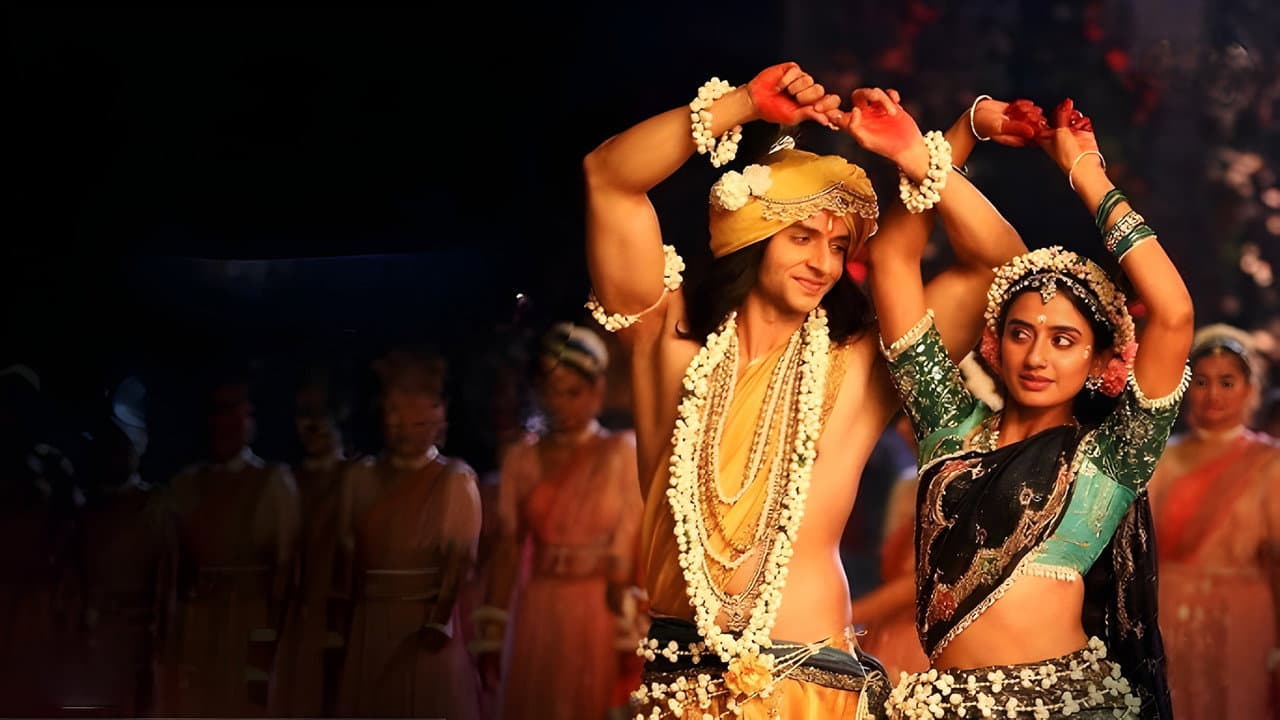
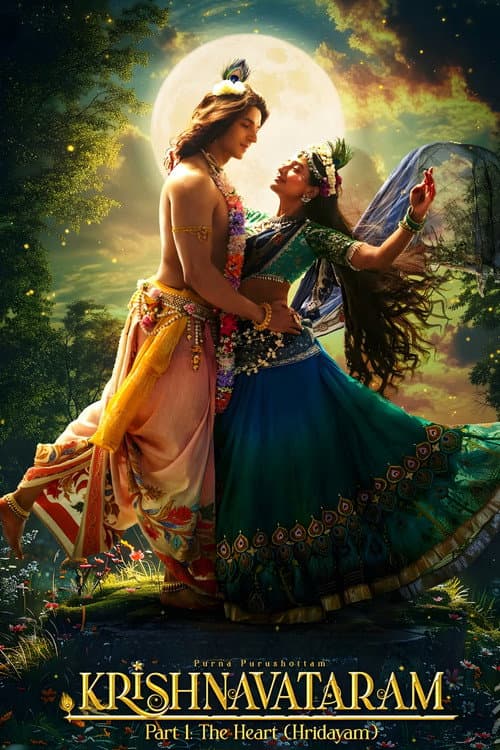
The global cinematic landscape has witnessed an extraordinary resurgence of mythological storytelling, with filmmakers increasingly turning toward ancient epics not merely as tales of divine intervention, but as complex psychological landscapes. Entering this competitive arena is Krishnavataram Part 1: The Heart (Hridayam), a sweeping cinematic endeavor that dares to humanize one of the most revered figures in Eastern theology. Rather than relying solely on supernatural spectacle, the film zeroes in on the emotional topography of Lord Krishna, charting his bittersweet departure from Radha and the solitary, momentous journey that ultimately steers him toward the existential crossroads of Kurukshetra. For international cinephiles and audiences across the CIS region—where sprawling historical dramas and epic storytelling hold a cherished place in cultural memory—this film offers a fascinating entry point into contemporary South Asian myth-making.
Deconstructing the Divine: Narrative Ambition and Character Depth
At the core of Krishnavataram Part 1 lies a deliberate creative choice: to prioritize character interiority over bombastic mythological tropes. The narrative structure divides the deity's immense arc into digestible, emotionally resonant chapters, starting with the profound melancholy of separation. In traditional lore, the parting of Krishna and Radha is often treated as a tragic metaphysical necessity; here, the screenplay treats it as a deeply human wound that informs Krishna's subsequent interactions with mortals. As he wanders from the pastoral idyll of Dwarka toward the looming political and moral crisis of the Mahabharata war, every encounter serves as a philosophical crucible. The film meticulously builds a tapestry of teachings, examining how divine wisdom is forged not in isolation, but through active engagement with human suffering, doubt, and desire.
This approach mirrors a broader global trend in prestige cinema, where myth is continuously recontextualized to address modern psychological anxieties. Just as Western cinema perpetually revisits Arthurian legends or Greek tragedies to explore themes of leadership and sacrifice, contemporary Indian cinema is utilizing its vast mythological pantheon to construct intricate character studies. The production design deliberately contrasts the lush, vibrant colors of Krishna's early life with the austere, dust-choked horizons of a changing world, visually reinforcing the internal shift from romantic love to universal duty. Directors and screenwriters involved in this project have clearly studied the mechanics of epic world-building, ensuring that the geopolitical tensions leading up to the Kurukshetra war are felt as acutely as the emotional heartbeat of the central protagonist.
Production Scale and Regional Relevance
Bringing a project of this magnitude to the silver screen requires a monumental synthesis of artistic vision, cutting-edge visual effects, and meticulous historical research. The creative team has spared no expense in recreating ancient architecture, period-accurate textiles, and sprawling landscapes that transport viewers thousands of years back in time. For audiences in Central Asia and the wider CIS region—regions with a rich tradition of epic poetry, oral storytelling, and majestic historical cinema—the release of Krishnavataram Part 1 resonates on a deeply familiar frequency. The universal themes of fate, free will, duty to society, and the personal cost of leadership transcend cultural boundaries, making the emotional journey of Krishna legible and compelling to viewers far beyond traditional markets.
- Film Title: Krishnavataram Part 1: The Heart (Hridayam)
- Core Narrative: Journey from Dwarka to Kurukshetra
- Central Theme: Love, separation, and philosophical awakening
- Format: Theatrical release across domestic and international markets
As Krishnavataram Part 1 continues its theatrical run, it sets a high bar for subsequent installments in the planned franchise. The film proves that mythological cinema can be both visually breathtaking and intellectually stimulating, offering audiences a rich tapestry of philosophy wrapped in grand cinematic entertainment. Film enthusiasts should keep a close eye on how this ambitious narrative unfolds in future chapters, especially as the plot edges closer to the inevitable clash of the Mahabharata. Whether you are a lifelong devotee of epic cinema or a newcomer curious about Eastern mythology, this cinematic journey promises to spark conversation long after the credits roll.