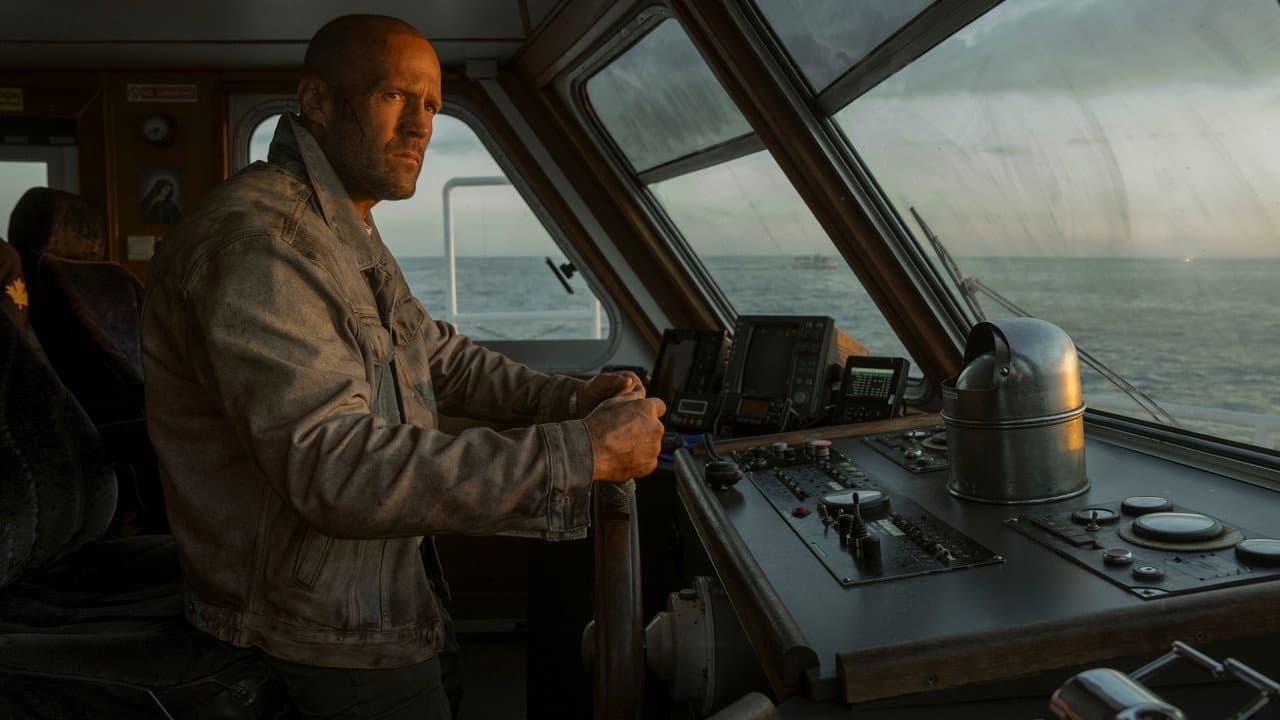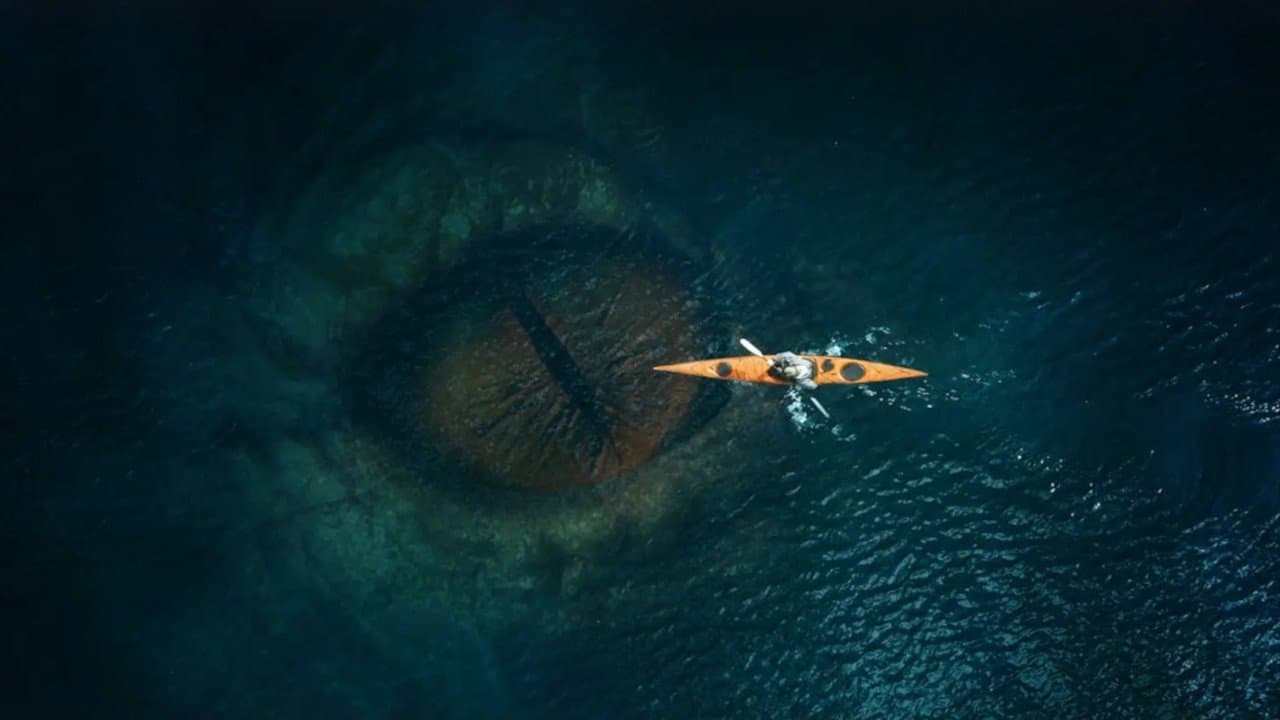
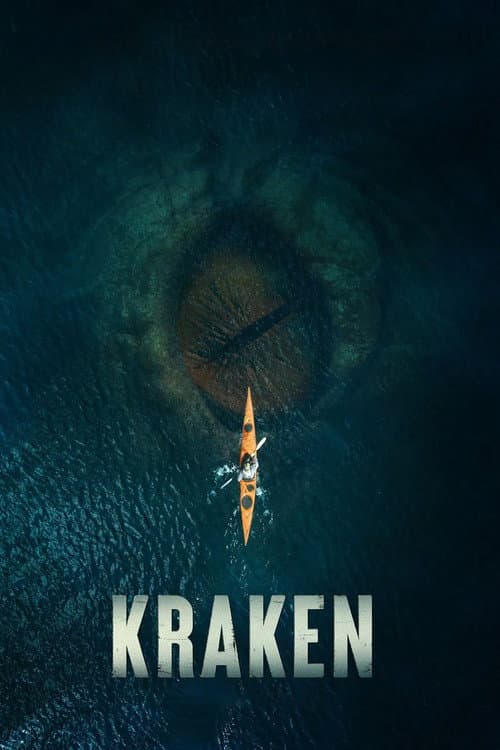
The cinematic ocean has always been a place of primal terror, a dark expanse where human technological ambition collides with ancient, incomprehensible biology. On June 12, 2026, theaters and streaming platforms will tremble as the mythical cephalopod terror takes center stage in Kraken, a genre-blending project that promises to marry high-octane action with suffocating claustrophobic horror. Following a marine biologist stationed at an isolated fish farm who stumbles upon the brutal remnants of teenage local swimmers, the narrative quickly spirals from ecological mystery into a desperate fight for survival against a predator of legendary proportions. For international film enthusiasts, the return of the giant squid archetype is more than just a nostalgic throwback; it represents the modern evolution of creature features in an era dominated by advanced visual effects and elevated genre storytelling.
The Evolution of Nautical Horror and the Legacy of Deep-Sea Monsters
To understand the cultural footprint of Kraken, one must look back at how cinema has historically portrayed the terror of the deep. Ever since the dawn of practical creature effects in Hollywood, audiences have been fascinated by the unknown depths of our oceans. From the golden age of B-movie giant octopuses terrorizing coastal towns to high-budget modern spectacles like The Meg, maritime horror relies on a universal human fear: thalassophobia, the persistent dread of deep bodies of water where humans are entirely out of their element. What separates this upcoming 2026 release from standard formulaic monster flicks is its integration of a scientific procedural framework. By centering the opening act around a marine biologist conducting field research at a commercial fish farm, the film grounds its fantastical premise in realistic ecological tension, echoing classic environmental thrillers where human interference wakes up sleeping giants.
Moreover, the choice of a Scandinavian fjord as the primary setting introduces a brilliant geographic and atmospheric contrast. Fjords are narrow, deep, and walled in by sheer cliffs, offering zero escape routes for characters trapped on the water. This topographical choice immediately elevates the tension compared to open-ocean settings, creating a cinematic cage match between man and myth. As early trailers and promotional materials suggest, the film leans heavily into atmospheric dread, utilizing cold color grading, menacing underwater acoustics, and tactical pacing that avoids revealing the monster too early in the runtime. This restraint is a hallmark of successful horror directing, keeping viewers guessing whether the gruesome deaths are the work of rogue industrial machinery, environmental toxins, or something infinitely more ancient and intelligent.
Production Scale, Genre Fusion, and CIS Market Appeal
Modern audiences demand more than just jump scares; they expect a seamless blend of genres that justifies a trip to the cinema or a premium streaming subscription. Kraken deliberately positions itself at the intersection of horror, pulse-pounding action, and investigative thriller. This multi-genre approach broadens its appeal significantly, particularly in international territories such as Central Asia and the wider CIS region, where large-scale Hollywood monster spectacles have historically enjoyed massive box office traction. Uzbek and regional moviegoers have always shown a strong appetite for high-concept genre cinema that delivers visceral thrills, impressive CGI set pieces, and high-stakes survival narratives on the big screen.
- Official Title: Kraken
- Global Release Date: June 12, 2026
- Core Genres: Horror, Action, Thriller
- Initial TMDB Rating Baseline: 5.9/10 (Pre-release metric)
- Primary Setting: Isolated research station and deep Scandinavian fjord
As the countdown to June 2026 continues, industry analysts will be watching closely to see how this ambitious creature feature performs against summer blockbuster competition. The modest pre-release rating on aggregate platforms often shifts dramatically once full theatrical cuts and high-definition streaming drops become globally available. For fans of aquatic terror, the promise of practical-digital hybrid effects and a tense script makes this one of the most anticipated genre outings of the year. Whether you are rooting for the marine biologist to survive or hoping the legendary beast claims the entire coastline, Kraken is poised to make a massive splash in the global cinematic landscape.