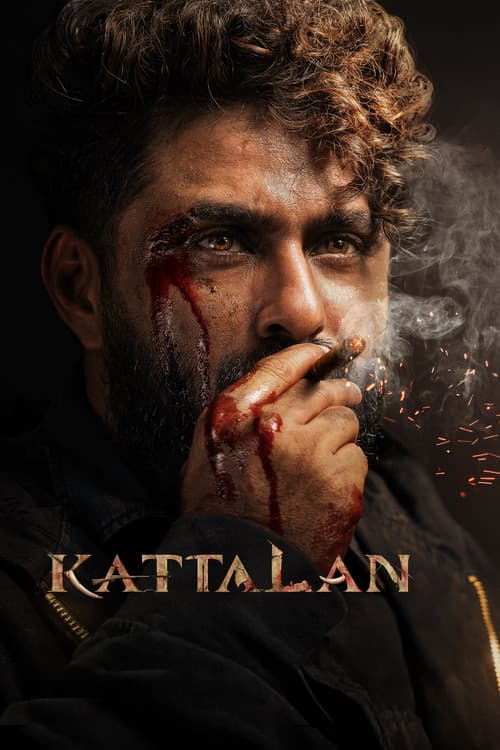
Cinematic landscapes defined by moral ambiguity and high-stakes power struggles have long captivated audiences, but few recent releases manage to hit with the raw, unrelenting force of Kattalan. Now officially playing in theaters worldwide, this sprawling crime epic plunges viewers directly into the heart of the infamous Ivory cartel war. Far from a sanitized Hollywood action flick, the film operates as a grim architectural study of ambition, corruption, and systemic collapse. Directorially driven by a relentless pacing and uncompromising grit, the narrative charts a collision course where institutional authority and underground empires blur into a single, blood-soaked arena. For film enthusiasts tracking the evolution of the modern crime thriller, Kattalan represents a fascinating return to grounded, tactile storytelling where cinematic spectacle serves character-driven dread rather than empty aesthetic distraction.
Anatomy of an Empire: The Cinematic Roots of Cartel Warfare
To fully appreciate the narrative weight of Kattalan, one must examine the lineage of modern cartel cinema. For decades, the cinematic depiction of the narcotics trade oscillated between romanticized antihero sagas and sensationalized B-movie exploitation. However, contemporary masterpieces have shifted toward sociological examinations of institutional rot, tracing how localized greed metastasizes into transnational tragedy. Kattalan borrows from this elevated tradition, echoing the atmospheric tension of Denis Villeneuve's Sicario and the sprawling structural ambition of Sergio Corbucci's classic westerns, transposed into a contemporary urban sprawl. The film's fictionalized Ivory cartel serves as a microcosm for globalized corruption, where supply chains depend entirely on psychological subjugation and absolute erasure of empathy. The production design reflects this philosophy: cold concrete safe houses, blinding desert expanses under oppressive heat, and shadowy boardroom meetings where multi-million-dollar executions are signed off with bureaucratic indifference.
What elevates Kattalan above standard genre exercises is its refusal to offer easy moral absolution. In the universe of the film, survival is not a reward for righteousness; it is merely a temporary lease granted to those adaptable enough to outmaneuver their rivals. The script carefully constructs a web of shifting alliances, double-crosses, and long-gestating vendettas that span generations. As the narrative progresses, every character is forced to shed their remaining humanity, turning the screen into a stark portrait of spiritual decay. It is a cinematic experience designed to unnerve, reminding viewers that beneath the polished veneer of global commerce lies a foundation built on violence and raw, unadulterated power.
Behind the Lens: Production Facts and Release Details
Bringing a project of this scale to the silver screen required a monumental logistical effort, filming across multiple international locations to capture the authentic desolation and grandeur demanded by the script. The creative team prioritized practical effects and on-location shooting over digital augmentation, lending a tangible, gritty weight to every firefight and tense standoff.
- Title: Kattalan
- Release Date: Currently in Theaters Worldwide
- Genre: Crime Thriller / Action Drama
- Core Themes: Cartel warfare, vengeance, systemic corruption, survival
- Distribution: Major Theatrical Run
As Kattalan continues its theatrical run, industry analysts are closely monitoring its box office trajectory, eager to see if uncompromising, adult-oriented adult dramas can still command mainstream box office dominance in an era dominated by franchise IP. For audiences seeking a cinematic jolt—one that respects their intelligence while refusing to pull its punches—this brutal saga of vengeance and control is an essential theatrical destination. Catch it on the biggest screen possible to fully absorb the sonic and visual fury of a modern crime classic in the making.