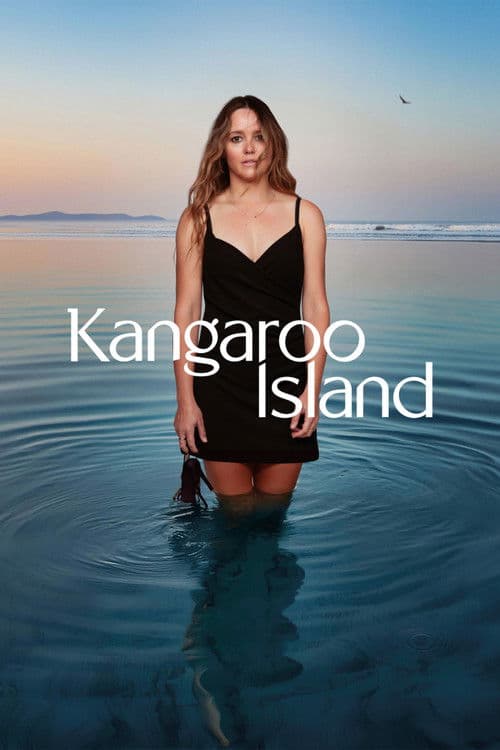
The cinematic calendar for spring 2026 is rapidly filling up with tentpole franchises and high-budget visual effects spectacles, yet independent cinema continues to carve out vital space for intimate, character-driven storytelling. Enter Kangaroo Island, a feature film scheduled for a worldwide theatrical release on April 24, 2026, which promises to ground audiences in the messy, complicated realities of familial reconciliation. At a time when moviegoers often experience blockbuster fatigue, intimate indie dramedies functioning on emotional truth rather than spectacle offer a refreshing alternative. The project positions itself as a darkly humorous yet deeply poignant exploration of generational trauma, shattered ambitions, and the magnetic pull of home, capturing the attention of arthouse aficionados and industry critics alike.
Directed with a keen eye for human vulnerability, the film follows Lou Wells, a former Hollywood hopeful whose glittering career trajectory famously derailed before it truly began. Finding herself destitute and directionless in the sprawling urban expanse of Los Angeles, she receives an unexpected lifeline: a plane ticket home courtesy of her estranged father, Rory. The destination is South Australia’s dramatic and windswept Kangaroo Island, a location whose rugged isolation acts as an effective narrative crucible. Upon arrival, the expected awkwardness of family estrangement quickly escalates into something far more chaotic when Lou and her sister Freya stumble upon a tightly guarded secret kept by their father. This narrative catalyst shifts the film from a standard prodigal-daughter reunion into a multi-layered mystery laced with razor-sharp comedic timing and raw emotional stakes.
The Cinematic Power of Isolated Landscapes
Location scouting plays an instrumental role in independent filmmaking, often elevating a standard script into an atmospheric masterpiece. South Australia’s Kangaroo Island is not merely a backdrop in this production; it functions almost as an active participant in the narrative. Known for its untamed wilderness, jagged coastal cliffs, and vast, cinematic horizons, the island mirrors the internal emotional states of the characters. When protagonists are physically removed from the safety nets of modern civilization and urban distractions, they are forced to confront their inner demons. This cinematic trope—using geographic isolation to accelerate emotional reckoning—has a rich tradition in world cinema, echoing the atmospheric landscapes found in contemporary Scandinavian noir and Australian outback dramas alike.
For international cinephiles, particularly those in the CIS and Central Asian regions who appreciate rich, moody visual storytelling, this geographic specificity holds immense appeal. Central Asian cinema, with its own profound tradition of steppe-based epics and philosophical isolation tales, shares a natural affinity with stories where nature dictates human behavior. In Kangaroo Island, the stark contrast between the bright, unforgiving Australian sun and the gloomy, unresolved secrets inside the family homestead creates a striking visual dichotomy. The filmmakers utilize natural lighting and sweeping drone cinematography to emphasize just how small these characters are against the ancient, indifferent majesty of the natural world.
Balancing Tone: The Fine Line Between Drama and Comedy
One of the most delicate tightrope walks in modern screenwriting is the dramedy genre—a classification that often alienates audiences if the tonal shifts are mishandled. Yet, when executed with precision, balancing humor and heartbreak yields the most authentic cinematic portraits of human life. Kangaroo Island embraces this duality, utilizing wit as a defense mechanism for characters who are fundamentally unequipped to process their grief and failures. Lou’s sarcastic detachment from her Hollywood past provides plenty of comedic friction against her father’s stoic, no-nonsense rural lifestyle. Humor in the face of absolute ruin is a universally recognizable coping mechanism, making these fictional characters remarkably relatable.
- Release Date: April 24, 2026
- Genres: Drama, Comedy
- Setting: Kangaroo Island, South Australia
- Core Premise: Family estrangement and hidden secrets
- Current Reception: Solid early TMDB rating of 6.7/10
As the industry looks ahead to the spring 2026 box office, films like Kangaroo Island serve as an important reminder that cinema's greatest strength lies in empathy. By focusing on small-scale interpersonal dynamics rather than global stakes, the production invites viewers to reflect on their own complicated family histories. Whether the film ultimately sweeps awards season or simply finds a devoted cult following on streaming platforms post-theatrical run, its journey from script to screen underscores the enduring vitality of independent filmmaking on a global stage.