For decades, the global animation landscape has been dominated by a predictable duopoly of hyper-polished digital aesthetics and formulaic family comedies. Yet, true cinematic magic often festers in the shadows, crafted by artisans who still mold clay, bend wire, and paint miniature worlds frame by agonizing frame. Enter I Am Frankelda, an upcoming stop-motion triumph that is steadily transforming from an acclaimed regional television experiment into an anticipated international cinematic event. Scheduled for release on June 12, 2026, this dark fantasy epic invites audiences into a meticulously handcrafted universe where 19th-century literary romance collides with the delightfully grotesque terrors of the human subconscious. As major studios increasingly rely on algorithmic trends, this project stands as a defiant monument to auteur-driven craftsmanship, proving that tactile, handmade animation possesses an emotional depth that pixels alone can rarely replicate.
The Gothic Craftsmanship of Cinema Noir Puppetry
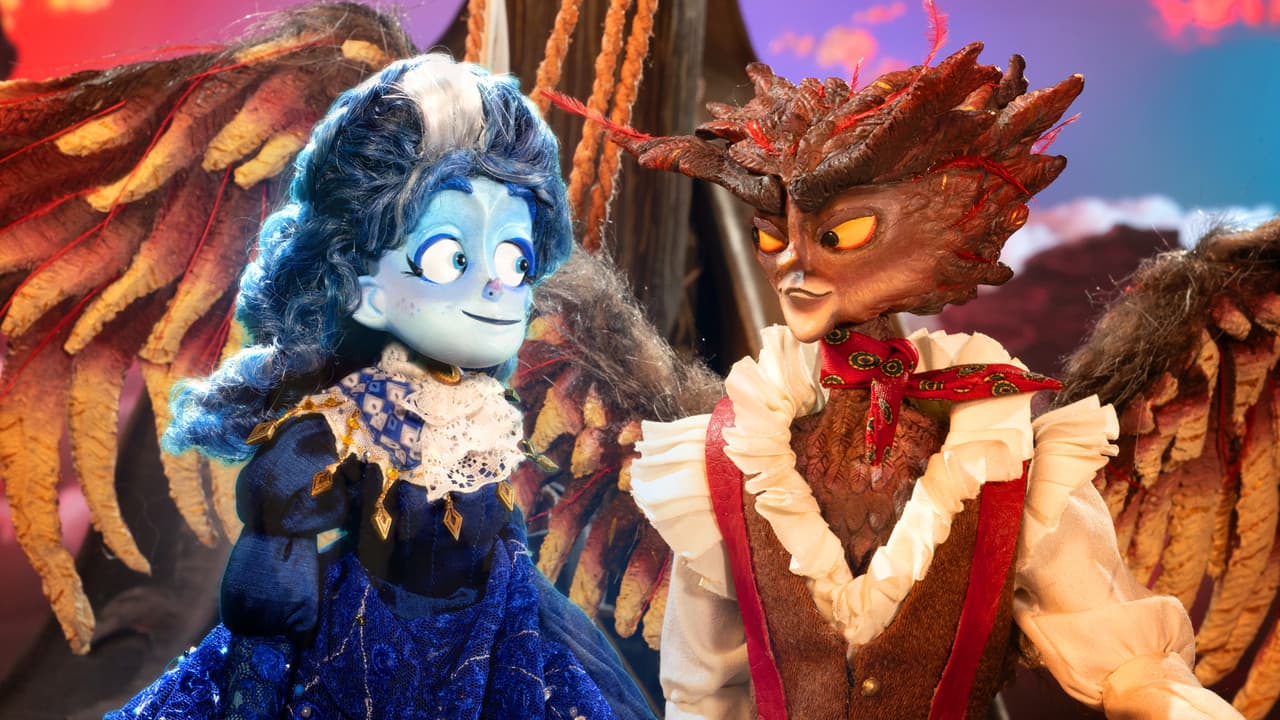
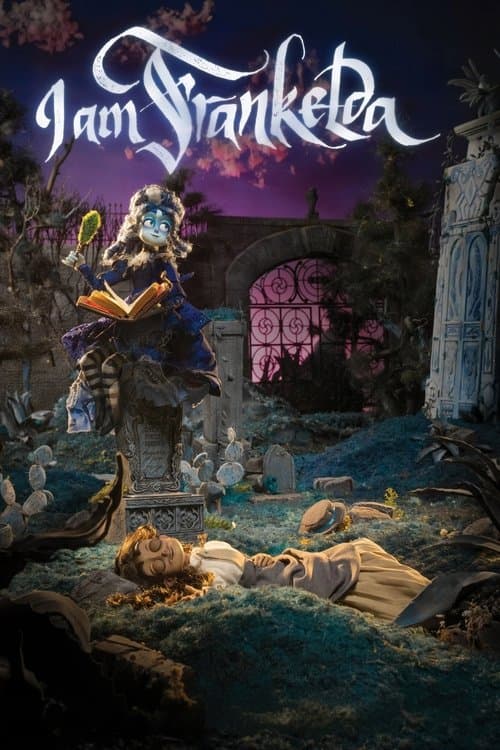
At the beating heart of this cinematic wonder is a profound reverence for the gothic tradition, filtered through a uniquely Latin American lens. The narrative follows Frankelda, a tormented yet brilliantly imaginative young writer trapped within the rigid social constraints of the nineteenth century. As a spectral entity wandering her own inner architecture, she discovers a sprawling kingdom populated by the very monsters she birthed onto paper. This ingenious meta-narrative allows the filmmakers to explore the psychology of creation, treating writing not merely as a profession, but as a dangerous, visceral pact with the supernatural. Guided by Herneval, the charismatic Prince of Spooks, Frankelda must navigate a treacherous cosmic borderland to prevent the total collapse separating the Realm of Fiction from the mundane Realm of Existence. It is a premise that echoes the literary melancholy of Mary Shelley and Edgar Allan Poe, while retaining a whimsical, visually dazzling exuberance reminiscent of Guillermo del Toro or Henry Selick.
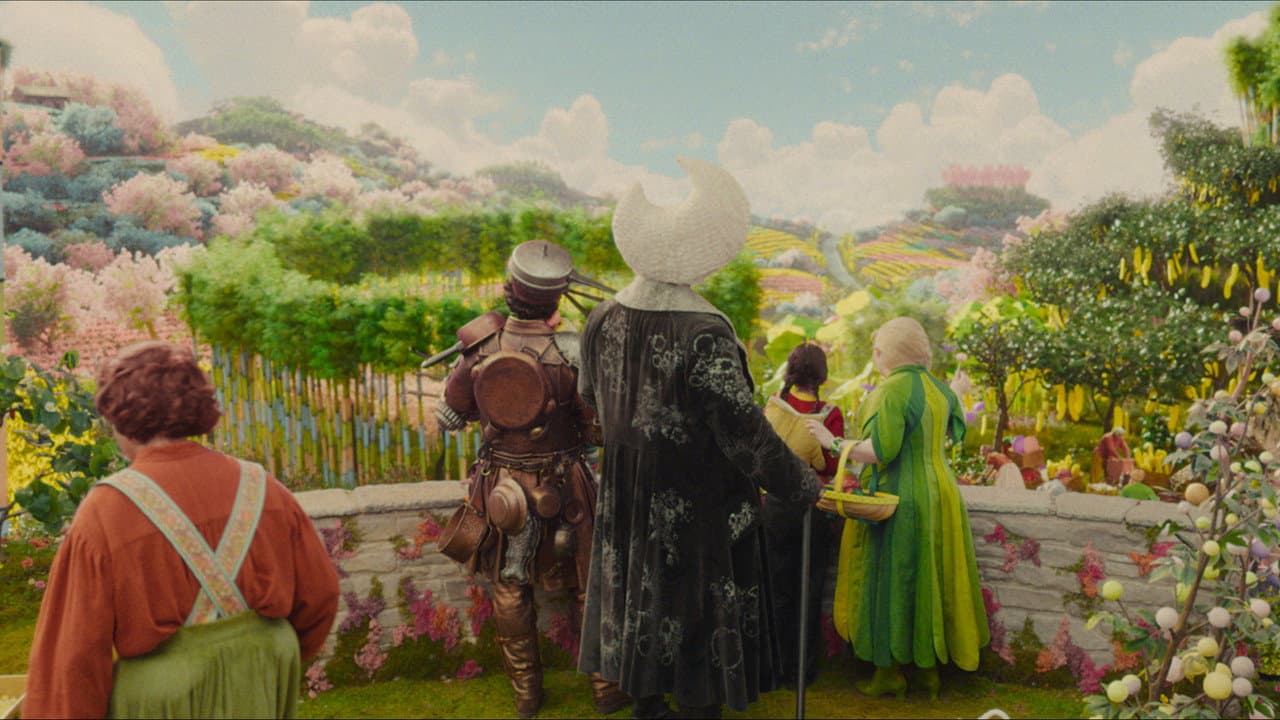
What sets this production apart in the contemporary industrial landscape is its uncompromising commitment to physical media. In an era where even stop-motion studios frequently augment their sets with digital trickery, the creators behind Frankelda have championed practical textures, woolen fabrics, expressive silicone armature heads, and miniature architectural marvels built with staggering precision. Every shadow is sculpted by real lighting rigs, and every haunting groan or rustle is captured with meticulous sonic design. This tactile authenticity has already resonated deeply with festival programmers and early test audiences, who have awarded the property exceptional preliminary scores, proving that audiences worldwide are hungry for sophisticated, darkly atmospheric storytelling that respects their intelligence rather than sanitizing every narrative edge.
Production Scale and Global Relevance
Translating a cult-favorite stop-motion concept into a grand feature-length theatrical experience requires an extraordinary convergence of logistical wizardry and artistic vision. Crafting characters that possess both grotesque anatomical proportions and nuanced emotional micro-expressions demands years of dedicated engineering. The directors and master animators have utilized cutting-edge armature technology alongside old-school puppet-making techniques, ensuring that Frankelda and her monstrous companions move with a fluid, haunting poetry. For international cinephiles and animation enthusiasts across Eastern Europe, Central Asia, and beyond, the arrival of this film signals a welcome shift toward more diverse global animation voices breaking through traditional Western distribution bottlenecks.
- Release Date: June 12, 2026
- Medium: Advanced Stop-Motion Animation
- Key Themes: Gothic Horror, Creative Struggle, Metatextual Fantasy
- Target Audience: Family audiences, animation connoisseurs, dark fantasy enthusiasts
As the cinematic calendar edges closer to June 2026, the anticipation surrounding Frankelda continues to compound. In a media ecosystem saturated with endless franchise reboots and cynical sequels, this original dark fantasy represents a rare creative gamble—one that honors the rich traditions of international horror while offering a fresh, empowering perspective on the burdens of artistic genius. For viewers eager to experience cinema that dares to dance in the dark, the doors to Frankelda's spectral kingdom are about to swing wide open.