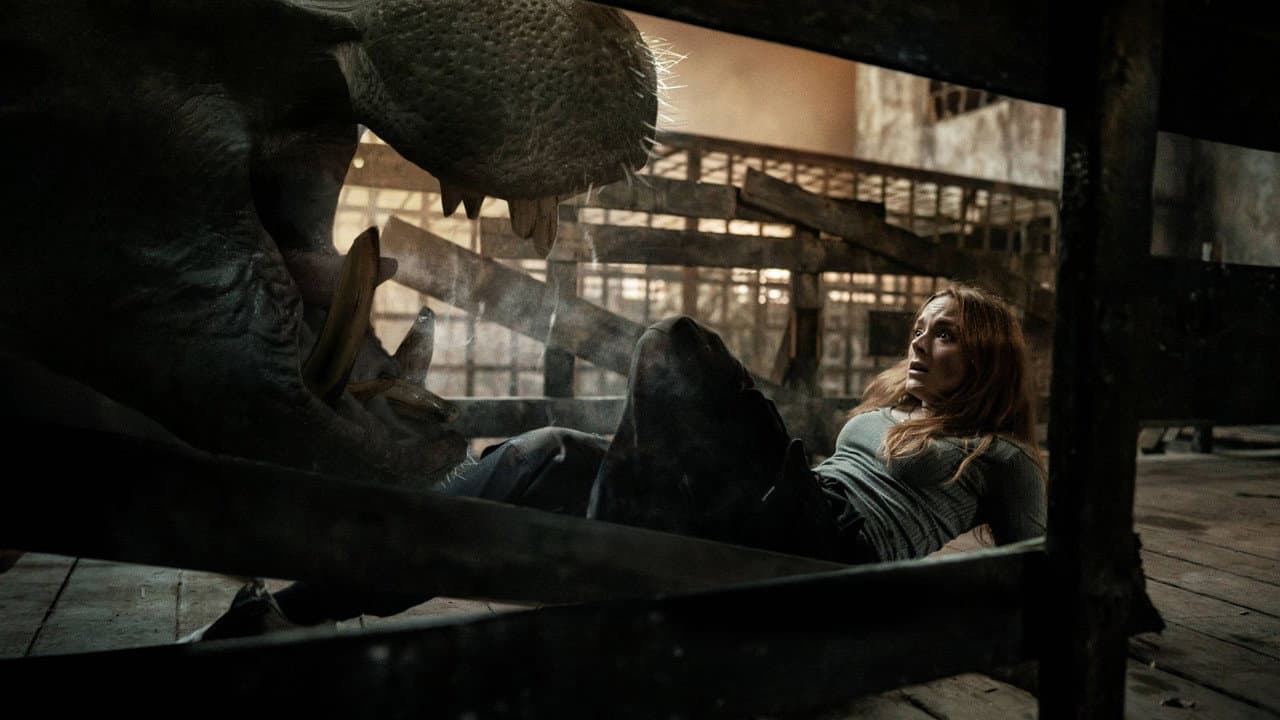
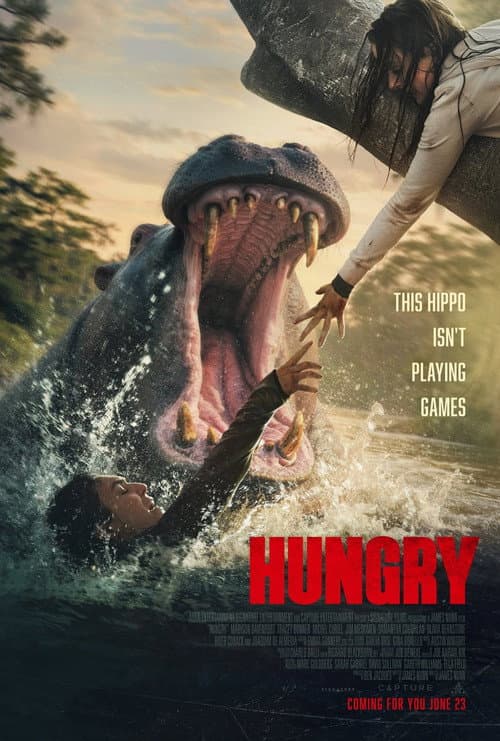
When cinema lovers think of swamp-based terror, the cinematic landscape is usually dominated by prehistoric gators, mutated anacondas, or backwoods slashers wielding rusty chainsaws. However, the upcoming survival horror project Hungry, slated for a theatrical rollout on June 23, 2026, is steering the genre into wilder, more bizarre, and surprisingly realistic territory. The plot follows a disparate group of holidaymakers who take a wrong turn during a leisure trip, plunging deep into the labyrinthine, fog-drenched swamplands of Louisiana. Instead of the expected local wildlife or human adversaries, they encounter a massive, highly aggressive hippopotamus that has somehow gone rogue in the American South. The sheer absurdity of the premise is matched only by its terrifying biological plausibility, setting the stage for a tense, claustrophobic cat-and-mouse game that harks back to classic 1970s eco-horror.
The Biology of Terror and the Eco-Horror Renaissance
To truly understand why a killer hippo film works on a psychological level, one must look past the B-movie surface and examine the actual animal. In reality, hippopotami are among the most dangerous and unpredictable mammals on Earth, responsible for hundreds of human fatalities annually in sub-Saharan Africa. They combine immense bulk and surprising agility with territorial fury, making them the ultimate tank-like predator of river ecosystems. By transplanting this African megafauna into the humid, murky backdrop of Louisiana bayous—a fictional yet plausible nod to real-world invasive species debates—Hungry taps into a very specific brand of modern eco-horror. Today's audiences are increasingly fatigued by CGI-heavy superhero spectacles and prefer grounded, visceral struggles against forces of nature that feel tangible. This film arrives at a time when genre enthusiasts are hungry for practical effects, palpable tension, and narratives where human hubris clashes directly with the indifferent brutality of the wild.
The creative team behind the project has focused heavily on creating an oppressive atmosphere rather than relying solely on jump scares. The Louisiana swamplands function almost as an additional character in the narrative, choking out light, hiding the creature beneath murky water, and trapping the protagonists on sinking mudbanks and rotting boardwalks. This spatial claustrophobia elevates the material above standard monster-of-the-week tropes. Furthermore, the film reflects a broader industry trend where mid-budget horror acts as a reliable box-office anchor. Studios have realized that audiences crave high-concept genre pieces that do not require a two-hundred-million-dollar budget to deliver thrills. By anchoring the terror in a recognizable, albeit heightened, biological threat, the production aims to deliver the same breathless pacing that made Spielberg's classic shark masterpiece a timeless benchmark.
Production Details and What to Expect This Summer
As the countdown to its mid-summer premiere begins, film critics and horror aficionados are closely monitoring how the CGI and practical animatronics will blend to bring the titular beast to life. Bringing a massive mammal through chest-deep water while maintaining suspense requires immaculate sound design, precise editing, and restrained creature reveals—rules established by cinematic history that many modern creature features unfortunately forget. For international markets, including film enthusiasts across Eastern Europe and Central Asia who have a long-standing appreciation for Hollywood genre cinema, Hungry represents the quintessential popcorn movie experience for the summer season.
- Release Date: June 23, 2026
- Genre: Thriller, Horror
- Setting: Louisiana Swamplands, USA
- Core Premise: Survival against an invasive, aggressive hippopotamus
Ultimately, Hungry is poised to be a fascinating litmus test for how modern audiences react to unconventional animal antagonists. If the execution matches the ambition of its premise, we might just witness the birth of a new cult classic that forever changes how viewers look at seemingly docile zoo animals and murky riverbanks. As we approach the release date, genre fans should keep their eyes peeled for full-length trailers and behind-the-scenes featurettes detailing how the production brought its colossal star to roaring life.