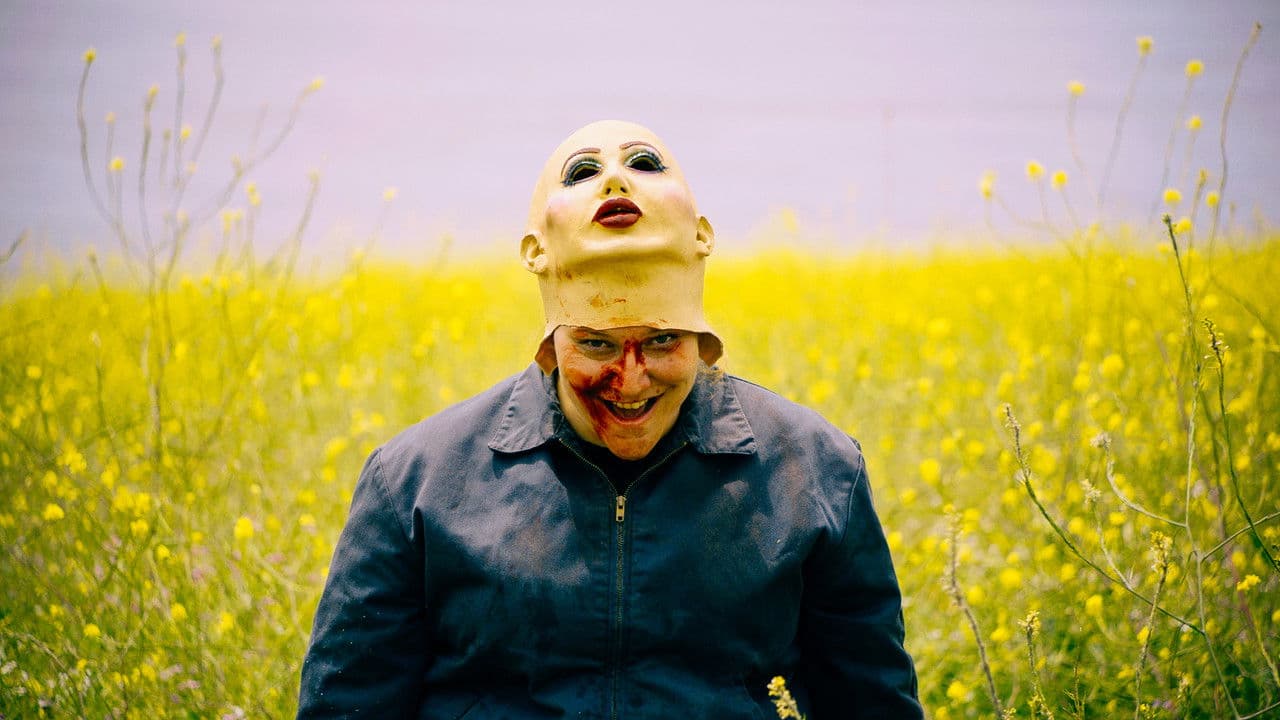
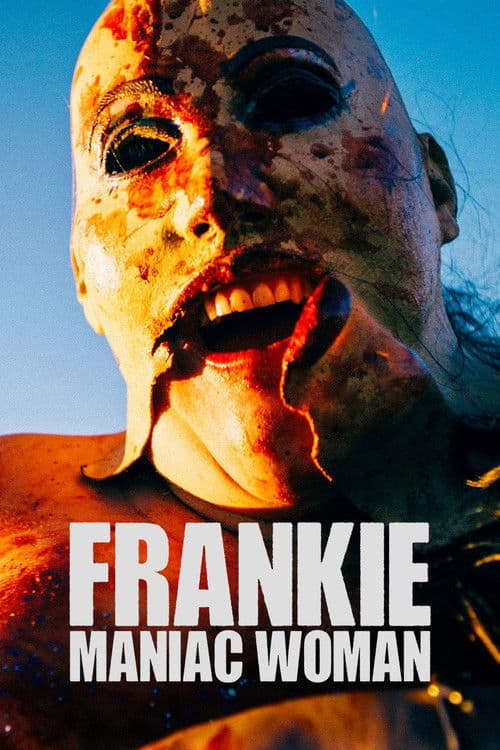
The intersection of the Los Angeles music industry and visceral cinematic violence has always yielded fascinating results, but the upcoming spring 2026 release promises a particularly sharp-edged critique. Slated to hit screens on April 24, 2026, the darkly comedic horror feature focuses on an aspiring singer-songwriter whose psyche cracks under the relentless pressure of a superficial corporate machine. Rather than offering a standard revenge thriller, the project leans heavily into the tropes of psychological torment, exploring how systemic toxicity and aesthetic obsession can transform an ordinary artist into a relentless force of carnage. For global cinephiles and genre enthusiasts, this pitch evokes the spirit of elevated social horror that has dominated independent cinema over the past decade, merging visceral thrills with biting cultural commentary.
Deconstructing the Toxic Glamour of Los Angeles
For decades, Hollywood and the greater Los Angeles entertainment ecosystem have marketed the narrative of the struggling artist finding ultimate redemption through sheer talent and perseverance. However, contemporary filmmakers are increasingly interested in unmasking the darker, more predatory underbelly of these creative hubs. The narrative framework here tackles heavy thematic pillars: childhood trauma, pervasive internalized misogyny, and the vicious cycle of fat shaming that remains deeply entrenched within major label boardrooms and talent agencies. By channeling these abstract psychological burdens into tangible, albeit bloody, acts of retribution, the film joins a growing lineage of feminist horror projects that weaponize trauma against societal oppressors.
This approach mirrors the tonal shifts seen in recent genre milestones like Coralie Fargeat’s The Substance or Emerald Fennell’s Promising Young Woman, where female rage is externalized through stylized, provocative violence. The music industry, with its hyper-fixation on youth, marketability, and physical perfection, serves as the ultimate backdrop for this descent. When the protagonist finally snaps, the resulting violence is framed not merely as mindless slaughter, but as a distorted, chaotic reclamation of agency within a system designed to silence and commodify female bodies.
Production Context and What to Expect at the Box Office
As the April 24, 2026 release date approaches, industry analysts are keeping a close eye on how counter-programming of this nature will perform against major spring blockbusters. Independent horror-comedies have repeatedly proven to be high-yield investments for studios willing to back audacious, boundary-pushing concepts. By leveraging dark humor to diffuse the grim realities of exploitation, the filmmakers hope to capture both the Gen-Z demographic hungry for transgressive narratives and traditional horror fans looking for fresh monster archetypes that reflect modern societal anxieties.
- Release Date: April 24, 2026
- Primary Genres: Horror, Dark Comedy
- Central Themes: Industry Fat Shaming, Internalized Misogyny, Childhood Trauma
- Target Audience: Fans of satirical social horror and psychological slashers
Ultimately, Frankie, Maniac Woman stands as a fascinating barometer for contemporary audience appetites. As viewers across the globe—including emerging markets in Central Asia and the wider CIS region, where Western pop culture and its beauty standards exert a profound cultural influence—continue to embrace complex, anti-hero-driven narratives, this picture could strike a universal chord. Whether it succeeds in balancing its ambitious socio-critical aims with effective genre thrills will determine its legacy when it arrives in theaters next spring.