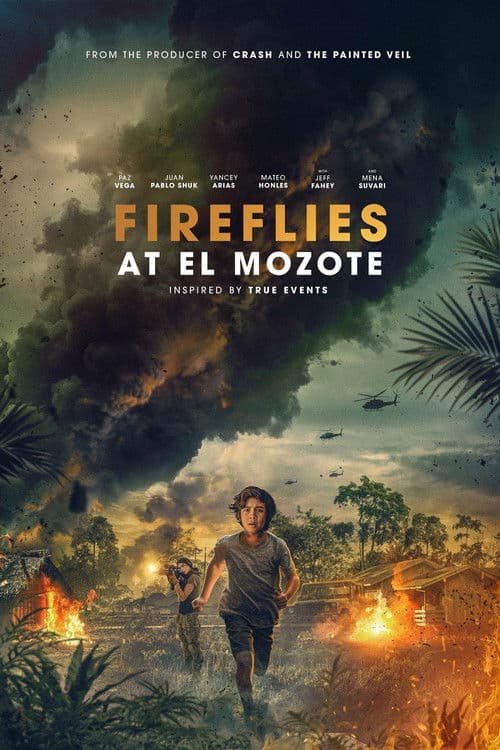
Historical filmmaking has always walked a tightrope between honoring the trauma of the past and providing gripping entertainment for modern audiences. When a project tackles events as deeply harrowing as the Salvadoran Civil War, the stakes for cinematic authenticity and emotional resonance are raised exponentially. Set against the geopolitical chessboard of the 1980s Cold War, the upcoming feature film Fireflies at El Mozote aims to drag a forgotten massacre out of the shadows of history and onto the global cinema stage. With its sights set on an April 17, 2026 theatrical release, this action-packed historical drama is positioning itself as both a harrowing war epic and a testament to the dangerous pursuit of truth.
Unearthing History Through the Lens of Guerrilla Radio
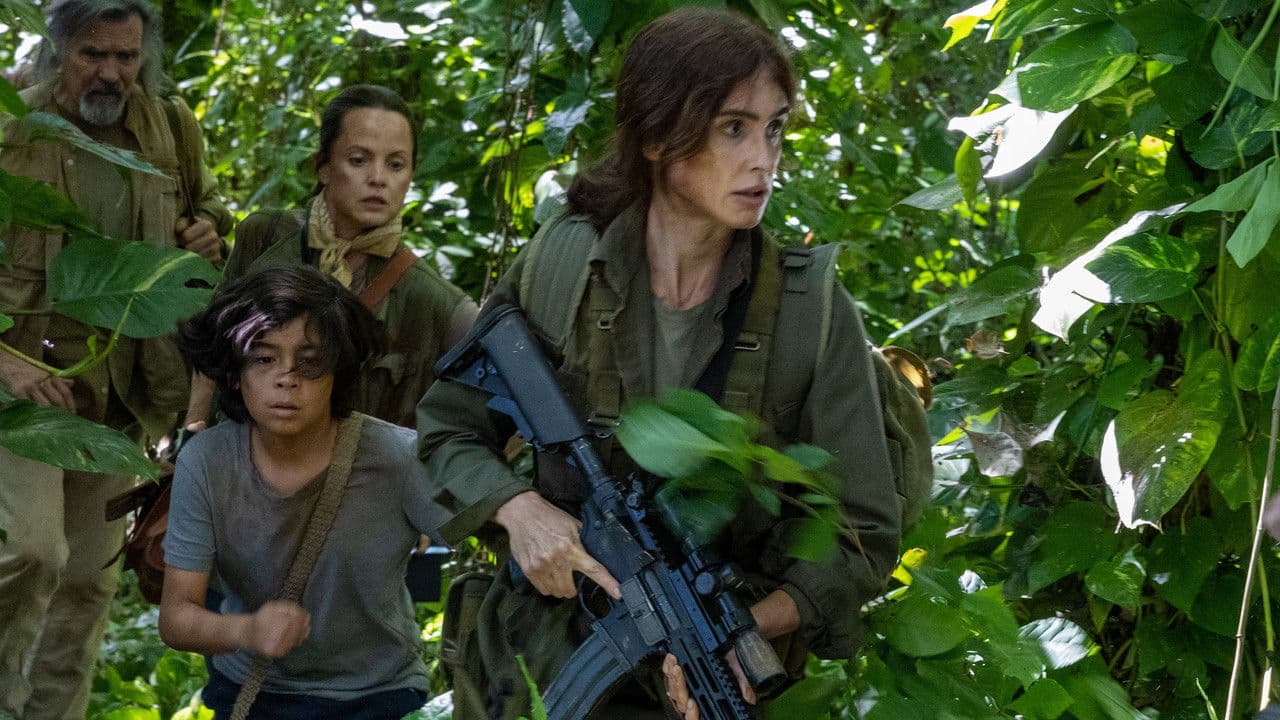
The narrative framework of Fireflies at El Mozote relies heavily on the tense atmosphere of 1980s El Salvador, where a brutal military regime backed by foreign superpowers engaged in a merciless campaign against leftist guerrilla factions. Rather than focusing solely on traditional battlefield combat, the film explores the clandestine world of underground resistance broadcasting. In an era before the internet, independent radio networks were literal lifelines and target practice for government death squads. Insurgents utilized these hidden transmitters to broadcast uncensored news, coordinate defense, and appeal to international human rights observers. This guerrilla media angle introduces a unique thriller dynamic to the war genre, blending the high-stakes espionage of investigative reporting with the gritty survival mechanics of asymmetric warfare.
Central to this cinematic undertaking is the classic dramatic trope of the foreign observer—in this case, an intrepid American journalist who risks everything to corroborate accounts of state-sponsored terror. While Hollywood has often leaned heavily onto the white savior complex in foreign-set political dramas, contemporary audiences and critics are increasingly demanding nuanced portrayals where local voices drive the narrative agency. The filmmakers face the formidable challenge of balancing the external perspective of the foreign reporter with the visceral, lived experiences of Salvadoran freedom fighters and civilians. Success will depend on whether the screenplay treats the historical atrocities with the solemn gravity they demand, avoiding the temptation to turn real human suffering into a generic Hollywood action-adventure thriller.
Production Scale and Global Cinematic Context
Bringing a conflict of this magnitude to the silver screen requires meticulous production design, exhaustive historical research, and a cast capable of conveying profound psychological strain. The 1980s Central American conflicts are rarely explored in mainstream Western cinema, making this release a significant anomaly in a cinematic landscape dominated by superhero franchises and domestic historical dramas. For international cinephiles, including audiences across Eastern Europe and Central Asia who lived through their own turbulent eras of political transition and state censorship, the themes of clandestine communication and fighting systemic oppression will likely resonate on a deeply personal level.
- Release Date: April 17, 2026
- Genres: Action, Drama, History, War
- Central Theme: Underground journalism and resistance during the Salvadoran Civil War
- Key Dynamic: Collaboration between local leftist guerrillas and a foreign journalist
As the April 2026 release date draws closer, industry watchers will be closely monitoring how distributors market a film that combines intense action sequences with profound historical trauma. In an era where streaming algorithms frequently favor escapism, ambitious historical war epics like Fireflies at El Mozote serve as vital reminders of cinema's power to bear witness. Whether the film ultimately achieves the delicate balance between commercial action appeal and respectful historical drama remains to be seen, but its mere existence ensures that the victims of El Mozote will not be easily forgotten by a new generation of global moviegoers.