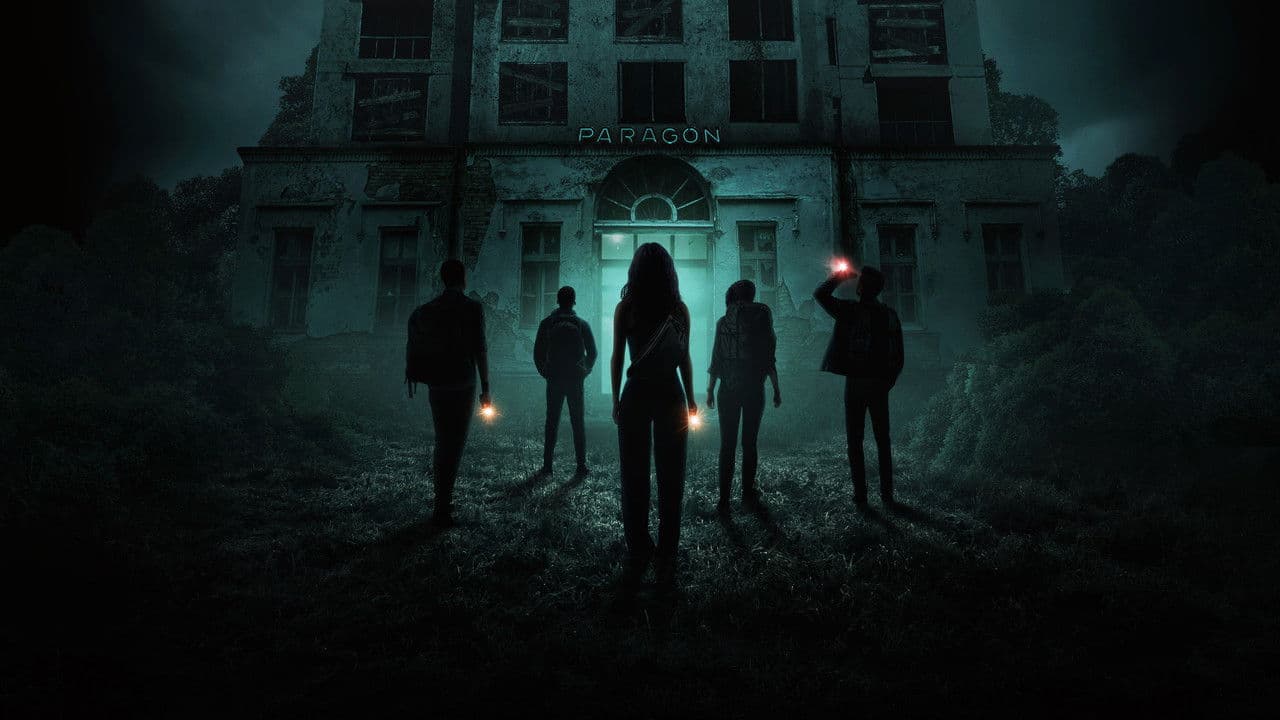
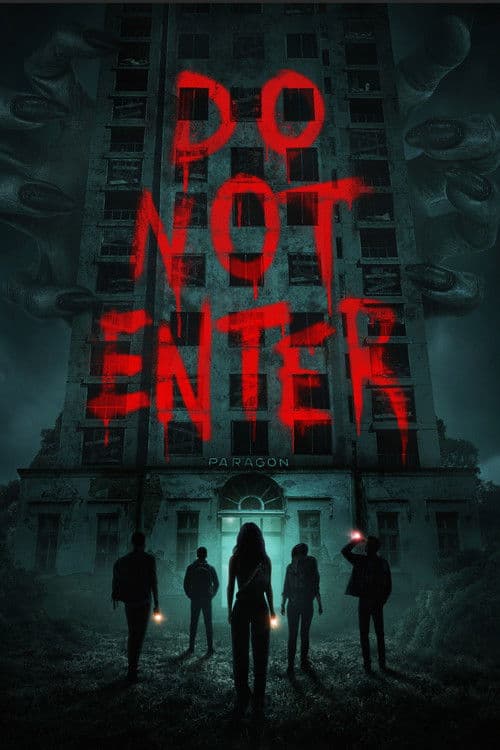
For decades, horror cinema has relied on a reliable formula: a group of curious youths breach a forbidden perimeter, ignore every warning sign, and awaken something ancient and bloodthirsty. Yet, contemporary genre filmmakers are constantly tasked with subverting these time-tested tropes to appease a generation raised on true-crime documentaries and high-concept streaming thrillers. Enter Do Not Enter, a theatrical release that lands squarely at the intersection of urban exploration (urbex) culture, supernatural terror, and classic pulp treasure hunting. As the film makes its way into theaters globally, it invites audiences into the decaying corridors of a forgotten architectural behemoth, where the living and the dead hold competing claims to a legendary lost fortune.
Deconstructing the Urbex Horror Subgenre and Rivalry Tropes
The core narrative engine of Do Not Enter relies on a double jeopardy plot structure. Not only must our young protagonists navigate the claustrophobic corridors of a crumbling, labyrinthine hotel haunted by a malevolent entity, but they must also outmaneuver a ruthless rival faction hunting for the exact same mythical hoard. This dynamic shifts the film away from a straightforward slasher or ghost story into something resembling a gritty, nocturnal expedition. Urbex culture has exploded in popularity across digital platforms over the last decade, with creators documenting forbidden access to Soviet-era sanitariums, abandoned industrial complexes, and hollowed-out tourist resorts. Filmmakers have wisely tapped into this real-world fascination with derelict spaces, weaponizing the inherent creepiness of peeling wallpaper, rusted elevator shafts, and echoing darkness.
What elevates this premise beyond standard B-movie fodder is the psychological friction between the two rival search parties. The introduction of human antagonists who are just as desperate, well-armed, and morally compromised as the supernatural entity creates a multi-layered conflict. Characters cannot simply focus on evading ghostly manifestations; they must constantly look over their shoulders for trapdoors, ambushes, and double-crosses orchestrated by their living competitors. For regional audiences across Central Asia and the wider CIS territory—where magnificent modernist architectural ruins from the past century often dot the landscape—this aesthetic of decay and rediscovery holds a distinct, poetic melancholy that enhances the viewing experience.
Production Context, Cast Dynamics, and Theatrical Relevance
Behind the scenes, Do Not Enter represents a strategic shift toward mid-budget genre cinema that relies on practical atmosphere, atmospheric lighting, and tight pacing rather than bloated CGI spectacles. The ensemble cast features a mix of rising indie talent and seasoned character actors who ground the high-concept premise in genuine emotional stakes. Rather than portraying invincible action heroes, the explorers are depicted as deeply flawed individuals whose internal rivalries and fears fracture their cohesion the moment the supernatural pressure intensifies. This focus on interpersonal breakdown is a hallmark of enduring psychological horror.
- Genre: Supernatural Horror / Adventure Thriller
- Core Themes: Urban exploration, greed, architectural decay, survival
- Distribution: Theatrical Release
- Target Audience: Fans of high-concept genre mashups and atmospheric thrillers
As the film establishes its footprint in cinemas, its reception will likely serve as a barometer for audience appetite for original, non-franchise horror-adventures. In a theatrical landscape frequently dominated by superhero sequels and legacy reboots, mid-budget genre pieces that dare to combine disparate narrative traditions deserve serious attention. Whether you are catching it on the big screen for its immersive sound design or anticipating its subsequent digital rollout, Do Not Enter delivers a frantic, pulse-pounding descent into the unknown that challenges both the living and the dead.